How to Remove Stains from Carpet Using Pro Extraction Methods
Learn how to remove stains from carpet using professional chemical extraction. Master pH balancing, dwell times, and spot-treatment application procedures.
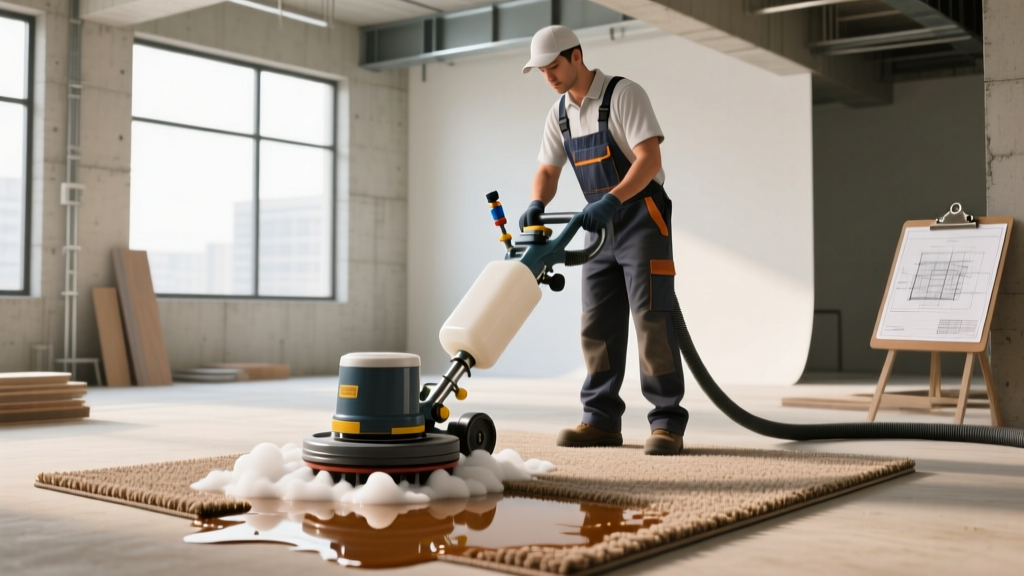
The Chemistry of Carpet Stains: Why Mechanical Scrubbing Fails
Understanding how to remove stains from carpet requires abandoning the instinct to scrub. Mechanical agitation on modern carpet fibers—particularly nylon 6,6 and triexta—causes permanent fuzzing, fraying, and distortion of the yarn twist. Stain removal is fundamentally a chemical application and extraction procedure, not a mechanical one.
Carpet fibers possess distinct chemical tolerances. For instance, synthetic nylon can withstand alkaline cleaners up to a pH of 10.5, whereas natural wool fibers will suffer severe cuticle damage and color bleeding if exposed to solutions exceeding a pH of 8.5. Furthermore, olefin (polypropylene) fibers are hydrophobic but highly oleophilic, meaning they repel water-based stains but aggressively absorb oil-based compounds, requiring specific solvent-based pre-sprays rather than standard aqueous detergents.
Stain Identification Matrix and Chemical Pairings
Before applying any extraction solution, you must identify the stain's chemical origin to select the correct pH and solvent base. Applying an alkaline cleaner to a tannin stain (like coffee or red wine) will permanently set the dye into the fiber matrix.
| Stain Category | Common Sources | Required Chemistry | Target pH Range | Recommended Agent Type |
|---|---|---|---|---|
| Protein / Organic | Blood, vomit, dairy, egg | Mild Alkaline | 8.0 - 9.5 | Enzyme-based digesters |
| Tannin / Dye | Coffee, tea, red wine, berries | Mild Acidic | 3.0 - 5.0 | Oxidizing agents (hydrogen peroxide) |
| Lipid / Oil | Grease, makeup, butter, motor oil | Heavy Alkaline / Solvent | 10.0 - 11.5 | Citrus-based solvents, emulsifiers |
| Synthetic / Polymer | Latex paint, nail polish, glue | Solvent | N/A (Neutral) | VOC-compliant gel solvents |
Step-by-Step Application and Extraction Procedure
Professional extraction relies on a precise sequence of chemical application, dwell time, and thermal rinsing. Follow this protocol to ensure complete soil suspension and removal without leaving sticky residues that attract future dirt.
Phase 1: Dry Soil Extraction and Pre-Conditioning
- Dry Vacuuming: Extract all loose particulate matter using a HEPA-filtered upright vacuum. Up to 79% of carpet soil is dry particulate; failing to remove it first creates a mud slurry during wet extraction.
- Pre-Spray Application: Apply an alkaline pre-conditioner (such as Bridgepoint Axiom or a comparable professional emulsifier) using a pump-up sprayer. Apply at a rate of 1 ounce per square foot.
- Dwell Time: Allow the chemistry to dwell for 10 to 15 minutes. Never allow the pre-spray to dry on the fiber. The chemical needs time to break the electrostatic bond between the soil and the fiber.
- Light Agitation: Use a soft-bristled carpet brush or a cylindrical counter-rotating brush (CRB) to gently work the emulsifier into the base of the tuft. Do not scrub aggressively.
Phase 2: Thermal Extraction and Rinsing
According to guidelines published by the IICRC, hot water extraction is the most effective method for flushing suspended soils. Set your portable extractor's inline heater to 180°F–200°F for synthetic carpets (nylon, polyester, triexta). For wool, restrict the water temperature to a maximum of 150°F to prevent shrinkage and browning.
- Use an acidic rinse agent (pH 3.5-4.5) in the extractor's solution tank. This neutralizes the alkaline pre-spray, preventing rapid re-soiling and leaving the carpet soft.
- Apply the extraction wand with overlapping, slow strokes. Depress the vacuum trigger only on the backward pull to maximize water recovery.
- Aim for a recovery rate of at least 85%. If the carpet feels spongy after a pass, perform a dry stroke (vacuum only, no water) to extract excess moisture.
Over-wetting is the most common application failure. If moisture penetrates the secondary backing and remains trapped for more than 24 hours, the latex adhesive binding the carpet layers will degrade, causing delamination. Furthermore, prolonged dampness violates Carpet and Rug Institute maintenance standards and creates an ideal environment for microbial growth.
Troubleshooting Application Failures: Wicking and Browning
Even with perfect extraction technique, specific edge cases can cause stains to reappear 24 to 48 hours after cleaning. Understanding the physics of capillary action is critical for resolving these issues.
The Wicking Effect
When a spill penetrates past the carpet face yarn into the underlying pad, surface extraction only cleans the top third of the stain. As the carpet dries, moisture evaporates from the surface, creating a capillary draw that pulls the remaining stain from the pad up to the fiber tips. This is known as wicking.
The Fix: Immediately after extraction, apply a specialized encapsulation polymer (such as Bridgepoint Encap) directly to the spot. As the polymer dries, it crystallizes around the residual soil, blocking the capillary pathway. Once dry, vacuum the crystallized residue.
Cellulosic Browning
If your carpet features a natural jute backing, over-wetting will cause the jute to release lignins and tannins. These brown compounds travel up the synthetic face yarns via wicking, leaving distinct brown rings or patches.
The Fix: Apply a dedicated browning treatment containing sodium bisulfite or a mild acid reducer. Mist the surface lightly, do not soak, and place a weighted, absorbent cotton drying pad over the area to force the moisture to evaporate laterally into the pad rather than vertically through the fiber.
Post-Extraction Drying Protocols
The application procedure is not complete until the carpet is entirely dry. Industry standards dictate that carpet should be dry within 6 to 12 hours post-extraction. To achieve this in modern, highly sealed homes with restricted HVAC airflow, implement the following drying matrix:
- Air Movement: Deploy high-velocity axial air movers (minimum 1500 CFM) positioned at a 45-degree angle to the carpet surface, creating a boundary layer of dry air.
- Dehumidification: Use a Low Grain Refrigerant (LGR) dehumidifier capable of removing at least 15 pints of water per day at AHAM conditions (80°F, 60% RH) to lower the ambient vapor pressure.
- Temperature Control: Maintain the ambient room temperature between 72°F and 78°F. Temperatures exceeding 85°F can cause synthetic fibers to lose their heat-set memory, resulting in permanent texture distortion.
Mastering how to remove stains from carpet is less about aggressive scrubbing and more about precise chemical application, thermal management, and controlled moisture extraction. By respecting the pH tolerances of your specific fiber type and strictly managing dwell times and recovery rates, you can achieve professional-grade restoration without compromising the structural integrity of the flooring.