Weathered Wood Shingles: Matching Climates, Pitches, and Home Styles
Discover if weathered wood shingles fit your project. We analyze climate compatibility, minimum roof pitches, architectural styles, and 2026 costs.
The Core Appeal: Why Specify Weathered Wood?
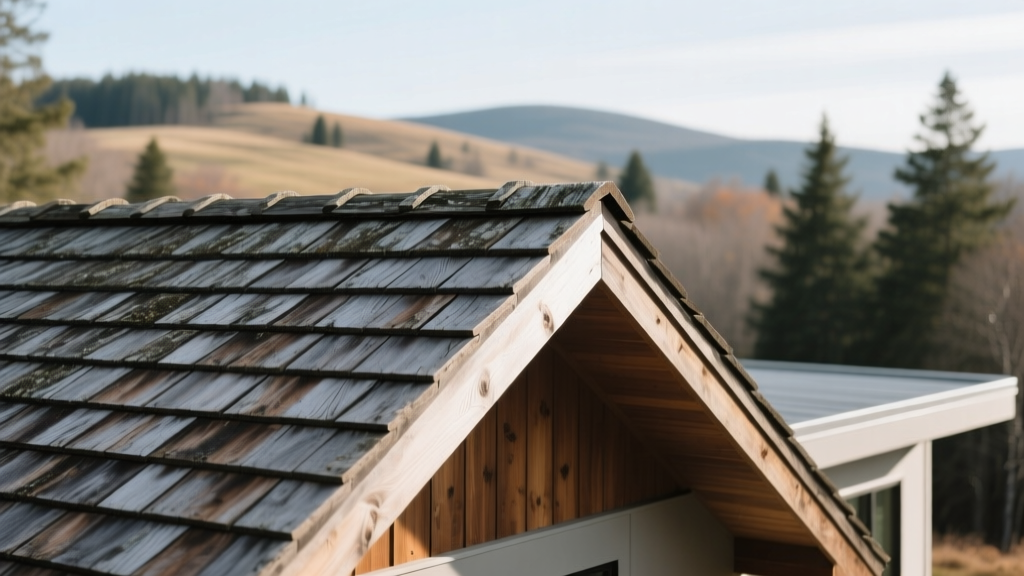
Weathered wood shingles—specifically those milled from Western Red Cedar, Alaskan Yellow Cedar, or Redwood—offer a distinct architectural texture that synthetic alternatives cannot replicate. The 'weathered' aesthetic refers to the natural silver-gray patina that develops when the wood's lignin breaks down under ultraviolet light and moisture exposure. However, specifying this material requires rigorous scenario matching. A wood roof that thrives on a coastal bluff in Maine will rapidly fail if installed on a low-pitch roof in a humid subtropical climate. This guide provides the technical parameters for matching weathered wood shingles to the correct environmental and structural scenarios in 2026.
Climate Compatibility Matrix
Wood is a hygroscopic material; it absorbs and releases moisture based on ambient humidity. The longevity of a weathered cedar roof (typically 25 to 40 years) is entirely dependent on how quickly it can dry after a rain event. Below is a climate-scenario matrix to determine application viability.
| Climate Zone | Application Fit | Primary Risk Factors | Required Mitigation |
|---|---|---|---|
| Coastal / Marine | Excellent | Salt spray corrosion (fasteners) | Use 316 stainless steel ring-shank nails. |
| Pacific Northwest (High Rain) | Good | Moss accumulation, fungal decay | Mandatory cedar breather mat; zinc ridge flashing. |
| Humid Subtropical (Deep South) | Poor | Constant high humidity prevents drying | Avoid entirely; specify synthetic shake alternatives. |
| Arid / Southwest | Fair | Extreme UV degrades lignin; thermal splitting | Apply UV-inhibiting bleaching oil; increase roof pitch. |
| Alpine / Heavy Snow | Good | Ice damming, prolonged snow load moisture | Install ice and water shield at eaves; ensure attic ventilation. |
Architectural Scenario Matching
Weathered wood shingles carry heavy historical and regional connotations. According to the National Park Service Preservation Brief 19, wooden shingles are integral to the character of specific American architectural styles. Matching the material to the correct home style prevents aesthetic dissonance and protects property values.
- Ideal Matches: Cape Cod, Nantucket, Shingle Style, Craftsman, Tudor, and Rustic/Adirondack. The irregular shadow lines of wood complement the organic, handcrafted ethos of these designs.
- Poor Matches: Spanish Colonial (requires clay tile), Ultra-Modern (requires standing seam metal or flat membranes), and French Provincial (requires slate).
- Edge Case (Urban Infill): Using weathered wood in dense urban environments often violates local fire codes. Always verify municipal Wildland-Urban Interface (WUI) restrictions before specifying wood in city limits.
Technical Prerequisites: Pitch, Fasteners, and Ventilation
The physical installation parameters dictate whether a weathered wood roof will last 15 years or 45 years. The Cedar Shake & Shingle Bureau (CSSB) mandates strict adherence to the following structural prerequisites:
Minimum Roof Pitch
Wood shingles require a minimum roof pitch of 4:12 (4 inches of vertical rise for every 12 inches of horizontal run). If the roof pitch falls between 3:12 and 4:12, you must transition to heavier wood shakes and install a continuous interlayment of asphalt-saturated felt between every course to prevent wind-driven rain infiltration. Never install wood shingles on pitches below 3:12.
The Ventilation Imperative
Unlike asphalt shingles, wood must breathe from both sides. If installed directly over solid plywood decking and roofing felt, the underside of the shingle will trap moisture, leading to cupping, curling, and rot. You must specify a cedar breather mat (such as Benjamin Obdyke CedarBreath) between the underlayment and the shingles. This creates a 1/4-inch continuous air space that allows the roof to dry evenly.
The Wildfire Zone Dilemma
2026 Cost Breakdown & Lifecycle Expectations
Weathered wood shingles are a premium roofing material. Pricing fluctuates based on timber availability and the grade of the cedar. The table below reflects average installed costs per square foot (100 sq. ft. area) for 2026, assuming a standard 6:12 pitch and excluding structural reinforcement.
| Material Grade | Material Cost (per sq.) | Labor Cost (per sq.) | Total Installed (per sq. ft.) | Expected Lifespan |
|---|---|---|---|---|
| 100% Edge Grain Clear Cedar Shingles | $380 - $450 | $420 - $550 | $8.00 - $10.00 | 30 - 40 Years |
| Premium Grade Tapersawn Shakes | $480 - $600 | $550 - $750 | $10.30 - $13.50 | 35 - 50 Years |
| PI-FRT Treated Cedar (Fire Retardant) | $550 - $700 | $600 - $800 | $11.50 - $15.00 | 25 - 35 Years |
Note: 'Edge grain' refers to shingles cut perpendicular to the tree's growth rings. This is critical for weathered roofs, as flat-grain shingles will curl and split when exposed to UV and moisture cycling.
Managing the Weathering Process
Homeowners often expect a uniform, elegant silver-gray finish immediately after installation. In reality, natural weathering takes 1 to 3 years and can result in a blotchy, uneven appearance depending on sun exposure and tree shade. North-facing slopes may turn dark gray or black from mildew, while south-facing slopes bleach rapidly.
To achieve a controlled, uniform weathered aesthetic, specify a bleaching oil treatment (such as Cabot Bleaching Oil or Amteco TWP Cedartone) at the time of installation. These products contain mild pigments and water repellents that instantly provide a weathered look while protecting the wood's cellular structure during the critical first year of UV exposure. Reapplication is typically required every 3 to 5 years to maintain the uniform patina and prevent moisture ingress.