How to Use a Grill Brick for Flat Top Griddle Cleaning
Master flat top griddle maintenance with our grill brick cleaning playbook. Learn exact temperatures, scraping techniques, and re-seasoning steps.
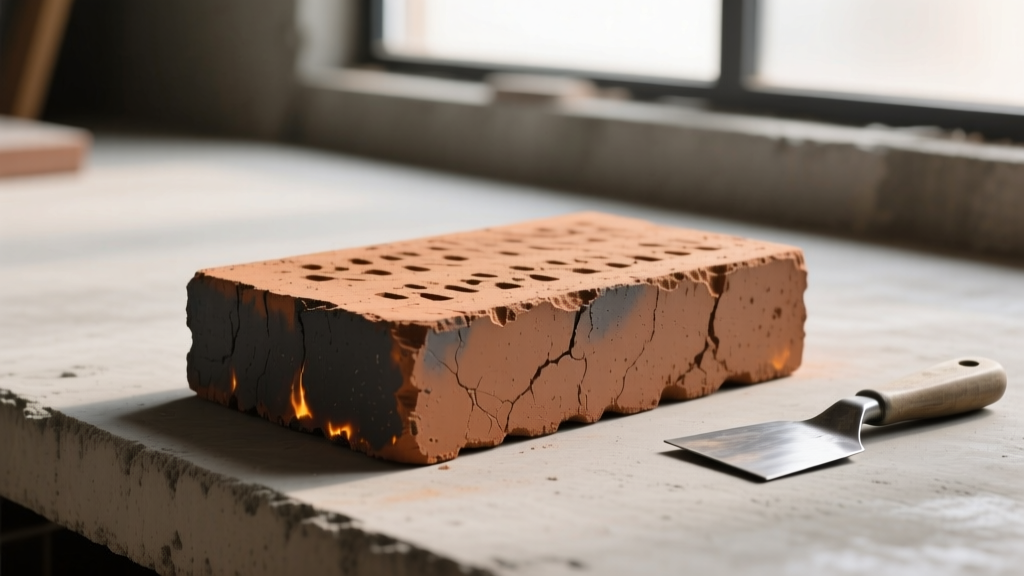
The Material Science of the Grill Brick
A commercial grill brick is not a standard masonry unit; it is a highly engineered abrasive block designed specifically for the metallurgy of flat top griddles. The primary cooking surfaces of commercial planchas are typically constructed from A36 mild steel or cold-rolled steel alloys. Over time, cooking fats and proteins undergo thermal degradation, forming a hard, insulating layer of polymerized lipids known as carbon buildup.
Standard steel scrapers often fail to remove this polymerized layer without gouging the griddle surface. The grill brick solves this through its unique friability. Manufactured from expanded pumice (volcanic glass) and volcanic ash, the brick possesses a porous, cellular structure. While the raw pumice material is technically harder than carbon on the Mohs scale, the brick's high porosity causes it to break down (friable abrasion) at a microscopic level as it is dragged across the steel. This allows it to aggressively shear away brittle carbon deposits while leaving the underlying steel plate completely unmarred.
Product Selection Matrix: GB12 vs. GB24
Selecting the correct brick density is critical for operational efficiency. Using a heavy-duty brick on a lightly soiled griddle wastes material and increases the risk of surface micro-scratches over years of use.
| Product Model | Composition | Best Use Case | Avg. Lifespan |
|---|---|---|---|
| GB12 (Standard Duty) | 100% Expanded Pumice | Daily maintenance, light carbon, breakfast stations | 30–40 cleans |
| GB24 (Heavy Duty) | Pumice + Aluminum Oxide Grit | Weekly deep cleans, charred meat residue, burger stations | 50–60 cleans |
| Griddle Screen (Alternative) | Stainless Steel Mesh | Emergency spot-cleaning (Not recommended for full surface) | 5–10 uses |
Decision Framework: Grill Brick vs. Chemical Cleaners
While chemical carbon-removers (often potassium hydroxide-based) exist, they introduce severe operational bottlenecks. According to the FDA Food Code, food-contact surfaces must be cleaned and sanitized using methods that prevent chemical contamination and toxic residue buildup. Grill bricks offer a mechanical, non-toxic alternative that aligns with strict food safety compliance while drastically reducing downtime.
The 7-Step Grill Brick Cleaning Playbook
Execution precision dictates the lifespan of both your griddle and the brick. Follow this exact sequence for end-of-shift or mid-shift deep cleaning.
Step 1: Temperature Calibration
Reduce the griddle surface temperature to exactly 200°F to 250°F (93°C to 121°C). Why? At this temperature, polymerized carbon softens just enough to be mechanically sheared. If the griddle is hotter than 300°F, the grill brick will disintegrate rapidly, and the cleaning oil will instantly flash-fry, creating more carbon. If the griddle is cold, the carbon remains rock-hard, requiring excessive downward pressure that can warp thin-gauge steel plates.
Step 2: Bulk Debris Removal
Use a heavy-duty metal spatula or bench scraper to push all loose food particles, pooled grease, and liquid debris into the grease trough. Wipe the trough out with a damp rag.
Step 3: Apply the Cleaning Medium
Do not use a dry grill brick. Apply a thin, even layer of a high-smoke-point cleaning medium across the surface. Approved mediums: Dedicated commercial griddle conditioner, pure canola oil, or a 50/50 solution of white vinegar and water. The liquid acts as a lubricant and a suspension agent for the lifted carbon particles.
Step 4: The Scrubbing Technique
Grip the GB12 or GB24 brick flat against the surface. Apply moderate, even downward pressure (approximately 5–8 lbs of force). Scrub in a systematic, overlapping circular motion, or use a back-and-forth motion parallel to the grease trough. Never scrub perpendicular to the trough, as this pushes the abrasive carbon slurry into the microscopic grain of the steel, which can cause rusting over time.
Step 5: Slurry Management
As you scrub, the oil and carbon will mix into a thick, black slurry. Use your bench scraper to continuously push this slurry off the edge of the griddle and into the grease trap. Do not allow the slurry to dry on the surface.
Step 6: Surface Wipe-Down
Once the visible carbon is removed, turn off the griddle heat. Take a clean, damp microfiber cloth or a dedicated griddle wipe and thoroughly wipe down the entire surface to remove any residual pumice dust and suspended carbon.
Step 7: Immediate Re-Seasoning
A freshly bricked griddle is completely bare and highly susceptible to flash-rusting. While the surface is still warm (around 150°F), apply a microscopically thin layer of high-smoke-point cooking oil. Use a dry cloth to buff the oil until the surface looks almost dry. The residual heat will polymerize this oil layer, creating a non-stick, rust-proof patina.
- Chrome Griddles: Never use a grill brick on chrome-plated surfaces. The abrasive pumice will permanently scratch and dull the chrome finish. Use only manufacturer-approved chemical cleaners for chrome.
- Excessive Water: Do not flood the griddle with water while using a grill brick. Water causes rapid thermal shock, which can crack the steel plate or warp the welds on the heating elements underneath.
- Brick Storage: Never store a wet grill brick in an airtight container. The trapped moisture will cause the brick to degrade into mush. Store them in a dry, ventilated rack.
2026 Cost Analysis and Kitchen ROI
From a facility management perspective, the grill brick remains one of the highest ROI maintenance tools in commercial food service. Based on current 2026 commercial supply chain pricing, a standard GB12 brick costs between $2.80 and $3.50 when purchased in bulk cases.
If a kitchen performs a daily mid-shift clean and an end-of-day deep clean, a single brick will typically last 10 to 14 days before it wears down to an unusable size. This equates to a material cost of roughly $0.25 per day. Compared to the labor cost of a kitchen porter spending an extra 30 minutes scraping a cold griddle with chemical soaks (which also degrades the steel over time), the mechanical grill brick method saves an estimated 12 to 15 labor hours per month per station. Furthermore, maintaining a perfectly flat, carbon-free griddle surface ensures even heat transfer, reducing food waste from unevenly cooked proteins.
Extending Brick Lifespan: The Halving Technique
When a grill brick wears down to about 1 inch in thickness, it becomes difficult to grip safely without burning your knuckles on the warm griddle. Do not throw it away. Use a standard masonry chisel or a heavy-duty serrated bread knife to score the brick and snap it in half. This exposes a fresh, flat abrasive surface, effectively doubling the usable lifespan of the unit and reducing your annual consumable spend by up to 40%.