Cleaning and Maintenance After Putting in a Sliding Glass Door
Discover the essential cleaning and maintenance playbook for the first 90 days after putting in a sliding glass door to ensure smooth operation.
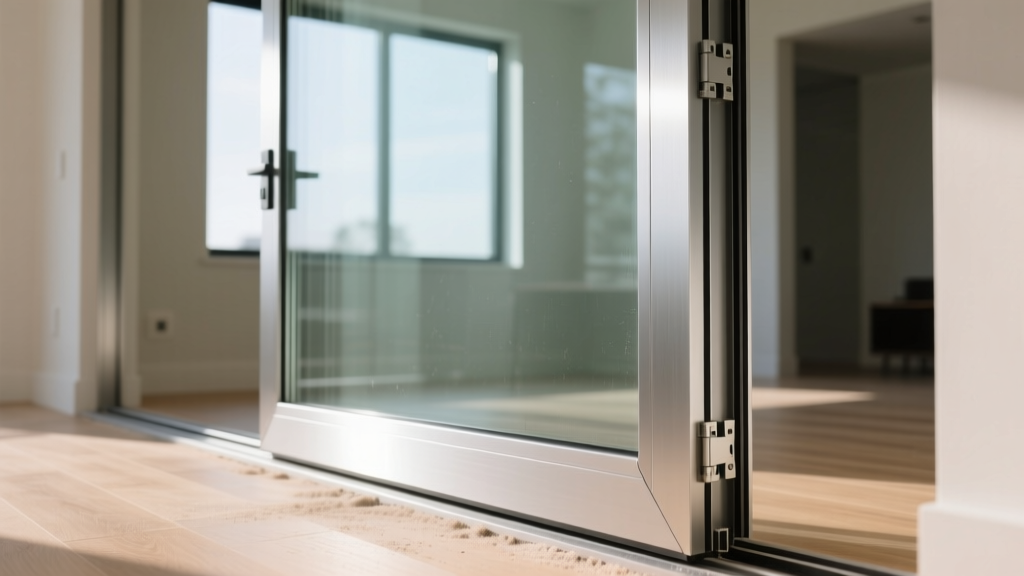
The Critical First 90 Days: Post-Installation Settling
The period immediately following the installation of large architectural glass elements is where long-term operational performance is won or lost. When putting in a sliding glass door, contractors inevitably leave behind microscopic silica dust, drywall compound, alkaline residue from stucco, and metal shavings from drilling. Furthermore, as a home's framing settles over the first 90 days, the door's rough opening can shift by up to 1/8 of an inch, altering the alignment of the rollers and the compression of the weatherstripping.
Ignoring post-installation maintenance during this window leads to premature bearing failure, compromised thermal seals, and scratched Low-E coatings. This playbook details the exact protocols required to protect your investment and ensure the door glides effortlessly for decades.
Microscopic silica dust from drywall sanding and concrete cutting acts like liquid sandpaper when trapped in door tracks. If left uncleaned for more than 14 days post-installation, it will permanently score the anodized aluminum finish and destroy the nylon roller bearings. Immediate decontamination is mandatory.
Track Cleaning Protocol: Removing Installer Debris
The bottom track of a sliding glass door is a magnet for construction debris. Standard sweeping is insufficient, as it merely pushes abrasive particles into the weep holes and corner joints.
Step-by-Step Track Decontamination
- Dry Extraction: Use a HEPA-filter shop vacuum with a crevice tool attachment to remove loose drywall dust and wood shavings from the track channels.
- Mechanical Agitation: Use a stiff nylon bristle brush (never a wire brush, which will strip the anodized finish) to dislodge dried mud or paint splatters adhered to the track walls.
- Chemical Dissolution: Spray a 50/50 mixture of distilled white vinegar and warm water onto the track. Allow it to sit for three minutes to break down alkaline construction residues like stucco or mortar.
- Final Wipe: Wipe the track completely clean with a microfiber cloth, ensuring the weep holes at the bottom corners are entirely clear of obstructions.
Roller and Bearing Adjustment (The 30-Day Check)
Modern sliding doors, such as the Andersen 400 Series or Pella ProLine, utilize heavy-duty tandem rollers that support panels weighing up to 400 pounds. During the first 30 days, the weight of the glass causes the rollers to compress and the house framing to settle, often resulting in a door that drags on the threshold or requires excessive force to operate.
| Symptom | Probable Cause | Corrective Action |
|---|---|---|
| Door drags on threshold | Rollers settled or framing shifted downward | Locate bottom-edge adjustment screws; turn clockwise exactly 1/4 turn to raise the panel. |
| Gap at the top when locked | Panel is tilted or raised too high on one side | Lower the high side by turning the adjustment screw counter-clockwise until the multi-point lock engages flush. |
| Excessive lateral wobble | Top guide rollers are loose or missing | Check the top header track; tighten the Phillips-head screws securing the anti-lift guides. |
Glass and Sealant Curing: What to Avoid
Newly installed architectural glass features delicate surfaces that require specific care. Most contemporary sliding doors utilize double or triple-pane insulated glass units (IGUs) with Low-E (low-emissivity) coatings. According to the U.S. Department of Energy, these microscopically thin metallic oxide layers are critical for reflecting infrared heat and maintaining the home's thermal envelope.
Additionally, the structural silicone sealants and interior glazing beads used during installation require up to 21 days to fully cure. Applying harsh chemicals or excessive pressure to the glass edges during this period can compromise the seal, leading to premature argon gas leakage and fogging between the panes.
Safe Cleaning Agents for Low-E Coatings
Never use ammonia-based cleaners (like standard Windex), abrasive pads, or razor blades on newly installed glass. Ammonia can degrade the Low-E coating, while razor blades can scratch the soft metallic layer if applied to the interior surface (which is typically surface #2 or #3 of the IGU).
- Approved Cleaner: A mixture of 50% distilled water and 50% white vinegar, applied with a clean, lint-free microfiber cloth.
- Commercial Alternative: Stoner Invisible Glass or Sprayway foaming glass cleaner (both are strictly ammonia-free and safe for tinted and coated glass).
- Drying Protocol: Always use a squeegee with a fresh rubber blade or a dry waffle-weave microfiber towel to prevent hard water mineral deposits from etching the glass surface.
According to data from the National Fenestration Rating Council (NFRC), improper cleaning and maintenance of Low-E coatings can degrade the metallic oxide layer over time, potentially reducing the glass's Solar Heat Gain Coefficient (SHGC) performance and voiding the manufacturer's warranty.
Weatherstripping and Weep Hole Maintenance
The weatherstripping (fin seals and bulb seals) on a new sliding door is highly pliable but prone to deformation if crushed by debris or improper track alignment. Inspect the interlock weatherstrip where the sliding panel meets the fixed panel. If it appears crushed or torn, it must be replaced immediately to prevent air infiltration.
Weep holes, located at the exterior bottom corners of the track, are designed to allow condensation and rainwater to drain outside. During installation, these are frequently clogged by caulk, expanding foam, or exterior landscaping mulch. Use a soft plastic pipe cleaner or a wooden toothpick to clear the weep holes. Never use a metal wire hanger, as scratching the interior PVC or aluminum channel will create a pathway for water to leak into the subfloor.
Bi-Annual Lubrication Playbook
Once the initial 90-day settling period is complete and the tracks are perfectly clean, establishing a bi-annual lubrication schedule is vital. The Fenestration and Glazing Industry Alliance (FGIA) recommends specific lubrication protocols to maintain the integrity of nylon and steel bearings without attracting dust.
What to Use (and What to Avoid)
- 3-IN-ONE Silicone Spray
- WD-40 Specialist Dirt & Dust Resistant Dry Lube (PTFE-based)
- Blaster Silicone Lubricant
Apply a light mist directly to the track and roller bearings. Wipe away excess immediately.
- Standard WD-40 Multi-Use (Petroleum-based, attracts grime)
- White Lithium Grease (Too thick, gums up bearings)
- Graphite Powder (Stains the track and tracks dirt)
Using petroleum oils will degrade nylon rollers and turn dust into an abrasive paste.
Frequently Asked Questions
How often should I clean the tracks of my sliding glass door?
In coastal or high-dust environments, tracks should be vacuumed and wiped monthly. In standard suburban environments, a thorough cleaning every three to six months is sufficient to prevent bearing wear.
Can I use a pressure washer to clean the exterior of my new sliding door?
No. Pressure washers can easily exceed the design pressure (DP) rating of residential sliding doors, forcing water past the weatherstripping and into the wall cavity. Always use a standard garden hose with a gentle spray nozzle for exterior rinsing.
Why is my multi-point lock difficult to engage after installation?
Multi-point locking systems (such as those by Hoppe or Truth Hardware) require precise vertical alignment. If the lock is hard to engage, the sliding panel is likely sitting too low on its rollers. Adjust the bottom rollers upward in 1/4-turn increments until the lock cams align perfectly with the strike plates on the frame.