Double Glass Window Panes Lifespan: Durability & Failure Analysis
Analyze the true lifespan of double glass window panes. Discover common failure modes, seal degradation timelines, and when to replace your IGUs.
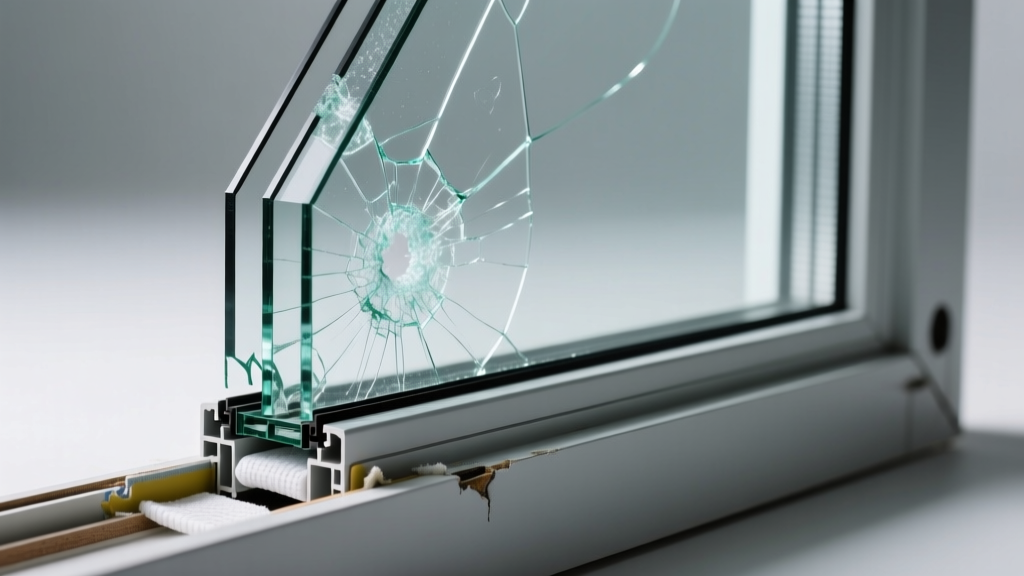
The Anatomy of Double Glass Window Pane Degradation
Double glass window panes, technically classified as Insulated Glass Units (IGUs), are engineered assemblies designed to provide thermal resistance and acoustic dampening. Unlike single-pane glass, which can last indefinitely barring physical impact, double panes possess a finite operational lifespan dictated by their hermetic seal. The standard industry expectation for a high-quality IGU is 15 to 25 years. However, this lifespan is not a guarantee; it is a statistical median heavily influenced by environmental stressors, manufacturing tolerances, and the specific chemical compounds used in the edge seals.
Key Lifespan Metrics for Modern IGUs
- Expected Functional Lifespan: 15–25 years (standard), 25–35 years (premium warm-edge systems).
- Argon Gas Retention Rate: Maximum allowable loss of 1% per year under ASTM E2190 standards.
- Critical Failure Threshold: Thermal performance degrades noticeably when inert gas fill drops below 80% of original volume.
- Desiccant Saturation Point: Typically reached 3 to 5 years after the primary hermetic seal is compromised.
Understanding why these units fail requires examining the dual-seal architecture. The primary seal, typically composed of polyisobutylene (PIB), acts as the vapor and gas barrier. It is highly effective at retaining argon or krypton gas but possesses low structural strength. The secondary seal, usually silicone, polysulfide, or polyurethane, provides the structural rigidity required to hold the glass lites together and resist wind loads and thermal pumping. When either of these layers degrades, the countdown to visible failure begins.
Primary Failure Modes: Why Double Panes Fail
1. Edge Seal Degradation and Thermal Pumping
The most common cause of double glass window pane failure is the breakdown of the edge seal due to 'thermal pumping.' As sunlight heats the air or gas trapped between the panes, the gas expands, pushing outward on the glass and stretching the sealant. At night, the gas cools and contracts, pulling the glass inward. This daily expansion and contraction cycle fatigues the secondary seal over time. According to research from the Lawrence Berkeley National Laboratory, extreme temperature differentials between the center of the glass and the shaded edge accelerate this mechanical fatigue, eventually causing micro-fractures in the sealant that allow moisture ingress and gas escape.
2. Desiccant Saturation and Condensation
Inside the spacer bar separating the two panes of glass lies a desiccant material, most commonly a 3A molecular sieve. This desiccant is engineered to absorb residual moisture trapped inside the unit during manufacturing. Its pore size is specifically calibrated to absorb water molecules while ignoring larger nitrogen and oxygen molecules. Once the primary PIB seal fails and ambient humid air enters the cavity, the desiccant rapidly reaches its saturation point. Once saturated, it can no longer absorb moisture, leading to the hallmark sign of IGU failure: visible condensation or fogging between the panes. At this stage, the unit is permanently compromised and cannot be repaired without full replacement.
3. Thermal Stress and Spontaneous Breakage
While less common than seal failure, thermal stress breakage is a critical durability concern, particularly in large-format architectural glazing. When a portion of the window is shaded (by an overhang or adjacent building) and another portion is in direct, intense sunlight, a severe temperature gradient develops across the glass surface. If the tensile stress at the edge of the glass exceeds its breaking strength, a spontaneous crack will originate from the edge and propagate through the pane. Using heat-strengthened or fully tempered glass for the outer lite mitigates this risk, increasing the allowable thermal gradient from approximately 40°F (annealed) to over 120°F (tempered).
Material Impact on Longevity: Spacer and Sealant Technology
The choice of spacer material fundamentally dictates the durability of double glass window panes. The spacer maintains the gap between the glass lites and houses the desiccant. Historically, hollow aluminum tubes were the industry standard, but their high thermal conductivity creates a 'cold edge' that promotes condensation and accelerates seal failure.
| Spacer Type | Thermal Conductivity | Seal Longevity | 2026 Market Status |
|---|---|---|---|
| Aluminum (Standard Box) | High (Cold Edge) | 10–15 Years | Phased out in premium builds; used in budget retrofits. |
| Stainless Steel | Moderate | 15–20 Years | Standard for mid-tier commercial and residential. |
| TPS (Thermo Plastic Spacer) | Low (Warm Edge) | 25+ Years | Dominant in high-performance and Passive House builds. |
| Structural Foam | Very Low (Warm Edge) | 20–25 Years | Common in high-end residential triple-pane assemblies. |
As of 2026, Thermo Plastic Spacer (TPS) systems represent the pinnacle of IGU durability. TPS is a single-component butyl-based compound extruded directly onto the glass, eliminating the rigid metal corners that traditionally act as failure points during thermal pumping. By creating a highly flexible, continuous warm edge, TPS systems drastically reduce the mechanical stress on the secondary seal, extending the functional lifespan of the double glass window panes well past the 25-year mark.
Real-World Lifespan vs. Manufacturer Warranties
Consumers frequently conflate manufacturer warranties with expected product lifespans, a mistake that leads to significant financial miscalculations. A 20-year warranty on an IGU does not mean the unit is guaranteed to perform optimally for two decades. Most glass manufacturer warranties are heavily prorated and contain strict exclusions.
Warranty Trap Alert: Many standard 10-year IGU warranties cover the materials for seal failure but explicitly exclude the labor required to remove the sash, extract the broken unit, and install the replacement. Furthermore, 'glass breakage' due to thermal stress or structural settling is almost universally excluded unless the glass was specifically tempered and documented at the time of manufacture.
According to the National Fenestration Rating Council (NFRC), the thermal performance ratings (U-factor and Solar Heat Gain Coefficient) certified on a window's label are based on the unit's 'as-manufactured' state. Once the seal fails and argon gas escapes, the U-factor degrades, effectively rendering the window's energy rating obsolete long before the physical glass breaks. Homeowners must evaluate the lifespan based on thermal degradation, not just structural integrity.
Economic Analysis: IGU Replacement vs. Full Window Swap
When double glass window panes fail, property owners face a critical economic decision: replace the IGU (the glass unit only) or replace the entire window frame and sash. The correct choice depends on the condition of the framing material and the extent of the failure.
Cost Breakdown (2026 Estimates)
- IGU-Only Replacement: $180 to $350 per pane (including labor). This is viable if the existing window frames (vinyl, fiberglass, or clad-wood) are structurally sound, operate smoothly, and feature modern weatherstripping. A glazier can remove the interior glazing stops, extract the failed IGU, and drop in a custom-measured replacement unit.
- Full Window Replacement: $650 to $1,400+ per opening (including labor). This is mandatory if the window frames are warped, rotted, or if the hardware is failing. It is also recommended if the existing windows lack Low-E coatings or if upgrading from clear glass to advanced spectrally selective glazing to meet updated local energy codes.
For large-scale commercial buildings or multi-family residential properties, IGU-only replacement yields a return on investment up to 60% higher than full tear-outs, as it eliminates the need for exterior scaffolding, waterproofing membrane repairs, and interior drywall patching associated with full-frame retrofits.
Diagnostic Checklist: When to Replace Your Panes
Identifying the exact stage of IGU failure dictates the urgency of replacement. Use the Department of Energy's guidelines on window efficiency alongside this practical diagnostic framework to assess your double glass window panes.
- The Flashlight Test (Seal Inspection): Shine a high-lumen flashlight at an angle across the interior edge of the glass. Look for a white, chalky residue or a brittle, cracked appearance in the secondary sealant. If the sealant is pulling away from the glass by more than 1/16th of an inch, the primary PIB seal is likely already compromised.
- The Condensation Chronology: If condensation appears only in the early morning and clears by noon, the desiccant is struggling but the unit may have months of life left. If the fog or water droplets remain persistent throughout the day, the desiccant is fully saturated, and the unit requires immediate replacement to prevent mold growth on the interior sash.
- Etching and Hazing: Inspect the space between the panes for a permanent white haze or 'etching.' This occurs when moisture reacts with the glass surface over time, permanently altering the silica structure. Even if the moisture eventually dries out, the etching is permanent and will obscure visibility and reduce solar heat gain, necessitating a swap.
- Acoustic Degradation Check: While difficult to quantify without equipment, a sudden increase in exterior noise transmission often indicates a total loss of the inert gas fill (argon/krypton), which provides a marginal but measurable acoustic buffer compared to standard air.
Proactive replacement of double glass window panes before the secondary seal completely detaches prevents water from pooling in the sash track, thereby protecting the structural integrity of the window frame and the surrounding building envelope.