Larry's Building Materials in Costa Mesa: Project Cost Breakdown
Detailed cost breakdown for sourcing from Larry's Building Materials in Costa Mesa. Compare 2026 lumber, drywall, and concrete pricing for OC remodels.
The Orange County Construction Landscape
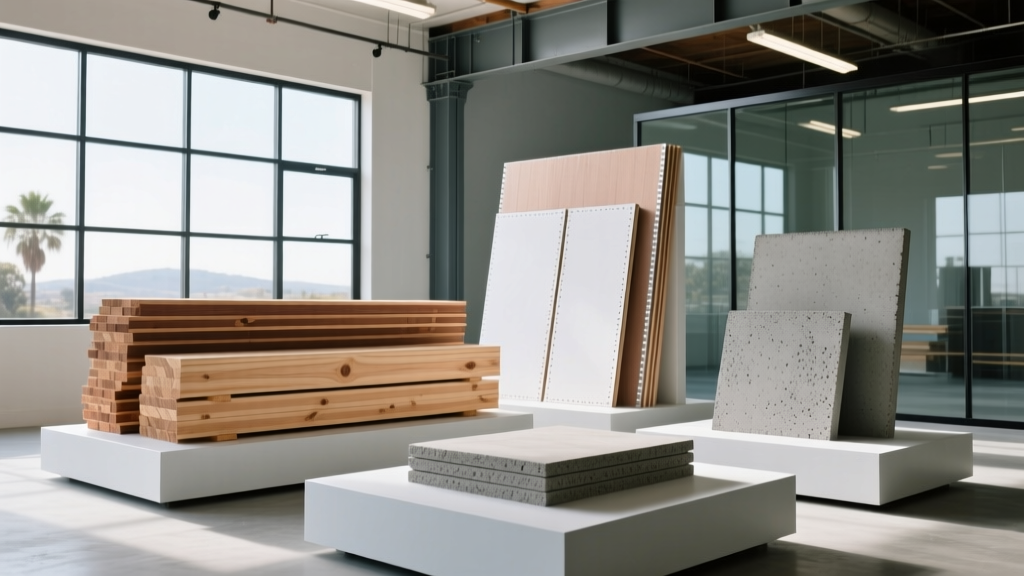
Estimating construction costs in Orange County requires a localized approach that accounts for stringent municipal codes, high labor rates, and specific supply chain dynamics. When sourcing from Larry's Building Materials in Costa Mesa, contractors and homeowners must look beyond national average pricing indexes. The Costa Mesa market, situated between the coastal humidity of Newport Beach and the inland heat of Irvine, demands specific material grades to prevent premature degradation. Furthermore, local zoning laws and street-level logistics heavily influence the final landed cost of materials. This detailed breakdown analyzes the 2026 pricing structures, hidden logistical fees, and code-compliance costs associated with sourcing from this prominent Southern California supplier.
2026 Core Material Cost Breakdown
Material pricing at regional yards fluctuates based on wholesale commodities, but local suppliers maintain distinct retail and pro-desk margins. The following table outlines estimated 2026 baseline costs for high-volume materials frequently pulled from the Costa Mesa inventory. These figures reflect the premium associated with Southern California distribution networks compared to national big-box averages.
| Material Category | Specific Grade / Dimension | Est. Retail Unit Cost | Est. Pro Account Cost |
|---|---|---|---|
| Framing Lumber | SPF #2 2x4x8 (Standard) | $4.15 - $4.60 | $3.65 - $3.95 |
| Premium Lumber | Douglas Fir 2x6x12 (Select Structural) | $28.50 - $32.00 | $24.00 - $27.50 |
| Drywall | 5/8" Type X Fire-Code (4x8) | $19.50 - $22.00 | $16.80 - $18.50 |
| Moisture Resistant | 1/2" PURPLE XP Drywall (4x8) | $24.00 - $27.50 | $21.00 - $23.50 |
| Concrete (Bagged) | 80lb High-Strength Mix (4000 PSI) | $6.85 - $7.50 | $5.90 - $6.40 |
| Insulation | R-19 Kraft-Faced Fiberglass Batt | $1.65 / sq ft | $1.35 / sq ft |
According to data tracked by the U.S. Census Bureau on construction spending, regional material indices in the Pacific division consistently run 8% to 12% higher than the national baseline. This premium is driven by California-specific environmental manufacturing standards and localized freight costs.
Logistics, Delivery, and Hidden Fees
The most frequent point of budget overrun for Orange County remodels is not the material itself, but the last-mile delivery logistics. Costa Mesa features dense residential grids, particularly in the Mesa North and Mesa South neighborhoods, where street widths and municipal parking restrictions complicate flatbed deliveries.
Ordering less than a full truckload (typically under 12,000 lbs or 1,500 board feet) from local yards triggers a short-load delivery fee, often ranging from $125 to $175 per drop. If your Costa Mesa project site lacks driveway depth for a 40-foot flatbed, you will need to schedule a boom truck or crane lift. Crane lifts in Orange County average $250 to $350 per hour, with a strict three-hour minimum. Always verify site access before finalizing your lumber takeoff.
Additionally, if a delivery requires occupying a public street in Costa Mesa, you may need to secure a temporary lane closure or oversize vehicle permit from the city's Public Works department. Failing to account for these municipal permits can result in halted deliveries and compounding daily labor costs while crews wait for materials.
Roofing and Exterior Envelope Estimates
Larry's Building Materials has a strong footprint in Southern California roofing supply. For Costa Mesa homes, which are subjected to coastal salt spray and high UV exposure, selecting the right exterior envelope materials is critical for long-term cost efficiency.
Asphalt vs. Concrete Tile in Coastal Zones
While concrete tiles (such as those from Eagle or Boral) are prevalent in inland OC communities like Irvine and Lake Forest, coastal-adjacent Costa Mesa homes often perform better with high-wind rated architectural asphalt shingles or standing seam metal. Concrete tiles are highly susceptible to efflorescence and salt-air degradation within three miles of the coast.
- Architectural Shingles (GAF Timberline HDZ): Expect to pay between $145 and $165 per square (100 sq ft) at the pro desk, excluding underlayment and ice/water shield.
- Concrete Tile (Standard Profile): Material costs range from $210 to $260 per square. However, the structural reinforcement required to support the 900+ lbs per square foot of tile adds roughly $4.50 to $6.00 per square foot in hidden framing costs.
- Synthetic Underlayment: Upgrading from 15lb felt to a high-temp synthetic underlayment (like GAF FeltBuster) adds approximately $18 to $22 per square but is highly recommended for SoCal attic temperature mitigation.
Navigating Title 24 and Local Code Requirements
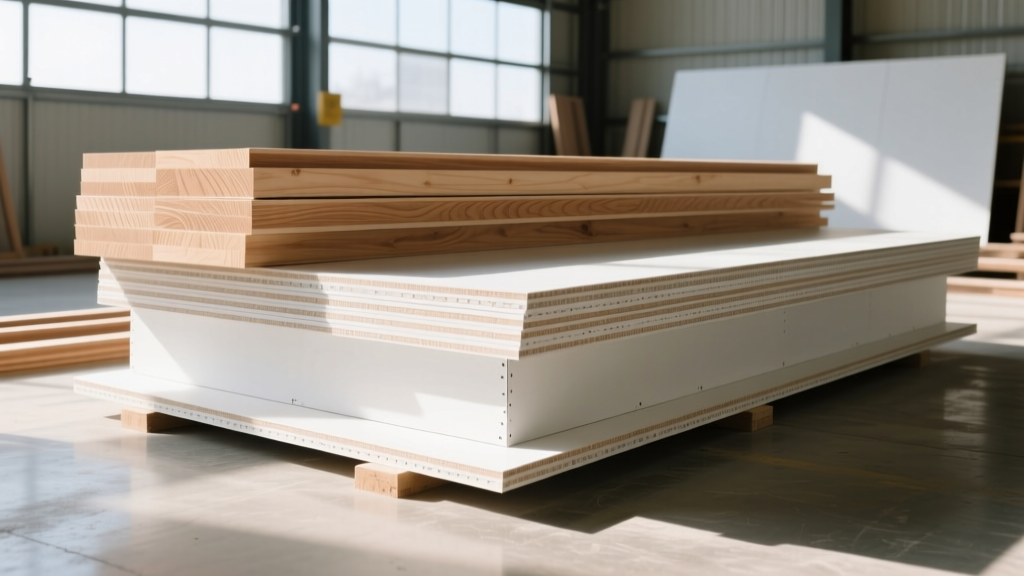
California's Building Energy Efficiency Standards (Title 24) dictate strict requirements for insulation, fenestration, and lighting. When estimating costs for materials pulled from the Costa Mesa yard, estimators must ensure all products meet the 2022/2026 Title 24 updates. The California Energy Commission mandates specific U-factor and Solar Heat Gain Coefficient (SHGC) ratings for windows and doors.
Sourcing non-compliant windows from out-of-state discount suppliers will result in failed municipal inspections in Costa Mesa, forcing costly replacements. Local yards stock Title 24 compliant vinyl and fiberglass windows (such as Milgard or Anlin), which carry a 15% to 20% premium over non-compliant national alternatives. For insulation, achieving the mandatory R-38 ceiling and R-19 wall requirements in Climate Zone 8 (which encompasses parts of coastal OC) often requires upgrading from standard fiberglass batts to blown-in cellulose or closed-cell spray foam, drastically altering the material budget.
Maximizing Pro Account Margins at the Hyland Ave Yard
For general contractors and high-volume remodelers, establishing a commercial account at the Costa Mesa branch (located near the Hyland Ave industrial corridor) unlocks significant cost-saving mechanisms that retail buyers cannot access.
To eliminate delivery fees entirely on mid-sized orders, utilize the drive-through will-call loading zone. By sending a crew with a flatbed trailer or heavy-duty truck during off-peak hours (typically between 6:00 AM and 7:30 AM), you bypass the yard's mid-morning rush, reduce idle time, and avoid the $125+ delivery drop fee. Ensure your crew has the exact PO number and yard location codes pre-loaded to expedite the forklift loading process.
Negotiating volume rebates is another critical strategy. According to the Contractors State License Board, maintaining strict financial and material tracking is essential for licensed builders. By consolidating your monthly framing, drywall, and fastener purchases through a single yard manager, contractors can often negotiate an end-of-month volume rebate ranging from 2% to 5% on gross spend. This requires presenting a projected 90-day material takeoff to the commercial desk manager to lock in tiered pricing before the project breaks ground.
Fasteners and Consumables: The Silent Budget Killers
Estimators frequently overlook the cost of structural connectors and specialized fasteners. In seismic zones like Orange County, the CSLB and local building departments require specific Simpson Strong-Tie holdowns, anchor bolts, and hurricane ties. Purchasing these piecemeal at retail adds up rapidly. A single LUS26 joist hanger may cost $2.15 retail, but buying a master carton of 50 drops the unit cost to $1.45. Always run a complete structural hardware schedule through the pro desk to capture bulk carton pricing on all metal connectors and structural screws.
Written by
David NakamuraDavid Nakamura is a licensed architect (AIA) and construction technology writer focused on sustainable building methods, mass timber engineering, and high-performance building envelopes. He holds a Master of Architecture from the University of Washington and is a certified Passive House Consultant (CPHC). David spent eight years at the Seattle firm Mithun, where he led the design of three LEED Platinum projects, before founding his own practice specializing in net-zero residential design. He serves on the editorial advisory board of GreenBuilder Magazine and has authored peer-reviewed papers on cross-laminated timber (CLT) connections for the Journal of Structural Engineering. In his spare time, David teaches woodworking at Pratt Fine Arts Center and kayaks the Puget Sound.
More from David Nakamura
View all
Construction Cost
Labor Cost to Build a Deck Per Sq Ft: 2026 Installation Guide
Discover the exact labor cost to build a deck per sq ft in 2026. This installation guide breaks down contractor rates, complexity factors, and hidden fees.
Aug 4, 2026

Construction Cost
How Much Does It Cost to Build a 3 Bedroom House? Financing Guide
Learn exactly how much it costs to build a 3 bedroom house and explore 2026 financing options, construction loan types, and budget frameworks for your build.
Aug 4, 2026

Construction Cost
Cost to Build a Tennis Court: 2026 Guide
How much does it cost to build a tennis court in 2026? Breakdowns for asphalt, concrete, and synthetic surfaces plus fencing and lighting.
Jul 30, 2026