TimberTech Composite Decking Lines Compared: 2026 Selection Guide
Compare TimberTech composite decking and Advanced PVC lines for 2026. Expert taxonomy, pricing matrix, span ratings, and climate selection frameworks.
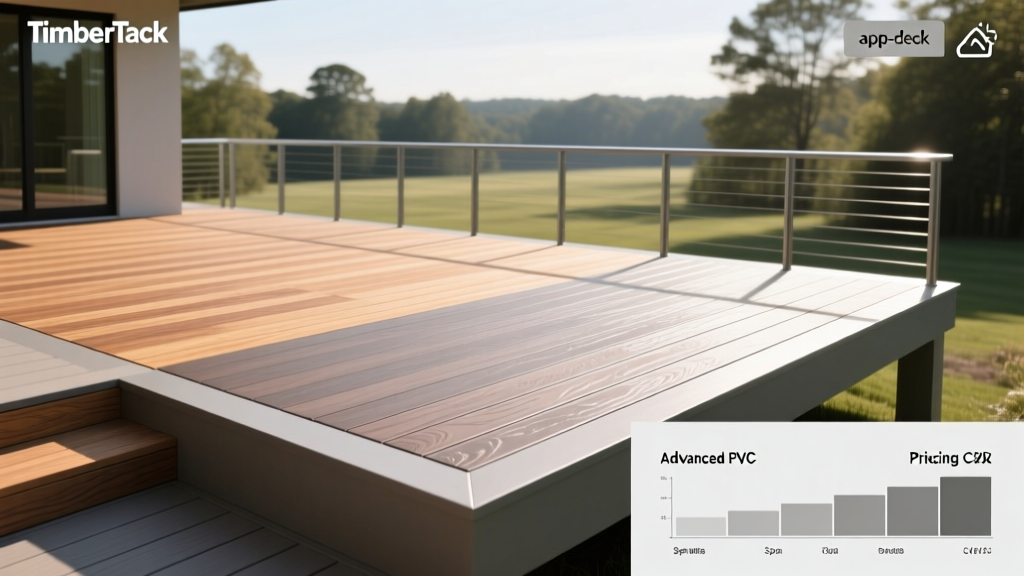
The TimberTech Taxonomy: Capped Composite vs. Advanced PVC
When evaluating TimberTech composite decking for a 2026 outdoor build, the first critical decision is understanding the brand's core material taxonomy. TimberTech divides its portfolio into two distinct chemical categories: Capped Wood-Plastic Composite (WPC) and Advanced Cellular PVC. While both feature a protective polymer cap, their structural cores dictate their performance, pricing, and ideal applications.
TimberTech's true composite lines (Prime+ and Terrain+) utilize a core blend of recycled wood flour and high-density polyethylene (HDPE). This mixture provides the rigidity and weight similar to natural lumber, making it highly resistant to wind uplift and providing a dense, solid feel underfoot. However, if the protective cap is deeply gouged, the exposed wood-flour core can absorb trace moisture over time.
Conversely, the Advanced PVC lines (Legacy+ and Landmark+) feature a cellular PVC core with zero organic wood content. This makes them completely impervious to moisture absorption, rot, and mold, even if the surface cap is severely compromised. The trade-off is a slightly lighter weight and a higher material cost.
2026 TimberTech Lineup Breakdown & Pricing Matrix
Material costs for composite and PVC decking have stabilized following the supply chain fluctuations of the early 2020s. Below is the 2026 pricing matrix for TimberTech's primary decking lines, reflecting material-only costs per square foot (excluding framing, fasteners, and labor).
| Product Line | Material Core | 2026 Price / Sq Ft | Fade & Stain Warranty | Cap Technology |
|---|---|---|---|---|
| Prime+ | Capped Composite | $4.80 - $5.60 | 25 Years | 3-Sided Polymer |
| Terrain+ | Capped Composite | $6.20 - $7.40 | 30 Years | 4-Sided Polymer |
| Legacy+ | Advanced PVC | $8.90 - $10.50 | 50 Years | Alloy Armour (PVC) |
| Landmark+ | Advanced PVC | $11.00 - $13.20 | 50 Years | Alloy Armour (PVC) |
Climate-Specific Selection Framework
Selecting the right TimberTech composite decking line requires matching the material's physical properties to your local microclimate. The following decision matrix removes the guesswork from regional material specification.
Coastal, High-Humidity, and Salt-Air Zones
In environments with persistent salt spray and high ambient humidity, moisture ingress is the primary enemy of structural integrity. While TimberTech composite decking (Terrain+ and Prime+) performs admirably in standard conditions, the 50-year warranty and zero-absorption core of the Legacy+ Advanced PVC line make it the superior choice for oceanfront properties. The Alloy Armour Technology cap on the PVC lines also provides enhanced resistance to the abrasive effects of wind-blown coastal sand.
High-Altitude and Extreme UV Exposure
At elevations above 5,000 feet, UV radiation intensity increases by approximately 10% to 12% per 1,000 meters. Darker composite boards can experience thermal expansion and surface degradation under extreme UV. For high-altitude builds, specify the Landmark+ PVC line in lighter colorways (such as Coastal Cedar or French White Oak). The premium PVC cap utilizes advanced UV inhibitors that outperform standard composite caps, and the lighter colors reduce thermal absorption, minimizing the risk of boards warping under intense midday sun.
Advanced PVC expands and contracts at nearly twice the rate of capped composite. When installing Legacy+ or Landmark+, you must leave a minimum 1/8-inch gap per 10 feet of board length at butt joints. TimberTech composite lines (Prime+ and Terrain+) require only a 1/16-inch gap per 10 feet. Failing to adjust gapping based on the specific material taxonomy will result in buckling during summer heatwaves.
Structural & Framing Specifications
The underlying joist structure must be engineered to support the specific weight and span limitations of the chosen TimberTech line. According to TimberTech's official installation guidelines and independent structural testing, adhere to the following framing parameters:
- Standard Joist Spacing: All TimberTech composite and PVC decking lines support a maximum 16-inch on-center (OC) joist spacing for perpendicular installations.
- Diagonal Installations: If laying boards at a 45-degree angle, you must reduce the joist spacing to 12-inch OC across all product lines to prevent sagging and bounce.
- Blocking Requirements: Install solid wood blocking between joists every 4 to 6 feet to prevent joist twisting and provide secure anchor points for picture-frame borders and fascia boards.
- Maximum Overhang: Do not exceed a 1-inch overhang past the end joist for composite lines, and a 1.5-inch overhang for PVC lines, to prevent edge snapping under concentrated foot traffic.
Hidden Fastener Compatibility and Edge Cases
TimberTech composite decking features a scalloped or grooved edge designed specifically for hidden clip fastening systems. When using the TimberTech Cortex or CONCEALoc hidden fastener systems, ensure you are using the specific clip engineered for the board's profile. Terrain+ utilizes a standard grooved edge, while the Advanced PVC lines feature a slightly deeper channel to accommodate the higher expansion rates of the cellular core.
For picture-framing the deck perimeter, you will need to face-screw the boards. Use the Cortex plug system, which includes color-matched PVC or composite plugs that perfectly mimic the specific surface grain of the chosen TimberTech line. Do not mix plug materials; using a composite plug on a PVC board will result in a visible texture mismatch as the materials weather differently over time.
Frequently Asked Questions
Can I mix TimberTech composite and PVC lines on the same deck?
Yes, but it requires strategic planning. Many designers use the more affordable Terrain+ composite for the main deck field and upgrade to Landmark+ Advanced PVC for the picture-frame border, fascia, and stair treads. Because both lines share similar color palettes (like Prime Woodland Brown and Landmark Brazilian Teak), the transition is visually seamless, while the PVC border provides extra scratch resistance against patio furniture movement.
How does the weight of composite compare to pressure-treated lumber?
TimberTech composite decking is significantly heavier than traditional pressure-treated pine. A 16-foot composite board can weigh up to 60% more than its wood counterpart. This added mass provides excellent acoustic dampening (reducing the "hollow" sound of footsteps) but requires the framing contractor to verify that the support posts and footings are sized to handle the increased dead load, especially for elevated, multi-level deck structures.
What is the minimum ground clearance for TimberTech composite?
To maintain the validity of the TimberTech limited warranty, capped composite boards (Prime+ and Terrain+) require a minimum of 2 inches of unobstructed ventilation between the bottom of the joists and the ground. If your design requires a lower profile or direct contact with a concrete patio slab, you must pivot to the Advanced PVC lines, which carry no minimum clearance requirements for moisture wicking.