Under Deck Drainage System Lifespan: Durability & Failure Analysis
Analyze the lifespan and durability of under deck drainage systems. Compare PVC, EPDM, and aluminum troughs, failure modes, and maintenance.
The Economics of Substructure Protection
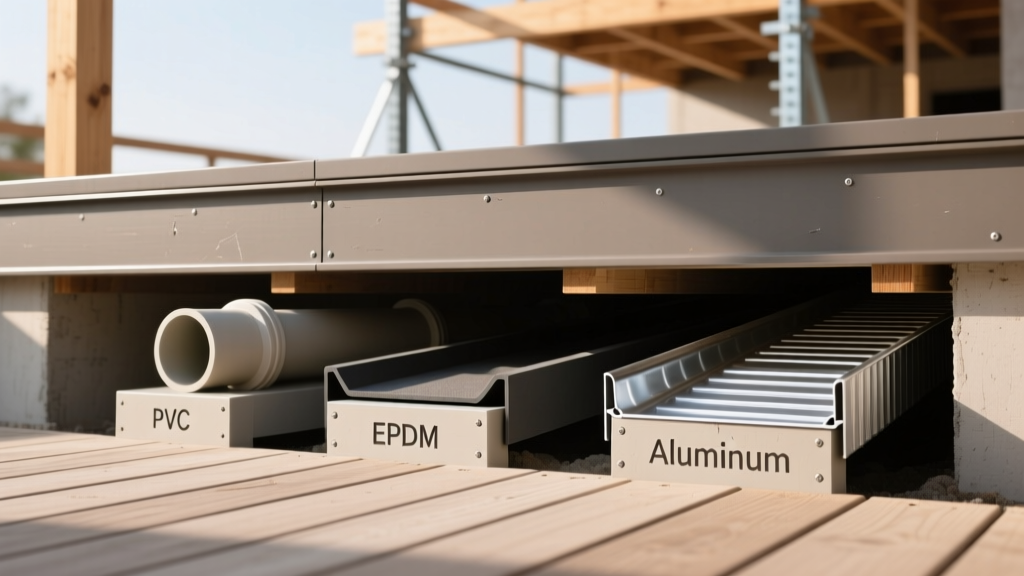
An under deck drainage system transforms the dead space beneath an elevated deck into usable, dry square footage while simultaneously protecting the wooden substructure from moisture-induced rot. However, not all drainage solutions age equally. When evaluating the true cost of these systems, the initial price per square foot is only a fraction of the equation; the lifecycle cost, dictated by material durability and failure resistance, determines the actual return on investment. According to the InterNACHI Standard Estimated Life Expectancy Chart, exterior moisture management components face some of the harshest degradation curves in residential construction. This analysis breaks down the expected lifespans, specific failure modes, and maintenance requirements of the four primary under deck drainage materials available in 2026.
Material Lifespan & Durability Matrix
The market is dominated by four distinct material categories. The table below synthesizes manufacturer warranties, real-world field lifespans, and material-specific vulnerabilities.
| Material Type | Expected Field Lifespan | UV Resistance | Freeze-Thaw Durability | Avg Installed Cost (2026) |
|---|---|---|---|---|
| EPDM Rubber Membrane | 15 - 25 Years | Excellent | Excellent | $3.50 - $5.50 / sq ft |
| PVC Ceiling Panels | 20 - 30 Years | Good (with UV inhibitors) | Moderate | $7.00 - $11.00 / sq ft |
| Aluminum Trough Systems | 40 - 50+ Years | Excellent | Excellent | $13.00 - $18.00 / sq ft |
| Corrugated Polycarbonate | 10 - 15 Years | Poor ( yellows/brittles) | Poor | $2.50 - $4.50 / sq ft |
Anatomy of Premature Failure
While manufacturer warranties often promise decades of performance, real-world lifespans are frequently truncated by installation errors and environmental stressors. Understanding these specific failure modes is critical for maximizing system longevity.
EPDM Ponding and Seam Delamination
EPDM (Ethylene Propylene Diene Monomer) rubber is highly resistant to water and temperature fluctuations. However, its primary failure mode is structural: ponding. EPDM is a flexible membrane that relies entirely on the slope of the joists beneath it. If the installation fails to maintain a strict minimum slope of 1/4 inch per foot of run, water pools in low spots. Over time, the sheer weight of standing water (8.34 lbs per gallon) stretches the rubber, causing permanent deformation and accelerating micro-tears. Furthermore, systems that rely on adhered seams rather than vulcanized tape or continuous single-sheet drops are prone to delamination within 7 to 10 years as the adhesive dries out and loses elasticity.
Aluminum Galvanic Corrosion
Aluminum trough systems, such as those offered by premium manufacturers, offer the longest physical lifespan. Yet, they are highly susceptible to galvanic corrosion when installed incorrectly. When bare aluminum comes into direct, sustained contact with the copper-based preservatives (like ACQ or MCQ) found in modern pressure-treated lumber, a galvanic cell is created in the presence of moisture. This eats away the aluminum, causing pinhole leaks in as little as 5 years. To prevent this, installers must use a physical barrier—such as a 40-mil butyl tape or an EPDM separator strip—between the aluminum trough and the treated wood joists.
PVC and Polycarbonate Thermal Shock
Rigid plastics like PVC and polycarbonate expand and contract significantly with temperature swings. Polycarbonate panels, often used in budget DIY kits, suffer from severe UV degradation, turning yellow and brittle after roughly a decade of direct sun exposure. PVC panels fare better but are vulnerable to thermal shock and freeze-thaw cycles. If a PVC panel traps a pocket of water that freezes, the 9% volumetric expansion of the ice will easily crack the rigid plastic. Ensuring continuous, unobstructed drainage paths is non-negotiable for rigid plastic systems.
Newly installed pressure-treated joists retain high moisture and chemical content. If you install a fully enclosed PVC ceiling system immediately, the trapped off-gassing and moisture can accelerate wood decay. The USDA Forest Products Laboratory recommends allowing the substructure to dry and stabilize for at least one full seasonal cycle before sealing the underside with a rigid ceiling drainage system.
Climate-Specific Lifespan Adjustments
The baseline lifespans listed in the matrix assume a temperate climate. Regional environmental factors require material adjustments to maintain those timelines.
- Coastal / Salt-Air Environments: Aluminum troughs must be specified with a powder-coated or anodized finish. Bare aluminum will pit and oxidize rapidly in salt air, reducing its 50-year lifespan to under 15 years. EPDM or PVC are chemically inert to salt and perform better here.
- Heavy Snow Load Regions: In areas with prolonged winter snowpack, ice damming on the deck surface can force meltwater backward under the decking boards. Systems must feature oversized collection troughs (minimum 6-inch width) and reinforced hangers rated for at least 40 lbs per linear foot to handle the weight of ice accumulation inside the drainage channels.
- High-UV / Arid Climates: Avoid corrugated polycarbonate entirely. Even UV-coated polycarbonate will become brittle and shatter under hail or heavy wind debris after 8-10 years in high-UV zones like the American Southwest. Stick to 60-mil EPDM or heavy-gauge aluminum.
Maintenance Protocols for Maximum Longevity
No under deck drainage system is truly 'install and forget.' Debris accumulation is the enemy of longevity. Implementing a strict maintenance protocol ensures the system reaches its maximum expected lifespan.
Bi-Annual Flushing and Debris Management
Leaves, pine needles, and wind-blown dirt inevitably bypass the deck board gaps. Over time, this organic matter forms a sludge that clogs the collection troughs and downspouts.
- Spring and Fall Inspections: Visually inspect the troughs using a flashlight. Look for standing water, which indicates a clog or a loss of slope.
- Low-Pressure Flushing: Use a garden hose with a standard spray nozzle (avoid high-pressure washers, which can tear EPDM seams or dislodge PVC joints) to flush the channels toward the downspouts.
- Downspout Clearing: Remove the bottom elbow of the downspout annually to clear compacted debris that restricts flow.
Upgrading to Mesh Debris Guards
For decks situated under heavy tree canopies, the most effective way to extend the lifespan of the drainage system is to prevent debris from entering it in the first place. Installing a specialized under-deck mesh guard (such as the Trex RainEscape compatible debris shields) over the joist bays catches large organic matter while allowing water to pass through. This reduces the required maintenance from bi-annual flushing to a simple annual sweep of the mesh surface.
Long-Term ROI: Cost vs. Lifecycle Analysis
When budgeting for an under deck drainage system, calculate the cost per year of service rather than the upfront square footage cost. A corrugated polycarbonate system might cost $3.50 per square foot but will require total replacement in 12 years, yielding an annualized cost of $0.29 per square foot. Conversely, a powder-coated aluminum trough system installed with proper galvanic separation might cost $16.00 per square foot but will easily last 45 years, yielding an annualized cost of just $0.35 per square foot. When factoring in the labor cost of a complete tear-out and re-installation for the cheaper system, the aluminum trough becomes the undisputed financial winner for long-term homeowners. Choose EPDM for budget-conscious builds with high moisture exposure, PVC for finished living spaces requiring a clean ceiling aesthetic, and aluminum for permanent, multi-generational structural protection.