Chicken Fence Durability: Galvanized Wire vs Hardware Cloth Lifespan
Compare the lifespan and durability of chicken fence materials. Analyze galvanized wire, hardware cloth, and poultry netting for predator-proof runs.
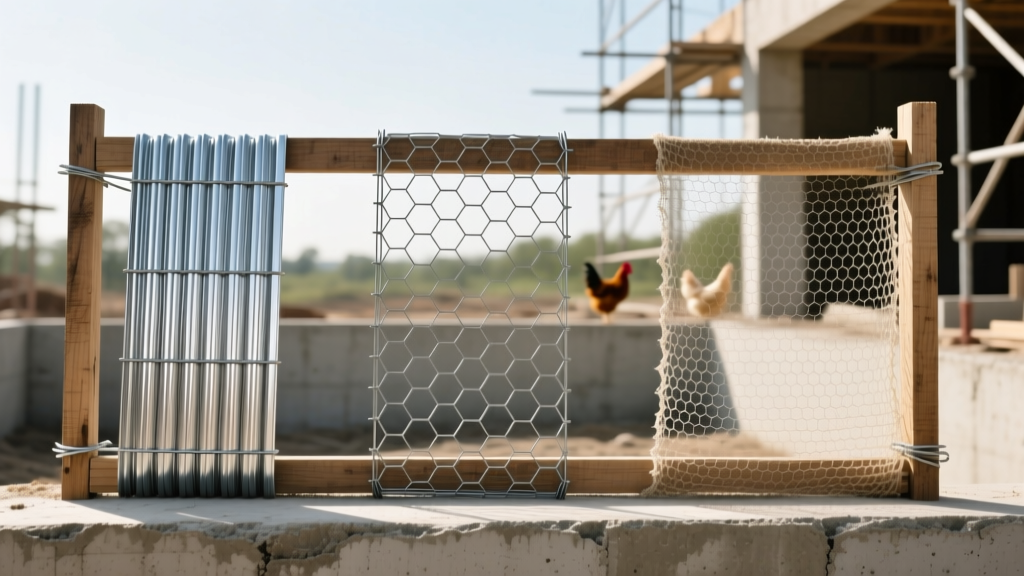
The Hidden Cost of Cheap Poultry Enclosures
The most expensive mistake in backyard poultry management is buying a chicken fence based solely on upfront linear-foot cost. A lightweight hexagonal poultry netting might cost $0.40 per foot, while heavy-duty hardware cloth costs $1.80 per foot. However, when analyzing durability, environmental degradation, and predator biomechanics, the cheaper option frequently results in total flock loss within 24 months. Understanding the metallurgical and structural differences between fencing materials is critical for constructing an enclosure that survives both the elements and apex predators.
This analysis breaks down the exact lifespan expectations, failure modes, and long-term return on investment (ROI) for the primary chicken fence materials available on the market today.
Material Breakdown: Lifespan and Failure Points
Hexagonal Poultry Netting (Traditional 'Chicken Wire')
Woven from thin, flexible steel wire and twisted into hexagonal patterns, traditional poultry netting is typically available in 20-gauge or 22-gauge thicknesses with 1-inch or 2-inch mesh sizes. Its primary function is containment, not protection. The thin wire lacks the tensile strength to resist pulling forces. Raccoons can easily unravel the twisted joints, and coyotes can bite through 20-gauge wire with minimal effort. Furthermore, because it is almost exclusively Galvanized Before Weaving (GBW), the zinc coating is compromised at every twist, leading to rust failure in 2 to 4 years in humid climates.
Welded Wire Mesh
Welded wire features rigid grid patterns (usually 2x3 inches or 2x4 inches) made from 16-gauge or 14-gauge wire. It offers excellent structural rigidity and is ideal for keeping larger predators like dogs and coyotes at bay. However, the wide mesh allows smaller predators—such as weasels, rats, and snakes—to enter the run. Additionally, the rigid welds become brittle under extreme temperature fluctuations or physical impact, occasionally snapping at the joints if the fence is subjected to heavy snow loads or falling branches.
Hardware Cloth (The Predator-Proof Standard)
Hardware cloth is a heavy-duty welded wire mesh, typically manufactured in 1/2-inch or 1/4-inch grid sizes using 19-gauge or 16-gauge steel. This is the gold standard for chicken fence durability. The tight mesh prevents raccoons from reaching through to grab poultry, and the thick wire resists the bite force of foxes and coyotes. When purchased with a Class 3 zinc coating or a bonded PVC vinyl coating, hardware cloth can maintain structural integrity for 15 to 20 years.
Never purchase Galvanized Before Welding (GBW) hardware cloth for permanent runs. The welding process burns off the protective zinc coating at every intersection, creating microscopic bare-steel targets for oxidation. Always specify Galvanized After Welding (GAW) or vinyl-coated wire. GAW wire is dipped in molten zinc after the grid is welded, sealing the joints and tripling the fence lifespan.
Environmental and Predator Stress Factors
Fence durability is not just about rust; it is about surviving the physical forces applied by local wildlife. According to USDA APHIS Wildlife Damage Management, predator pressure varies significantly by region, requiring specific mesh and gauge selections.
- Raccoons: Possess highly dexterous front paws. They will reach through any mesh larger than 1/2 inch, grab a bird, and pull it apart piece by piece. They also possess the pulling strength to rip 20-gauge poultry netting apart at the twists.
- Foxes and Coyotes: Rely on bite force and digging. A coyote's bite force can easily snap 16-gauge wire if the mesh is large enough to grab. Digging is their primary entry method, requiring subterranean fence aprons.
- Corrosion Vectors: Coastal environments with salt spray, or agricultural areas with high ammonia levels from nearby livestock, will strip standard Class 1 zinc coatings in under 36 months. In these zones, marine-grade stainless steel hardware cloth or thick PVC-coated wire is mandatory.
For comprehensive regional predator mitigation strategies, the Poultry Extension collaborative recommends combining physical wire barriers with strategic lighting and perimeter clearing to reduce predator ambush opportunities.
Lifespan vs. Cost ROI Matrix
When evaluating the true cost of a chicken fence, calculating the annualized cost over the material's expected lifespan reveals a stark contrast between budget and premium options.
| Material Type | Gauge / Mesh | Approx. Cost (per 100 ft, 48" high) | Expected Lifespan | Annualized Cost | Predator Rating |
|---|---|---|---|---|---|
| Hexagonal Poultry Netting | 20ga / 1" mesh | $45.00 | 2 - 4 Years | $15.00 / yr | Poor (Containment only) |
| Standard Welded Wire (GBW) | 16ga / 2x4" mesh | $95.00 | 5 - 7 Years | $15.80 / yr | Fair (Fails vs small predators) |
| Hardware Cloth (GAW) | 19ga / 1/2" mesh | $160.00 | 12 - 15 Years | $11.85 / yr | Excellent (Stops raccoons) |
| Vinyl-Coated Hardware Cloth | 16ga / 1/2" mesh | $240.00 | 18 - 22 Years | $12.00 / yr | Superior (Stops all predators) |
As the matrix demonstrates, premium 16-gauge vinyl-coated hardware cloth actually yields a lower or equal annualized cost compared to cheap poultry netting, while providing vastly superior flock security.
Installation Tactics That Double Fence Longevity
Even the highest quality GAW hardware cloth will fail prematurely if installed with improper tension or ground-contact techniques. Implement the following structural protocols to maximize material lifespan:
1. The Trench and Apron Method
Digging predators will exploit the seam where the fence meets the soil. Do not simply bury the fence straight down. Instead, dig a 12-inch deep, 12-inch wide trench around the perimeter. Bend the bottom 12 inches of your hardware cloth at a 90-degree angle outward (away from the coop) to create an 'L-shaped' apron. Bury this apron in the trench. When a fox digs at the base of the fence, they will hit the horizontal wire barrier and naturally stop digging, preventing them from undermining the vertical run.
2. Proper Tensioning and Post Spacing
Hardware cloth is rigid but will sag under the weight of snow or climbing predators if unsupported. Use pressure-treated 4x4 wooden posts or heavy-duty steel T-posts spaced no more than 8 feet apart. Attach the wire using heavy-duty galvanized poultry staples (u-nails) driven deep into wooden posts, or use heavy-duty zip ties rated for UV resistance if attaching to T-posts. Ensure the wire is pulled taut with a come-along winch during installation to prevent wind-flap fatigue, which can snap the welds over time.
3. Avoid Ground-Level Moisture Traps
If using wooden bottom rails to frame the chicken fence, ensure the wire does not touch bare soil. Soil moisture wicks into the bottom edge of the wire and the wood, accelerating rust on the wire and rot on the wood. Elevate the bottom rail at least 2 inches above the grade, or use a concrete curb as the base foundation for the fence line.