Laying a Fence With Trex Seclusions: Brand Deep Dive
Master the process of laying a fence with Trex Seclusions composite panels. Explore 2026 costs, installation steps, and structural specs.
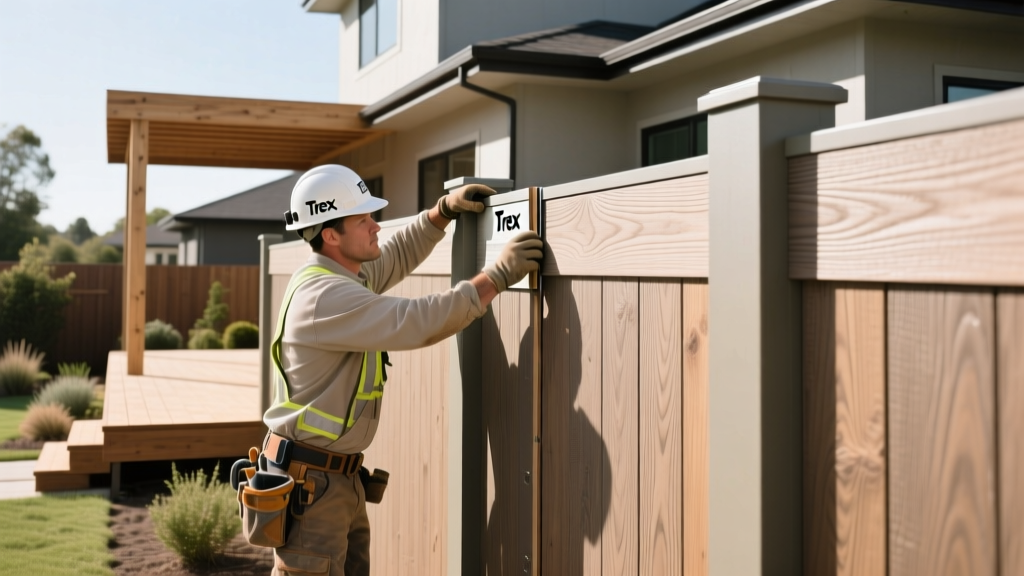
The Trex Seclusions Advantage: Why Choose Composite?
When laying a fence for long-term privacy and minimal upkeep, Trex Seclusions remains the benchmark for composite fencing. Unlike early-generation composites that suffered from fading and structural sagging, the current Seclusions line utilizes a co-extruded outer shell that resists UV degradation and moisture ingress. For contractors and DIYers planning a 2026 installation, understanding the specific engineering of this product line is critical to avoiding the catastrophic failures common with improper composite installation.
Quick Specs & Pricing Snapshot (2026)
- Panel Heights: 6 ft. and 8 ft. (Actual heights include top cap)
- Panel Width: 8 ft. on-center (actual span 92.5 in.)
- Post Dimensions: 5x5 in. nominal (requires 4.5x4.5 in. aluminum insert)
- Material Cost: $48.00 - $67.00 per linear foot
- Installed Cost: $82.00 - $115.00 per linear foot
Material Breakdown: What You Are Actually Buying
Laying a fence with Trex Seclusions is fundamentally different from driving wood posts into the ground. The system relies on a hybrid structural approach: composite aesthetics over an aluminum and steel skeleton.
Posts and Aluminum Inserts
The 5x5 composite post sleeves are purely cosmetic. They possess virtually no structural tensile strength. Every line, corner, and end post must be fitted with a heavy-duty aluminum insert (Model TSECL-POST-INSERT). For gate posts, Trex mandates the use of the reinforced steel gate post insert to handle the dynamic torsional load of a swinging 8-foot composite gate, which can weigh upwards of 130 lbs.
Interlocking Pickets and Rails
The privacy is achieved through 5.5-inch wide pickets that feature a tongue-and-groove interlocking profile. This design hides the fasteners entirely from the exterior face. The top and bottom rails are extruded with a specialized channel that accepts the pickets, capped with a snap-in top rail cover that provides a finished, crown-molding appearance.
Step-by-Step: Laying a Fence with Trex Seclusions
The physical process of laying a fence with this system requires strict adherence to the manufacturer's spacing tolerances. Composite materials expand and contract significantly with temperature fluctuations.
- Layout and String Lines: Set batter boards 12 inches outside your fence line. Run mason lines to establish the exact outside face of the posts. Mark post centers exactly 96 inches apart. Pro Tip: Do not measure from post to post; always measure from a fixed starting point to prevent compounding errors.
- Excavation: Dig post holes to a minimum diameter of 12 inches. Depth must extend 6 inches below your local frost line to prevent frost heave. In northern climates, this often means digging 42 to 48 inches deep.
- Setting the Posts: Place 4 inches of gravel at the base for drainage. Set your pressure-treated 4x4 wood post or steel structural post in the hole. Use a laser level to plumb the post. Pour 5,000 PSI fast-setting concrete, sloping the collar at the top away from the post to shed water.
- Sleeving and Brackets: Slide the aluminum insert over the structural post, followed by the composite sleeve. Attach the Trex heavy-duty steel rail brackets using the provided stainless steel lag screws. Ensure brackets are perfectly level.
- Rail and Picket Assembly: Snap the bottom rail into the brackets. Insert the first picket into the channel, ensuring it rests on the provided bottom rail spacer block. Interlock subsequent pickets. Snap the top rail into place, leaving a 1/4-inch expansion gap at each end before snapping on the top cap.
Cost Matrix: Trex Seclusions vs. Alternatives
When budgeting for laying a fence, initial material costs can be deceptive. The table below compares the true 2026 lifecycle costs and performance metrics of Trex Seclusions against premium wood and cellular PVC.
| Material Line | Material Cost / LF | Expected Lifespan | Maintenance Cycle | Wind Load Rating |
|---|---|---|---|---|
| Trex Seclusions (8ft) | $58.00 | 25-30 Years | Wash only | 110 mph (Category 2) |
| Western Red Cedar | $34.00 | 12-18 Years | Seal every 2-3 yrs | 70 mph |
| Cellular PVC (Trex Horizons equivalent) | $52.00 | 20-25 Years | Wash only | 100 mph |
Engineering and Local Building Codes
Ignoring local building codes is the fastest way to fail an inspection when laying a fence. According to the International Residential Code (IRC) Chapter 18, foundation supports (which includes fence posts acting as lateral cantilevers) must extend below the frost line. Furthermore, in high-velocity hurricane zones (HVHZ), standard composite brackets will fail. You must specify Trex's engineered wind-load brackets, which utilize four fastening points per rail instead of two, and require closer post spacing (typically 6 feet on-center instead of 8 feet).
Warning: Common Installation Failures
- The Concrete Trap: Never embed the composite post sleeve directly into wet concrete. The moisture wicking combined with the alkaline environment of curing concrete will degrade the composite matrix at the base over time. Always use a structural wood or steel post in the concrete, and slide the composite sleeve over it with a 1-inch clearance above grade.
- Rail Sag: Composite rails are heavier than wood and more susceptible to thermal softening. On 8-foot spans, failing to use the mid-rail support block (required for 8ft Seclusions panels) will result in a visible sag within the first summer.
Sourcing and Lead Times in 2026
Unlike standard lumber available at any local yard, Trex Seclusions is a specialized order. As of 2026, supply chain stabilization has improved lead times, but you should still expect a 3 to 5-week delivery window from authorized distributors for custom colors like Winchester Grey or Saddle. The American Fence Association recommends ordering 10% overage on pickets and brackets to account for cutting waste and transit damage, as color-matching a replacement batch six months later can result in noticeable dye-lot variations.
Frequently Asked Questions
Can I install Trex Seclusions on a slope?
Yes, but the system does not rack like chain-link or some wood fences. You must step the panels. Each 8-foot panel can accommodate a maximum 12-inch step. You will need to purchase Trex stair brackets and cut the bottom of the pickets at an angle to maintain a uniform gap above the grade.
Does the color fade over time?
The co-extruded cap layer is highly UV resistant. While it will not chalk or degrade like early composites, all exterior materials experience slight UV mellowing. Expect a maximum 5% color shift in the first 12 weeks as the UV inhibitors activate, after which the color remains stable for decades.
What tools are required for cutting?
Use a 10-inch or 12-inch miter saw with a carbide-tipped blade (minimum 60 teeth). Trex composite cuts similarly to dense hardwood. Score the cut line with a utility knife first to prevent micro-chipping on the outer cap layer.