Metal Fence Gate Durability: Lifespan and Rust Prevention Guide
Analyze the lifespan of metal fence gates by material. Expert insights on rust prevention, hardware failure, powder coating, and maintenance schedules.
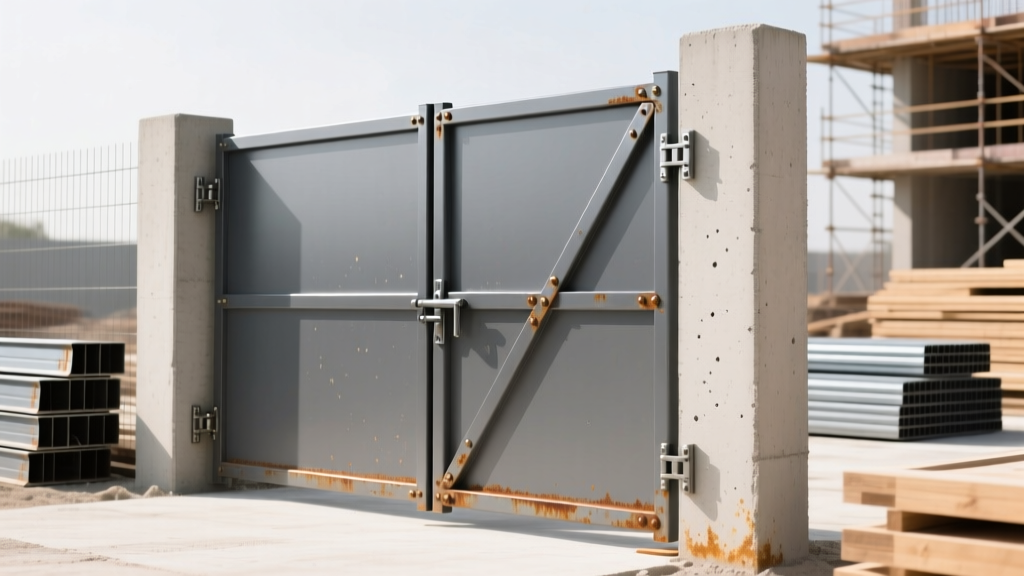
Material Longevity Matrix: Aluminum, Steel, and Wrought Iron
The lifespan of a metal fence gate is rarely determined by the primary pickets or rails. Instead, longevity hinges on the intersection of metallurgical composition, protective coating integrity, and hardware load-bearing capacity. While a well-manufactured aluminum gate can outlast the property it encloses, a poorly coated steel gate in a coastal environment can suffer catastrophic hinge failure within 48 months. Understanding the baseline degradation rates of common gate materials is the first step in specifying a durable perimeter system.
| Material | Base Lifespan | Primary Corrosion Mechanism | Weight (lbs/sq ft) | 2026 Avg Cost (Installed) |
|---|---|---|---|---|
| Extruded Aluminum | 40-60+ Years | Surface Pitting / Chalking | 1.2 - 1.8 | $45 - $85 / sq ft |
| Wrought Iron | 20-30 Years | Surface Rust / Flaking | 3.5 - 5.0 | $70 - $120 / sq ft |
| Tubular Steel | 15-25 Years | Internal / External Rust | 2.5 - 4.0 | $55 - $95 / sq ft |
Aluminum naturally forms a microscopic oxide layer that halts further corrosion, making it the undisputed leader in wet environments. However, it lacks the sheer tensile strength of steel, requiring thicker extrusion profiles (minimum 0.125-inch wall thickness) for wide driveway gates to prevent bowing. Wrought iron offers superior aesthetic mass and security but requires aggressive, recurring maintenance to prevent the iron oxide cascade that ultimately compromises structural welds.
The Weakest Link: Hardware, Torque, and Post Deflection
The mechanical stress on a metal fence gate is highly asymmetrical. A standard 6-foot wide by 6-foot high tubular steel gate weighs approximately 140 lbs. When extended to the latch, this creates immense leverage. The top hinge bears the entirety of the tensile load (pulling away from the post), while the bottom hinge handles compressive shear. Using standard zinc-plated lag screws—commonly found in retail hinge kits—results in zinc oxide degradation and screw shear within three to five years.
For permanent, high-durability installations, specify 3/8-inch diameter hot-dip galvanized or 304 stainless steel carriage bolts with through-hole backing plates. In coastal zones (within 5 miles of saltwater), upgrade exclusively to 316 marine-grade stainless steel hardware to prevent galvanic corrosion and crevice rusting. Furthermore, the hinge post must be set in a minimum 12-inch diameter Sonotube footing, extending 36 inches below the local frost line, and encased in 3000 PSI concrete. A post that deflects even 2 degrees from plumb will accelerate hinge wear and cause the gate to drag on the grade.
Coating Technologies and ASTM Degradation Standards
Surface preparation and coating application dictate 80 percent of a metal gate's functional lifespan. The two dominant protection methods are Hot-Dip Galvanizing (HDG) and Thermoset Powder Coating.
According to the American Galvanizers Association, a standard 3.9-mil zinc coating applied to structural steel (per ASTM A123 standards) provides 50 to 75 years of maintenance-free corrosion protection in rural environments, dropping to 15 to 20 years in heavy industrial zones. HDG provides cathodic protection, meaning the zinc will sacrificially corrode to protect the underlying steel even if the coating is deeply scratched.
Powder coating (typically TGIC polyester applied at 2.0 to 3.0 mils) offers superior UV resistance, color retention, and aesthetic versatility. However, it lacks sacrificial properties. If a powder-coated gate is scratched down to bare metal, moisture will infiltrate and cause rust to creep beneath the coating—a failure mode known as undercutting. The optimal specification for high-end steel gates in harsh environments is a duplex system: a hot-dip galvanized base layer topped with a UV-stable powder coat, which can extend the time to first maintenance by a factor of 1.5 to 2.0.
Never mount aluminum gate panels directly to steel posts using carbon steel screws. The dissimilar metals, combined with an electrolyte (rainwater or humidity), create a galvanic cell that will rapidly corrode the aluminum at the contact points. Always use dielectric nylon washers and 300-series stainless steel fasteners to physically isolate the dissimilar metals.
Environmental Threat Profiles
Not all rust is created equal. The rate of degradation depends heavily on the localized microclimate surrounding the fence line.
- Coastal / Marine (Zone C4-C5): Airborne chlorides accelerate pitting in aluminum and cause rapid red rust in steel. Requires 316 stainless hardware, marine-grade aluminum alloys (like 5052 or 6061-T6), and duplex coating systems.
- Industrial (Zone C4): Sulfur dioxide and acid rain lower the pH of surface moisture, stripping zinc layers and degrading powder coats. Requires thicker HDG applications (minimum 4.5 mils) and chemical-resistant fluoropolymer topcoats.
- High-Humidity / Tropical (Zone C3): Constant moisture without drying cycles promotes mold growth on organic debris trapped in gate channels, leading to localized moisture retention and accelerated coating breakdown.
Actionable Maintenance and Sag Correction Protocol
Preventative maintenance for metal gates should focus on mechanical friction points and coating preservation rather than the primary structural members.
- Quarterly Hardware Lubrication: Inspect drop rods, auto-catch mechanisms, and hinge barrels. Lubricate exclusively with a PTFE (Teflon) dry lubricant. Never use WD-40, lithium grease, or oil-based products, as these attract abrasive silica dust that acts as a grinding compound inside the hinge barrel.
- Annual Sag Assessment: Measure the gap between the latch side of the gate and the latch post. A drop of more than 1/4 inch on a 6-foot gate indicates top hinge stretch or post deflection. Install a heavy-duty steel anti-sag cable with a turnbuckle on the tension diagonal (running from the top hinge corner down to the bottom latch corner) and tighten until the gate is perfectly level.
- Bi-Annual Coating Inspection: Check the bottom rail and weld joints for micro-fractures in the powder coat. Touch up any breaches immediately with a zinc-rich cold galvanizing compound followed by a color-matched epoxy enamel.
When dealing with existing rust spots, proper surface preparation is non-negotiable. The Association for Materials Protection and Performance (AMPP) notes that applying paint over poorly prepared rust guarantees rapid failure. Mechanical abrasion to SSPC-SP 3 (Power Tool Cleaning) standards using a wire cup brush is mandatory to remove all loose scale before applying primers.
Repair vs. Replace: Structural Integrity Thresholds
Determining when a metal fence gate has reached the end of its serviceable life requires evaluating structural integrity over cosmetic flaws. Surface rust on a wrought iron gate can be sandblasted and repainted indefinitely. However, specific failure modes dictate immediate replacement:
- Internal Rust-Out: Tubular steel gates that lack weep holes at the bottom corners will trap condensation and rainwater inside the rails. This causes the metal to rust from the inside out. If the bottom rail feels soft to the touch or shows blistering paint, the structural wall thickness is compromised beyond repair.
- Weld Pitting: If the MIG or TIG welds at the primary stress points (hinge stiles and bottom rail corners) show pitting deeper than 1/16 inch, the gate is at risk of catastrophic snapping under wind load or physical impact.
- Severe Post Deflection: If the hinge post has leaned more than 3 degrees due to frost heave or soil erosion, simply adjusting the hinges will bind the mechanism. The concrete footing must be excavated and replaced, which often costs more than fabricating a new gate assembly.
By specifying the correct alloy for the environment, utilizing marine-grade through-bolted hardware, and enforcing a strict PTFE lubrication schedule, property owners can easily push the functional lifespan of a metal fence gate past the 40-year mark, minimizing lifetime perimeter costs.