How Long Do Laminate Flooring Floorboards Last? A Durability Analysis
Discover the true lifespan of laminate flooring floorboards. We analyze AC ratings, wear layers, and real-world durability to help you choose wisely.
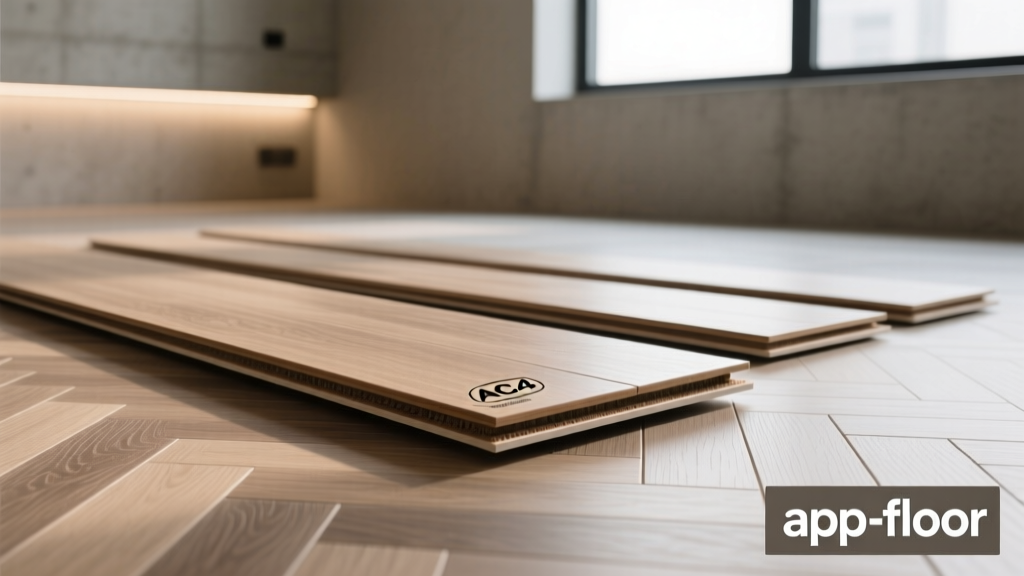
The Anatomy of Laminate Flooring Floorboard Durability
Laminate flooring floorboards offer a high-definition aesthetic at a fraction of the cost of solid hardwood, but their longevity is entirely dependent on their engineered layers. While manufacturers frequently market "lifetime" warranties, the actual functional lifespan of these floorboards ranges from 10 to 25 years. This variance is dictated by traffic volume, core board density, and strict adherence to environmental controls. To understand how long your floor will survive, you must first deconstruct its four-layer composition.
The Wear Layer: Aluminum Oxide Defense
The topmost layer is a transparent, durable finish typically composed of melamine resin infused with aluminum oxide particles. This layer dictates scratch and stain resistance. Premium laminate flooring floorboards utilize multiple coats of aluminum oxide, cured under high-pressure UV light, creating a surface hardness that rivals commercial-grade ceramics. When this layer degrades, the decorative paper beneath becomes vulnerable to immediate destruction.
Core Board Density: HDF vs. MDF
Directly beneath the decorative layer sits the core board. High-Density Fiberboard (HDF) is the industry standard for durable laminate, boasting a density of 800 to 950 kg/m³. Medium-Density Fiberboard (MDF), often found in budget-friendly options under $1.50 per square foot, has a lower density (600-700 kg/m³) and is highly susceptible to indentation from heavy furniture and rapid moisture swelling. For a floorboard to exceed a 15-year lifespan in a high-traffic residential setting, an HDF core with a minimum density of 850 kg/m³ is non-negotiable.
Decoding AC Ratings: The Industry Standard for Lifespan
The most reliable metric for predicting the lifespan of laminate flooring floorboards is the Abrasion Criteria (AC) rating, governed by the EN 13329 standard. This rigorous testing protocol subjects the floorboards to abrasion, impact, staining, and moisture resistance tests. According to the North American Laminate Flooring Association (NALFA), selecting the correct AC rating for your specific environment is the primary determinant of longevity.
| AC Rating | Classification | Expected Lifespan | Ideal Application |
|---|---|---|---|
| AC3 | Residential Heavy Traffic | 10 - 15 Years | Bedrooms, living rooms, home offices |
| AC4 | Commercial Light Traffic | 15 - 20 Years | Kitchens, hallways, small retail boutiques |
| AC5 | Commercial Heavy Traffic | 20 - 25+ Years | Large families, entryways, busy commercial spaces |
| AC6 | Extreme Commercial | 25+ Years | Warehouses, high-volume public buildings |
Real-World Failure Modes: Why Laminate Floorboards Degrade
Understanding how laminate fails allows you to preemptively address vulnerabilities. The vast majority of laminate flooring floorboards do not fail due to surface wear; they fail structurally or environmentally.
Hydrostatic pressure and ambient humidity are the primary enemies of laminate. When water penetrates the micro-gaps between floorboards, the HDF core acts like a sponge. This causes "edge swelling" or "peaking," where the seams lift and lock out permanently. Once the core expands, it will not return to its original dimensions, requiring complete board replacement.
Subfloor Deflection and Joint Separation
Laminate floorboards utilize a click-lock floating mechanism. If the underlying subfloor is not properly leveled, the boards will flex under foot traffic. The industry tolerance for subfloor flatness is no more than 3mm of deviation over a 3-meter span. Exceeding this tolerance causes sheer stress on the locking joints, eventually snapping the high-density fiberboard tongues and causing permanent gaps between the floorboards.
Micro-Abrasion and Gloss Loss
While aluminum oxide prevents deep scratches, it is vulnerable to micro-abrasions from fine silica sand and grit. Over 5 to 7 years, continuous friction from un-swept grit will wear down the textured embossing, leaving high-traffic pathways looking smooth, dull, and visibly distinct from the perimeter of the room.
Extending the Lifespan: Maintenance Protocols
Proper maintenance can easily add 5 to 10 years to the life of your laminate flooring floorboards. The goal is to clean without introducing excess moisture or altering the chemical balance of the wear layer.
- Use pH-Neutral Cleaners: Stick to cleaners with a pH between 6.5 and 7.5. Highly alkaline or acidic cleaners will strip the melamine resin over time. The EPA Safer Choice program maintains a database of certified neutral cleaning products that are safe for engineered surfaces.
- Ban Steam Mops: Steam mops force vaporized water under high pressure directly into the floorboard seams. This bypasses the surface wear layer and instantly attacks the HDF core.
- Dry Dusting Over Wet Mopping: Use a microfiber dust mop daily to capture abrasive silica. When wet mopping is necessary, use a well-wrung mop that leaves the surface dry within 30 seconds.
- Felt Pads and Load Distribution: Equip all heavy furniture with wide-base felt pads. Concentrated point loads from narrow chair legs can exceed the compression strength of even the densest HDF cores, leaving permanent dents.
Cost vs. Lifespan: The ROI of Upgrading to AC4/AC5 in 2026
When budgeting for laminate flooring floorboards, evaluating the cost per year of usable life provides a clearer picture than the upfront square-foot price. In the current 2026 market, an AC3 rated board typically costs between $1.50 and $2.50 per square foot. An AC5 rated board ranges from $3.50 to $5.50 per square foot.
While the AC5 option requires a 100% higher initial material investment, it offers up to a 65% longer lifespan. In a high-traffic kitchen or entryway, an AC3 floorboard may require replacement after 12 years due to joint failure and edge swelling. An AC5 floorboard, featuring a denser core and thicker aluminum oxide coating, will easily reach the 22-year mark. Factoring in the labor costs of removal and reinstallation—which often equal or exceed the material costs—upgrading to an AC4 or AC5 laminate is the most financially sound decision for long-term residential durability.
Frequently Asked Questions
Can laminate flooring floorboards be sanded or refinished?
No. Unlike solid hardwood, the decorative layer of laminate is a printed photograph sealed under a thin resin coating. Sanding will immediately destroy the visual layer and expose the raw HDF core, ruining the floorboard. Deep scratches must be addressed with color-matched wax fillers or by replacing the individual board.
Does the thickness of the floorboard dictate its durability?
Thickness (typically ranging from 7mm to 14mm) impacts acoustic performance and subfloor bridging, but it does not directly correlate to surface durability. A 7mm AC5 floorboard will resist scratches and dents far better than a 14mm AC3 floorboard. Always prioritize the AC rating and core density over overall thickness.
How do I protect laminate floorboards from pet claws?
Keep pet nails trimmed and filed smooth. For large dog breeds, opt exclusively for AC4 or AC5 rated floorboards with a textured, embossed-in-register (EIR) surface. The texture helps mask minor micro-scratches that inevitably occur, whereas high-gloss laminate finishes will show pet scratches almost immediately.