Magic Carpet Flooring: Durability and Lifespan Analysis
Analyze the durability and expected lifespan of Magic Carpet modular tiles and synthetic turf. Compare wear layers, UV resistance, and costs.
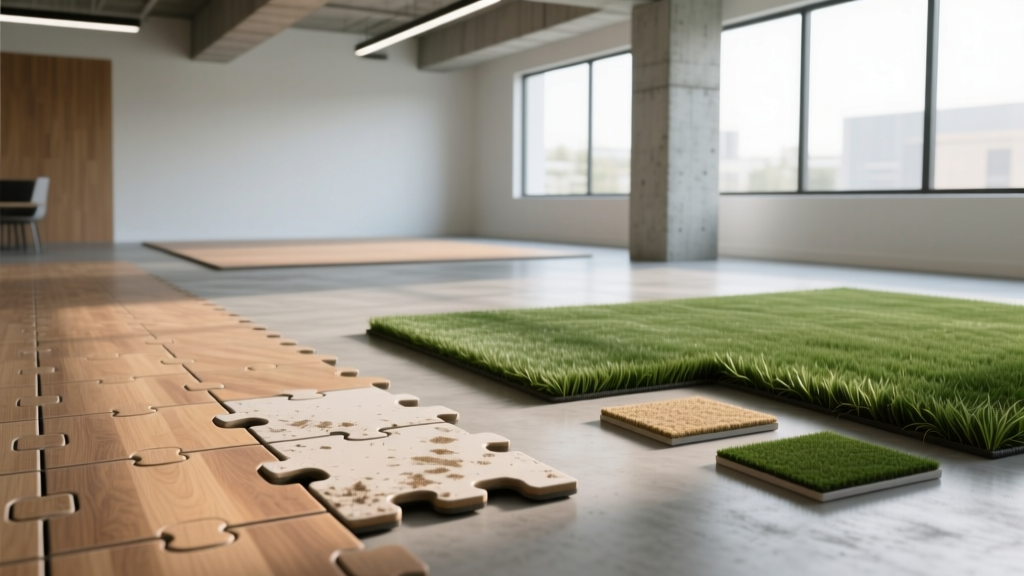
When evaluating modular flooring solutions for high-traffic commercial spaces, residential basements, or transitional indoor-outdoor zones, Magic Carpet flooring—specifically their interlocking modular carpet tiles and synthetic turf systems—presents a unique value proposition. Unlike traditional broadloom carpet, which requires full replacement upon localized damage, modular systems offer targeted maintenance. However, the true measure of any flooring material lies in its structural resilience and lifecycle longevity. This analysis breaks down the material science, failure modes, and real-world lifespan expectations of Magic Carpet flooring systems.
Material Composition and Wear Layer Mechanics
The durability of Magic Carpet modular tiles is dictated by their fiber composition and backing architecture. The majority of these tiles utilize solution-dyed polypropylene (olefin) or Nylon 6,6 fibers. While Nylon 6,6 offers superior resilience and memory (bouncing back after heavy compression), polypropylene is inherently hydrophobic, making it nearly impervious to water-based stains and ideal for damp environments like basements or covered patios.
The face weight of the carpet tile directly correlates to its abrasion resistance. Standard commercial Magic Carpet tiles typically feature a face weight of 20 to 24 ounces per square yard, while heavy-duty variants push this to 32 ounces per square yard. The backing is equally critical; high-end models utilize a high-density polyurethane cushion backing rather than standard bitumen or PVC. Polyurethane backings absorb impact energy, reducing the crushing force on the face fibers by up to 40%, which significantly extends the aesthetic lifespan of the pile.
When specifying Magic Carpet tiles for heavy rolling-load environments (e.g., office chairs, hospital carts), verify the tuft bind strength. According to testing guidelines referenced by the Carpet and Rug Institute (CRI), a minimum tuft bind of 6.8 pounds is required for commercial applications to prevent fiber shedding and premature wear tracking.
Lifespan Matrix: Environment vs. Longevity
The expected lifespan of Magic Carpet flooring is not a static number; it fluctuates wildly based on environmental stressors and foot traffic volume. Below is a lifecycle matrix based on field performance data and manufacturer specifications.
| Application Environment | Expected Lifespan | Primary Degradation Factor | Maintenance Interval |
|---|---|---|---|
| Indoor Low Traffic (Residential) | 12 - 15 Years | Fiber matting, localized staining | 18 - 24 Months |
| Indoor High Traffic (Commercial) | 7 - 10 Years | Compression crushing, seam fraying | 6 - 12 Months |
| Covered Outdoor (Patios/Balconies) | 5 - 8 Years | Humidity-induced backing hydrolysis | 12 Months |
| Exposed Outdoor (Synthetic Turf) | 8 - 12 Years | UV degradation, infill compaction | Biannual grooming |
Critical Failure Modes and Edge Cases
Understanding how Magic Carpet flooring fails allows for proactive mitigation. The most common structural failures do not occur on the surface fibers, but rather at the seams and the backing layer.
1. Backing Hydrolysis and Delamination
When installed in below-grade environments (basements) without proper moisture mitigation, concrete subfloors can emit alkaline moisture. If the pH of the moisture exceeds 9.0, it will chemically break down the adhesive bonding the primary and secondary backing layers. This results in delamination, where the carpet face separates from the rigid tile base. Always perform an anhydrous calcium chloride test per ASTM F1869 standards before installation; moisture emission must not exceed 4.5 lbs per 1,000 sq ft per 24 hours.
2. Seam Peaking in Fluctuating Temperatures
In transitional spaces like sunrooms or enclosed porches, temperature swings cause the PVC or bitumen backing to expand and contract at a different rate than the concrete subfloor. This differential movement forces the tile edges upward, creating a tripping hazard known as 'peaking.' To prevent this, specify tiles with a fiberglass-reinforced dimensional stability layer, which restricts thermal expansion to less than 0.05%.
3. UV Degradation in Non-Stabilized Variants
For Magic Carpet synthetic turf or outdoor-rated tiles, ultraviolet radiation is the primary enemy. Unstabilized polypropylene will become brittle and fracture within 18 months of direct sun exposure. Ensure the product specification sheet explicitly lists UV inhibitors (such as carbon black or hindered amine light stabilizers - HALS) integrated into the polymer melt, not just applied as a topical coating.
Installation Variables That Dictate Longevity
The lifespan of modular carpet is heavily dependent on the installation method. While loose-lay installations are marketed for their ease, they inherently reduce the functional lifespan of the floor in high-traffic zones.
- Full-Spread Adhesive: Provides the maximum lifespan (15+ years). By bonding the entire backing to the subfloor, it eliminates lateral movement, preventing seam separation and edge raveling.
- Perimeter Adhesive / Dots: Reduces lifespan to 7-10 years. Allows for minor shifting under heavy rolling loads, which accelerates wear at the tile intersections.
- Interlocking / Loose-Lay: Yields a functional lifespan of 3-5 years in commercial settings. The constant micro-movements of the tiles cause the fiberglass backing to fatigue and the edges to fray.
Lifecycle Cost and ROI Analysis
As of 2026, the initial material cost for premium Magic Carpet modular tiles ranges from $3.50 to $6.00 per square foot, which is roughly 20% higher than mid-grade broadloom carpet. However, the Return on Investment (ROI) is realized in the maintenance and replacement phases.
In a 5,000 square foot commercial office, a localized coffee stain or rolling-chair tear on broadloom carpet requires a $12,000 full-floor replacement. With Magic Carpet modular tiles, the facility manager simply swaps out the 3 affected tiles for less than $25 in material costs, preserving the overall floor aesthetic and extending the replacement cycle by an average of 4.5 years.
When calculating the Total Cost of Ownership (TCO) over a 15-year period, modular systems consistently outperform broadloom by 18% to 22% due to the elimination of premature full-floor replacements. For environmental impact tracking, the EPA's guidelines on greener products highlight modular flooring's advantage in waste reduction, as only damaged sections enter the waste stream rather than entire rolls of carpet.
Maintenance Protocols for Maximum Durability
To push Magic Carpet flooring to the upper limits of its lifespan matrix, facility managers and homeowners must adhere to strict chemical and mechanical maintenance protocols.
- Daily Dry Soil Removal: Use a commercial-grade upright vacuum with a beater bar. Removing abrasive silica dust daily prevents it from being ground into the fiber base, which acts like sandpaper and severs the polypropylene strands.
- pH-Neutral Extraction Cleaning: When performing hot water extraction, strictly use cleaning agents with a pH between 7.0 and 8.5. High-alkaline cleaners (pH > 10) will strip the factory-applied fluorochemical stain-resistant treatments and accelerate backing hydrolysis.
- Seam Inspection: Biannually inspect the tile intersections. If edge raveling is detected, apply a specialized carpet seam sealer (a latex-based edge coating) to lock the tufts in place and prevent the damage from migrating across the tile.
- Load Distribution: Under heavy static loads (e.g., server racks, heavy safes, large conference tables), place 1/4-inch tempered hardboard or polycarbonate load spreaders beneath the feet to prevent permanent backing compression and fiber crushing.
By understanding the material science behind Magic Carpet modular systems and adhering to rigorous subfloor preparation and maintenance standards, property owners can maximize both the functional durability and the aesthetic lifespan of their flooring investment.