Cedar Shingles Maintenance: The Complete Cleaning Playbook
Master cedar shingles maintenance with our expert cleaning playbook. Learn low-pressure washing, chemical treatments, and preservative oil applications.
The Biology of Cedar Degradation
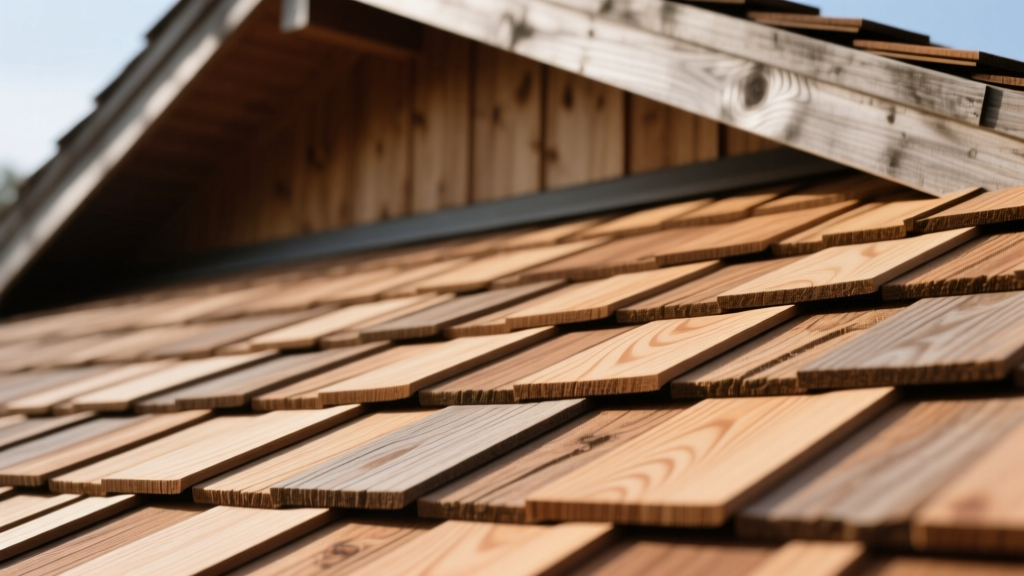
Western Red Cedar and Alaskan Yellow Cedar are naturally fortified with thujaplicin and water-soluble tannins, which act as built-in fungicides and insect repellents. However, these natural defenses are not infinite. Ultraviolet (UV) radiation breaks down the surface lignin, turning the wood gray, while continuous moisture leaches the protective tannins out of the wood grain. Once the tannins are depleted, the cedar becomes highly susceptible to Gloeocapsa magma (black algae), mildew, and Cladonia (lichen). According to the Cedar Shake and Shingle Bureau, failing to remove these biological growths allows moisture to become trapped against the wood, accelerating cupping, splitting, and eventual rot.
Pre-Cleaning Inspection Matrix
Before applying any water or chemicals to your roof, conduct a structural and biological assessment. Use this decision matrix to determine if your roof is a candidate for cleaning or requires immediate carpentry repairs.
| Symptom Observed | Underlying Cause | Required Action Before Cleaning |
|---|---|---|
| Deep black streaking | Gloeocapsa magma algae feeding on limestone fillers or moisture | Proceed with oxygen bleach soft-wash protocol. |
| Green, flaky patches | Lichen or moss establishing root-like rhizines in the wood grain | Apply specialized algaecide; do not scrape dry (will tear wood fibers). |
| Shingle cupping or curling | Moisture imbalance (wet bottom, dry top) or failing underlayment | Consult a roofer; cleaning will not reverse physical deformation. |
| White, chalky residue | Tannin bleeding or efflorescence from previous chemical misuse | Neutralize with mild oxalic acid solution before standard washing. |
The 4-Step Low-Pressure Soft Wash Protocol
The most common mistake homeowners make is using high-pressure water to blast away algae. Research from the USDA Forest Products Laboratory indicates that pressure washing above 500 PSI permanently scars the soft earlywood of cedar shingles, exposing the porous end-grain and reducing the roof's lifespan by up to 30%.
- Dry Debris Removal: Use a leaf blower on a low setting to clear pine needles, leaves, and branches from the roof valleys and gutters. Trapped organic matter holds moisture and acts as a breeding ground for rot.
- Pre-Wet the Flora: Thoroughly soak all surrounding landscaping, shrubs, and grass with plain water. This dilutes any accidental chemical overspray and prevents cellular damage to your plants.
- Apply the Cleaning Solution: Using a 12-volt soft-wash pump, apply your chosen cleaning solution (detailed below) from the ridge down to the eaves. Allow the solution to dwell for 15 to 20 minutes. The surface should remain wet; if it begins to dry, mist it lightly with water. Do not let the chemical dry on the wood.
- Low-Pressure Rinse: Rinse the roof using a garden hose or a soft-wash system set to under 500 PSI. Keep the nozzle at least 3 feet away from the shingles and spray at a downward angle to prevent forcing water up under the shingle overlaps.
Chemical Selection: Algaecides vs. Oxygen Bleach
Selecting the correct chemical is paramount. Chlorine bleach (sodium hypochlorite) is highly effective at killing algae, but it is aggressively alkaline. It strips the natural oils from cedar, accelerates lignin degradation, and causes severe tannin bleeding. For routine maintenance, oxygen-based cleaners are the industry standard.
| Chemical Agent | Active Ingredient | Pros | Cons |
|---|---|---|---|
| Oxygen Bleach | Sodium Percarbonate | Safe for wood fibers; no tannin bleeding; eco-friendly; breaks down into oxygen and water. | Requires warm water to activate; slower kill time on heavy moss. |
| Chlorine Bleach | Sodium Hypochlorite | Fast-acting; cheap; highly effective on severe black algae. | Destroys wood lignin; causes tannin bleed; toxic to landscaping. |
| Zinc/Copper Sulfate | Metallic Sulfates | Excellent long-term preventative; leaves a residual inhibiting layer. | Can stain light-colored masonry; toxic to aquatic life if gutters drain to streams. |
Expert Mixing Tip: For a standard sodium percarbonate (oxygen bleach) mix, dissolve 1 pound of powdered sodium percarbonate into 2 gallons of warm water (90°F to 105°F). Add 2 ounces of a non-ammonia liquid dish soap as a surfactant to help the solution cling to the steep pitch of the roof.
Restoring Tannins: Preservative Oils and Stains
Cleaning removes biological growth, but it does not restore the UV-blocking tannins and oils that keep the shingles pliable and water-resistant. If your cedar shingles have turned completely silver-gray and you wish to restore their original honey-brown hue, you must apply a penetrating preservative oil. Film-forming finishes (like standard exterior polyurethane or solid acrylic stains) should never be used on cedar roofs; they trap moisture inside the wood and will peel, requiring expensive mechanical scraping.
Look for semi-transparent, oil-based penetrating stains specifically formulated for cedar roofing. Top-tier products in 2026 include the TWP 1500 Series and Amteco TWP. These formulations contain high levels of trans-oxide pigments, which block UV rays without obscuring the wood grain, alongside mildewcides to prevent future biological growth.
Application Rules for Penetrating Oils
- Moisture Content: The wood must be completely dry. Use a pinless moisture meter to ensure the cedar's internal moisture content is below 15% before applying any oil.
- Temperature Window: Apply only when ambient temperatures are between 50°F and 85°F, and when no rain is forecasted for at least 48 hours.
- Application Method: Use an airless sprayer with a 0.015 to 0.019-inch tip for the initial coat, followed immediately by back-brushing with a wide masonry brush to work the oil deep into the end-grain and prevent lap marks.
2026 Cost Breakdown: DIY vs. Professional Maintenance
Maintaining a cedar roof is an investment. Understanding the current market rates helps you budget accurately and avoid contractor upcharges.
| Service Type | Average Cost (per sq. ft.) | Typical Total (2,000 sq. ft. roof) | What is Included |
|---|---|---|---|
| DIY Soft-Wash Cleaning | $0.05 - $0.10 | $100 - $200 | Materials only (sodium percarbonate, surfactant, pump sprayer). |
| Professional Soft-Wash | $0.35 - $0.55 | $700 - $1,100 | Labor, commercial soft-wash equipment, biodegradable algaecides, landscaping protection. |
| Professional Oil Treatment | $0.85 - $1.40 | $1,700 - $2,800 | Light cleaning, moisture testing, commercial spraying of TWP or Amteco penetrating oils. |
| Moss Scraping & Zinc Strip Install | $1.50 - $2.50 | $3,000 - $5,000 | Manual moss removal (no pressure), installation of 99.9% pure zinc ridge strips. |
Long-Term Preventative Strategies
To extend the intervals between major cleanings, install 99.9% pure zinc or copper strips just below the ridge cap. As rain washes over the metal, it carries microscopic metallic ions down the roof pitch, creating an environment where algae and moss cannot survive. A standard 3-inch wide zinc strip will protect approximately 15 feet of roof slope below it. For roofs wider than 15 feet from ridge to eave, install a secondary strip halfway down the roof pitch. Combine this with annual gutter clearing and bi-annual visual inspections from the ground using binoculars to catch localized biological growth before it compromises the cedar's structural integrity.