When to Choose a Fiberglass Shower Pan: Scenario Matching Guide
Discover when a fiberglass shower pan is the best choice for your bathroom remodel. Compare costs, weight limits, and ideal installation scenarios.
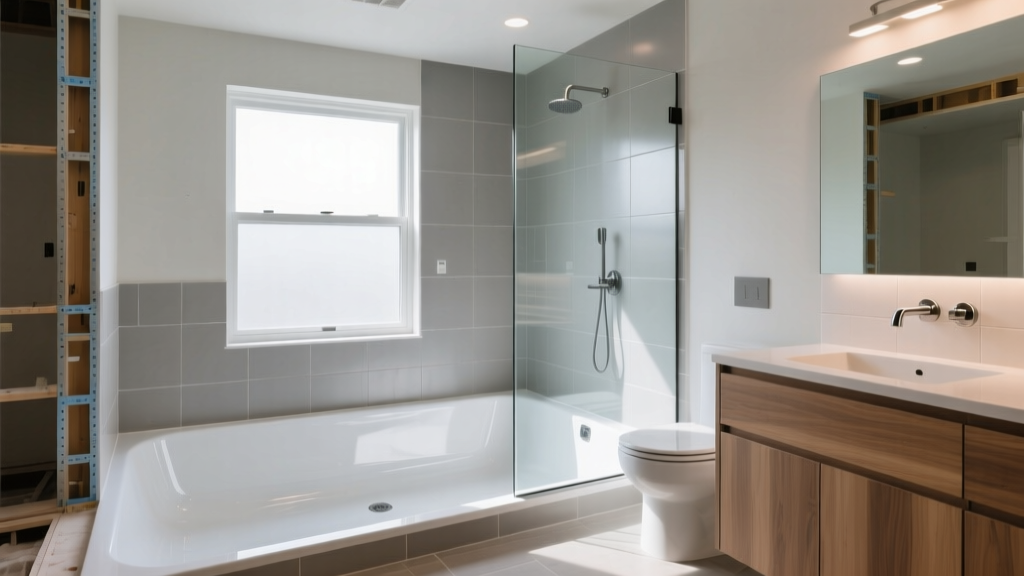
Selecting the right shower base requires balancing structural constraints, budget, and long-term maintenance. While tile and solid surface materials dominate luxury renovations, the fiberglass shower pan remains a cornerstone of modern residential and commercial construction. As a composite material relying on E-glass fibers for tensile strength and a polymer resin matrix for compressive rigidity, fiberglass offers a unique performance profile. This guide breaks down the exact scenarios where a fiberglass shower pan is the optimal application-fit, and where you should specify alternative materials.
The Anatomy of a Fiberglass Shower Pan
To understand its application limits, you must understand its composition. A high-quality fiberglass shower pan is not a single piece of plastic; it is a laminated composite. The structural core utilizes chopped strand mat (CSM) and woven roving made from E-glass (alumino-borosilicate glass fibers). These glass fibers are suspended in a thermoset polyester or vinyl ester resin. The visible surface is a pigmented gelcoat layer, typically 15 to 20 mils thick, which provides waterproofing and UV/chemical resistance.
This glass-fiber reinforcement is what allows a standard 36-by-60-inch alcove pan to support dynamic loads of up to 300 pounds while weighing less than 50 pounds itself. However, the resin matrix is susceptible to flexing if the subfloor support is inadequate, which dictates its installation requirements.
Scenario Matching: Where Fiberglass Pans Excel
Use the following decision matrix to determine if fiberglass aligns with your specific project parameters.
| Project Scenario | Fiberglass Suitability | Primary Advantage | Alternative Material |
|---|---|---|---|
| Upper-Floor / Multi-Story Bathrooms | Excellent | Low dead load reduces joist deflection | Cast Iron, Poured Concrete |
| Mid-Tier Rental Properties | Excellent | Low replacement cost, easy gelcoat repair | Custom Tile, Natural Stone |
| ADA-Compliant Barrier-Free Wet Rooms | Good | Pre-sloped, seamless ramp integration | Solid Surface, Epoxy Terrazzo |
| Luxury Custom Primary Suites | Poor | N/A (Lacks premium tactile feel) | Stone Resin, Solid Surface |
| High-Traffic Commercial Gyms | Fair | N/A (Gelcoat wears under heavy abuse) | Stainless Steel, Terrazzo |
Scenario 1: Upper-Floor and Multi-Story Bathrooms
When designing a bathroom on a second or third story, structural dead load is a critical constraint. Building codes typically require floor joists to meet an L/360 deflection limit. A standard 36x60-inch cast iron shower pan weighs between 280 and 340 pounds. When you add the weight of the user, water, and glass enclosures, the localized point load can cause joist sagging over time, leading to cracked drywall and popped tiles in the room below.
A comparable fiberglass shower pan weighs between 35 and 55 pounds. This massive reduction in dead load makes fiberglass the definitive choice for upper-floor retrofits where sistering floor joists or adding structural steel beams is cost-prohibitive. According to structural guidelines referenced by the National Association of Home Builders, minimizing point loads on engineered wood I-joists is critical for preventing long-term floor squeaks and deflection.
Scenario 2: High-Volume Rental Properties
For property managers and house flippers, the fiberglass shower pan offers the highest return on investment. The primary failure point of a tiled shower in a rental is not the tile itself, but the grout and waterproofing membrane, which require expensive, labor-intensive teardowns when they fail. Fiberglass pans are monolithic and seamless, eliminating grout lines in the splash zone.
Furthermore, minor surface scratches on a fiberglass gelcoat can be wet-sanded and buffed out with automotive polishing compounds for under $20 in materials. If a tenant drops a heavy shampoo bottle and chips an acrylic or solid surface pan, the repair is often visible or requires professional filling. Fiberglass strikes the perfect balance: it is cheap enough to replace entirely if catastrophically damaged (average unit cost: $180 to $350), but durable enough to survive years of standard tenant use.
Scenario 3: ADA-Compliant and Barrier-Free Wet Rooms
Designing for aging-in-place or commercial accessibility requires strict adherence to slope and threshold regulations. The ADA Design Standards mandate that roll-in shower floors must not exceed a slope of 1:48 (1/4 inch per foot) to accommodate wheelchairs safely. Achieving this precise, gentle slope with a traditional mortar bed and tile requires a highly skilled mason and extensive labor hours.
Manufactured fiberglass barrier-free pans come with the 1:48 slope precisely molded into the structural foam or composite core. Models featuring integrated ramp thresholds and reinforced grab-bar backing blocks allow contractors to achieve code compliance in a fraction of the time. For a 36x60-inch ADA roll-in shower, a pre-sloped fiberglass pan reduces installation time from three days (framing, sloping, waterproofing, tiling) to roughly four hours.
When to Avoid Fiberglass (The Dealbreakers)
Additionally, avoid fiberglass in scenarios involving radiant floor heating systems that extend into the shower pan. The thermal expansion coefficients of the polyester resin and the E-glass fibers differ from the surrounding concrete or heating elements, which can lead to delamination or micro-blistering of the gelcoat over repeated heating cycles.
Installation Substrate Requirements and Failure Modes
The most common cause of fiberglass shower pan failure is not a defect in the glass-fiber composite, but improper subfloor preparation. Fiberglass pans are designed to be supported across their entire underside. If installed directly onto wooden subflooring with only the perimeter flanges resting on the joists, the center of the pan will flex under human weight.
The 'Spider Crack' Phenomenon
This repetitive flexing causes 'spider cracking'—a network of micro-fractures in the gelcoat, usually radiating from the drain assembly. Once the gelcoat is compromised, water infiltrates the fiberglass mat, leading to delamination and structural softening.
The Correct Mortar Bed Protocol
To prevent flexing, the pan must be set in a bed of mortar. However, the type of mortar is critical:
- Do NOT use expanding spray foam: While some manufacturers historically suggested polyurethane foam, it compresses under sustained static loads and loses its structural rigidity over time.
- Do NOT use standard thinset: Thinset is designed for adhesion, not bulk structural support. It will shrink and crack when applied in the 1-to-2-inch thicknesses required under a shower pan.
- DO use a sand-mix or deck mud: A 5:1 ratio of sand to Portland cement, or a pre-bagged gypsum-based setting compound (like StructoLite), provides a non-shrinking, load-bearing bed that perfectly conforms to the underside of the fiberglass pan.
Expert Tip: When setting the pan in the mortar bed, fill the pan with 100 pounds of sand or water immediately after placement. This static load forces the fiberglass pan down into the mortar, ensuring 100% contact and eliminating any air voids that could lead to future flexing.
Cost Variables and Long-Term Maintenance
As of current market conditions, the material cost for a standard fiberglass alcove pan ranges from $150 for basic builder-grade models to $450 for models with integrated tile flanges and reinforced aprons. Custom or ADA-compliant barrier-free models range from $800 to $1,600.
Labor costs for installation are significantly lower than tiled alternatives. A plumber or carpenter can set a fiberglass pan, connect the drain, and seal the flanges in approximately two hours, compared to the multi-trade coordination required for a tiled shower base (carpenter for framing, plumber for drain, mason for slope and tile, and a waterproofer for the membrane). For projects where speed-to-market is the primary KPI, the fiberglass shower pan remains an unmatched application fit.