Faux Stone Veneer Panels Exterior: 2026 Comparison
Compare top faux stone veneer panels exterior brands for 2026. Analyze GenStone, NextStone, and Novik for cost, R-value, and moisture management.

The Material Science of Synthetic Stone Cladding
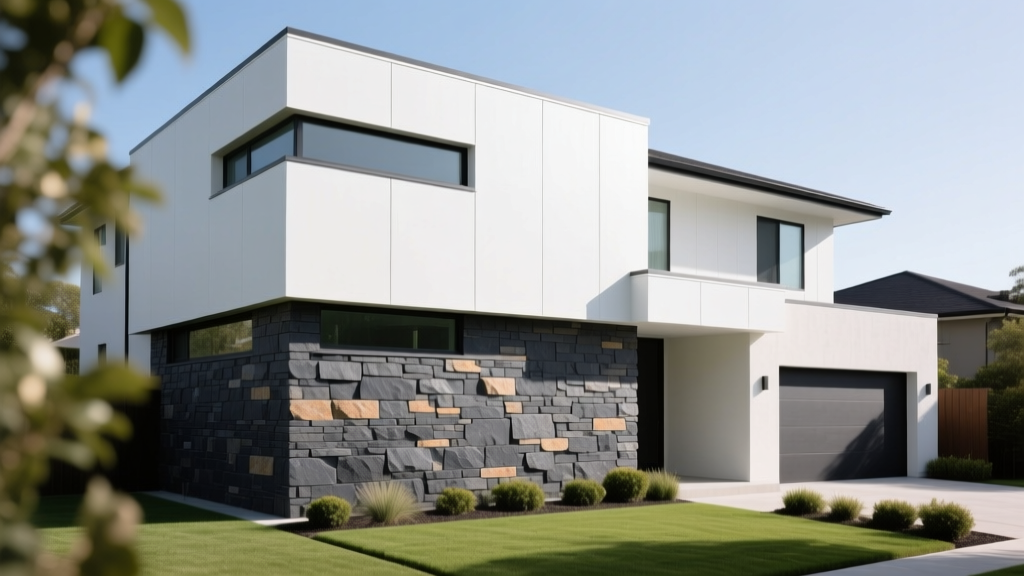
The market for faux stone veneer panels exterior applications has evolved significantly from the early PVC imitations of the 2010s. Modern synthetic stone is engineered to replicate the thermal mass, shadow lines, and mineral variations of natural quarried stone while eliminating the structural load and masonry labor costs. When evaluating exterior cladding options in 2026, the core material science dictates the panel's longevity, impact resistance, and thermal performance. The industry is currently dominated by three distinct material categories: high-density polyurethane, polyurethane-EPS composites, and injection-molded polypropylene.
Unlike natural stone, which requires a masonry substrate, brick ties, and a heavy mortar bed, synthetic panels mount directly to standard wood framing or rigid sheathing. However, this direct-to-wall application introduces specific moisture management challenges that contractors and DIYers must address. Because synthetic polymers are largely impermeable, trapping moisture against the weather-resistive barrier (WRB) can lead to OSB rot and mold proliferation if a proper rain screen or drainage plane is not integrated into the assembly.
Head-to-Head Matrix: The Big Three Brands
To provide an actionable decision framework, we have tested and analyzed the three leading manufacturers in the exterior faux stone market. Below is a direct comparison of their flagship stacked stone profiles based on 2026 manufacturer specifications and independent field testing.
| Brand / Profile | Core Material | Weight (per sq ft) | R-Value | Cost (Material Only) | Warranty |
|---|---|---|---|---|---|
| GenStone Stratford | High-Density Polyurethane | 1.0 lbs | 0.43 | $6.50 - $8.50 | 25-Year Limited |
| NextStone Slatestone | PU Skin / EPS Foam Core | 1.2 lbs | 4.50 | $7.50 - $9.50 | 20-Year Limited |
| Novik Dry-Stack | Injection-Molded Polypropylene | 2.5 lbs | 0.00 | $5.00 - $7.00 | 50-Year Limited |
GenStone Stratford: The Polyurethane Standard
Specifications and Field Performance
GenStone remains the most recognized name in the faux stone veneer panels exterior market. Their Stratford series is cast from real stone molds using high-density polyurethane. The panels measure 24 by 42 inches, providing 8.5 square feet of coverage per panel. The interlocking shiplap edges are designed to hide fastener heads and create a continuous, mortarless joint.
Failure Modes and Edge Cases
The primary vulnerability of solid polyurethane is UV degradation. While GenStone bakes UV inhibitors into the resin and applies a multi-coat acrylic finish, panels installed in high-altitude, south-facing applications (such as in Colorado or Utah) may experience micro-fading after 10 to 12 years. Furthermore, because the R-value is a negligible 0.43, GenStone should be treated purely as a cladding material, not as continuous insulation. According to the U.S. Department of Energy, continuous exterior insulation is critical for meeting modern IECC energy codes; therefore, GenStone must be installed over separate rigid foam sheathing if thermal upgrading is required.
NextStone Slatestone: The Insulated Composite
Thermal Performance and Structural Integrity
NextStone takes a radically different approach by fusing a thin polyurethane outer skin to a 2-inch thick expanded polystyrene (EPS) foam core. This composite structure yields an impressive R-value of 4.5, effectively functioning as continuous exterior insulation. For retrofit projects where wall cavity insulation is maxed out, NextStone provides a measurable reduction in thermal bridging.
The NextStone manufacturing data highlights their proprietary 'Snap-Lock' system, which utilizes hidden PVC clips screwed into the studs, allowing the panels to slide into place. This floating installation method accommodates thermal expansion and contraction, which is critical when dealing with EPS foam in extreme temperature swings.
Moisture and Impact Considerations
The trade-off for the insulated core is impact vulnerability. A stray baseball or heavy hail can dent the EPS core beneath the polyurethane skin. Additionally, the 2-inch thickness requires specialized, deeper trim pieces and extended window jamb extensions, which can add 15% to 20% to the total accessory cost of the project.
NovikStone: The Heavy-Duty Polypropylene
Durability and Cost Efficiency
Novik utilizes injection-molded polypropylene, a thermoplastic polymer known for its high impact resistance and flexibility. NovikStone panels are significantly thicker and heavier (2.5 lbs per sq ft) than their polyurethane counterparts. This material will not dent from impact and is highly resistant to the chemical breakdown caused by alkaline masonry environments if installed near concrete foundations.
Novik is often the most budget-friendly option, with material costs hovering around $5.50 per square foot. However, the polypropylene material lacks the deep, nuanced shadow lines of polyurethane. Up close, the repeating patterns and slightly glossy sheen of the plastic can be noticeable. It is best utilized for high-up applications like foundation skirting or upper-story gables where close-up inspection is unlikely.
Critical Installation Realities: Moisture Management
The most common cause of failure in faux stone veneer panels exterior installations is not the panel itself, but the mismanagement of bulk water and vapor drive. Synthetic stone is entirely non-breathable. If water bypasses the panel joints via wind-driven rain, it becomes trapped against the sheathing.
Never install faux stone panels directly over bare OSB or plywood using only construction adhesive. Without a drainage plane, trapped moisture will delaminate the structural sheathing within 3 to 5 years in wet climates.
The Proper Rain Screen Assembly
- WRB Application: Apply a high-quality, vapor-permeable weather-resistive barrier (such as Tyvek DrainWrap) over the sheathing, ensuring all seams are taped.
- Furring Strips: Install 1/4-inch to 3/8-inch thick vertical furring strips (wood or plastic drainage mats) over the studs. This creates a capillary break and a drainage channel.
- Weep Screed: At the base of the wall, install a weep screed with a minimum 2-inch vertical flange attached to the sheathing, allowing water to exit the rain screen cavity above the foundation line.
- Panel Fastening: Screw the faux stone panels directly through the furring strips into the structural studs. Follow the GenStone official specifications for exact fastener spacing and edge clearances.
'The assumption that synthetic stone is waterproof is a dangerous fallacy. The panels shed water, but the joints are the weak link. Treat every faux stone installation as a rain screen system, not a sealed barrier.' — Senior Building Envelope Consultant
2026 Cost Breakdown: Material vs. Labor
While faux stone eliminates the need for masons, mortar, and structural footings, the ancillary materials and labor still represent a significant portion of the budget. Below is a realistic cost breakdown for a 500-square-foot exterior accent wall project in 2026.
| Cost Category | GenStone (Polyurethane) | NextStone (Insulated) | Novik (Polypropylene) |
|---|---|---|---|
| Main Panels (500 sq ft) | $3,750 | $4,250 | $2,750 |
| Trim, Corners, & Accessories | $650 | $850 | $500 |
| Fasteners, Adhesive, & Caulk | $200 | $150 | $220 |
| WRB & Furring Strip Materials | $350 | $350 | $350 |
| Professional Labor (2 Carpenters) | $1,800 | $2,100 | $1,900 |
| Total Estimated Project Cost | $6,750 | $7,700 | $5,720 |
Adhesive Selection is Non-Negotiable
Do not use standard latex or acrylic construction adhesives for exterior faux stone. In freeze-thaw climates, these adhesives become brittle and fail. You must specify a polyurethane-based construction adhesive, such as Loctite PL Premium 3x, applied in a continuous bead along the panel's back perimeter and in a zig-zag pattern across the center. This ensures both mechanical bonding and a secondary water seal.
Final Decision Framework: Which Panel Fits Your Project?
Choosing the right faux stone veneer panels exterior product depends entirely on your project's specific constraints regarding budget, thermal requirements, and physical environment.
- Choose GenStone if: You prioritize the most realistic visual replication of natural stone, require lightweight panels for DIY installation on upper stories, and do not need the cladding to contribute to the wall's R-value.
- Choose NextStone if: You are executing a deep-energy retrofit, need to meet strict continuous insulation codes, and are willing to pay a premium for integrated EPS foam and hidden clip installation.
- Choose Novik if: The installation is in a high-impact zone (such as foundation skirting near lawnmowers or heavy foot traffic), you are working with a strict budget, and the panels will be viewed from a distance of 10 feet or more.
By matching the polymer chemistry to your specific environmental and structural needs, synthetic stone veneer provides a durable, high-aesthetic exterior finish that will outperform traditional mortar applications in both cost and long-term maintenance.
Written by
David NakamuraDavid Nakamura is a licensed architect (AIA) and construction technology writer focused on sustainable building methods, mass timber engineering, and high-performance building envelopes. He holds a Master of Architecture from the University of Washington and is a certified Passive House Consultant (CPHC). David spent eight years at the Seattle firm Mithun, where he led the design of three LEED Platinum projects, before founding his own practice specializing in net-zero residential design. He serves on the editorial advisory board of GreenBuilder Magazine and has authored peer-reviewed papers on cross-laminated timber (CLT) connections for the Journal of Structural Engineering. In his spare time, David teaches woodworking at Pratt Fine Arts Center and kayaks the Puget Sound.
More from David Nakamura
View all
Construction Cost
Labor Cost to Build a Deck Per Sq Ft: 2026 Installation Guide
Discover the exact labor cost to build a deck per sq ft in 2026. This installation guide breaks down contractor rates, complexity factors, and hidden fees.
Aug 4, 2026

Construction Cost
How Much Does It Cost to Build a 3 Bedroom House? Financing Guide
Learn exactly how much it costs to build a 3 bedroom house and explore 2026 financing options, construction loan types, and budget frameworks for your build.
Aug 4, 2026

Construction Cost
Cost to Build a Tennis Court: 2026 Guide
How much does it cost to build a tennis court in 2026? Breakdowns for asphalt, concrete, and synthetic surfaces plus fencing and lighting.
Jul 30, 2026