Stone Veneer Ledger Panels: 2026 Buyer's Selection Guide
Compare top stone veneer ledger panels for 2026. Explore costs, natural vs. manufactured options, and expert installation tips for your next project.

Understanding Stone Veneer Ledger Panels
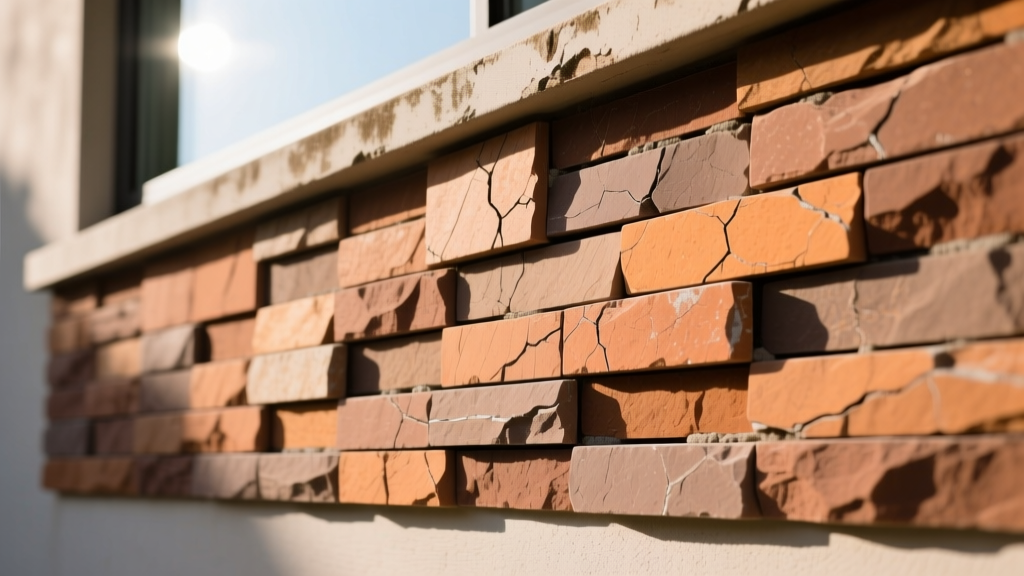
In the masonry and veneer industry, the term 'ledger' refers to a specific horizontal, rectangular panel format designed to mimic the look of traditional stacked ledger stone. Unlike irregular fieldstone or ashlar patterns, stone veneer ledger panels are typically cut or cast in uniform dimensions—most commonly 6 inches by 24 inches or 4 inches by 15 inches. This linear geometry creates a clean, modern, and highly structured aesthetic that has dominated architectural accent walls, fireplace surrounds, and exterior wainscoting over the last decade.
For buyers, the primary decision hinges on material composition. You must choose between quarried natural stone and cast manufactured stone. Each material dictates a completely different approach to structural preparation, moisture management, and budget allocation.
Natural vs. Manufactured Ledger Panels: A Technical Comparison
Selecting the right material requires looking past the surface texture and evaluating the physical properties that impact your building's envelope and structural load.
| Feature | Natural Stone Ledger | Manufactured Stone Ledger | High-Density Polyurethane |
|---|---|---|---|
| Core Material | Quartzite, Slate, Sandstone | Portland cement, pumice, iron oxides | Closed-cell polyurethane foam |
| Weight (Dead Load) | 9 - 15 lbs / sq. ft. | 5 - 8 lbs / sq. ft. | 1 - 2 lbs / sq. ft. |
| Material Cost (2026) | $14.00 - $26.00 / sq. ft. | $7.50 - $13.00 / sq. ft. | $9.00 - $15.00 / sq. ft. |
| Seam Concealment | Rectified straight edges | Interlocking Z-edges / Shiplap | Shiplap interlocking joints |
| Governing Standard | ASTM C616 / C568 | ASTM C1670 | ICC-ES AC348 (Interior focus) |
The Edge Profile Advantage
When purchasing manufactured stone veneer ledger panels from premium brands like Eldorado Stone or Cultured Stone, pay strict attention to the edge profile. High-quality manufactured ledger panels utilize a Z-edge or shiplap profile. This means the top and bottom edges are stepped, allowing the panel above to overlap the panel below. This interlocking mechanism completely hides the horizontal mortar joints or dry-stack seams, creating the illusion of continuous, unbroken stone. Natural stone ledger panels are typically rectified (cut perfectly straight), which requires a highly skilled mason to maintain flawless, uniform 1/16-inch dry-stack joints without visible mortar squeeze-out.
Structural Requirements and the Physical Ledger Board
If you opt for natural stone veneer ledger panels, the weight becomes a primary engineering concern. While 10 pounds per square foot may not sound extreme, a 10-foot high by 20-foot wide exterior wall carries 2,000 pounds of dead load. According to guidelines published by the Natural Stone Institute, adhered stone veneer exceeding specific weight thresholds or installed above certain heights requires supplementary mechanical support.
This is where the physical ledger board comes into play. For heavy natural stone ledger installations, a pressure-treated 2x4 or 2x6 ledger board must be bolted directly into the foundation or structural framing at the base of the wall. The veneer rests on this board, transferring the vertical load directly to the foundation rather than relying solely on the shear strength of the mortar bond and metal lath. Manufactured stone, being roughly 40% lighter, rarely requires a structural ledger board for standard single-story residential applications, provided the substrate is properly prepared.
2026 Cost Breakdown: Material and Labor
Budgeting for stone veneer ledger panels requires separating the material cost from the specialized labor required for installation. Because ledger panels are modular, installation is generally 15% to 20% faster than irregular fieldstone, slightly reducing labor hours.
- Natural Quartzite Ledger Panels: $18.00 - $24.00 per sq. ft. (Material) + $12.00 - $18.00 per sq. ft. (Labor)
- Manufactured Concrete Ledger Panels: $8.50 - $11.50 per sq. ft. (Material) + $9.00 - $14.00 per sq. ft. (Labor)
- Polyurethane Faux Ledger Panels: $10.00 - $14.00 per sq. ft. (Material) + $4.00 - $7.00 per sq. ft. (Labor - DIY friendly)
- Substrate Prep & Moisture Management: Add $2.50 - $4.00 per sq. ft. for weather-resistive barriers (WRB), self-furring metal lath, and weep screeds.
Critical Buyer Mistakes to Avoid
1. Ignoring Batch Variations in Natural Stone: Natural stone ledger panels are quarried in batches. If you miscalculate your square footage and order a second batch three weeks later, the color and mineral veining will likely not match. Always order 10% to 15% overage for natural stone and mix panels from at least three different pallets during installation to blend natural color shifts.
2. Using Type S Mortar for Dry-Stack Applications: Many ledger panels are designed for 'dry-stack' installation (no visible mortar joint). If your mason uses a standard Type S or Type N mortar without a latex bonding admixture, the mortar will squeeze out and stain the porous edges of the stone. Specify a polymer-modified, non-staining veneer mortar (meeting ANSI A118.4 or A118.15 standards) if a tight-joint installation is required.
3. Cutting Corners on Corners: The visual success of a ledger panel wall relies entirely on the corners. Do not allow installers to use flat panels and miter-cut them at a 45-degree angle for exterior corners. Always purchase factory-cast or factory-cut interlocking corner returns. These L-shaped pieces wrap the corner seamlessly and are essential for maintaining the illusion of solid, structural masonry.
Frequently Asked Questions
Can stone veneer ledger panels be installed on interior drywall?
Manufactured and polyurethane ledger panels can be installed directly over interior drywall using a high-strength construction adhesive (like PL Premium) or a polymer-modified thin-set, provided the drywall is rated to hold the weight (typically up to 15 lbs/sq ft for standard 1/2-inch drywall). However, natural stone ledger panels should only be installed over cement backer board (like HardieBacker or Durock) screwed directly into the wall studs to prevent drywall sagging and fastener pull-through.
How do I clean and maintain exterior ledger panels?
For routine maintenance, use a soft-bristle brush and a mild detergent solution. Never use acid-based cleaners (like muriatic acid) or high-pressure power washers exceeding 400 PSI. Acid will etch the cementitious matrix of manufactured stone and dissolve the natural calcium carbonate in limestone or marble ledger panels, leading to rapid surface degradation.
What is the maximum installation temperature for mortar bonding?
If you are installing ledger panels using mortar in cold weather, the ambient temperature must remain above 40°F (4°C) during installation and for at least 48 hours afterward. Below this threshold, the hydration process of the Portland cement halts, resulting in a weak, powdery bond that will fail under the sheer weight of the stone panels.
Written by
David NakamuraDavid Nakamura is a licensed architect (AIA) and construction technology writer focused on sustainable building methods, mass timber engineering, and high-performance building envelopes. He holds a Master of Architecture from the University of Washington and is a certified Passive House Consultant (CPHC). David spent eight years at the Seattle firm Mithun, where he led the design of three LEED Platinum projects, before founding his own practice specializing in net-zero residential design. He serves on the editorial advisory board of GreenBuilder Magazine and has authored peer-reviewed papers on cross-laminated timber (CLT) connections for the Journal of Structural Engineering. In his spare time, David teaches woodworking at Pratt Fine Arts Center and kayaks the Puget Sound.
More from David Nakamura
View all
Construction Cost
Labor Cost to Build a Deck Per Sq Ft: 2026 Installation Guide
Discover the exact labor cost to build a deck per sq ft in 2026. This installation guide breaks down contractor rates, complexity factors, and hidden fees.
Aug 4, 2026

Construction Cost
How Much Does It Cost to Build a 3 Bedroom House? Financing Guide
Learn exactly how much it costs to build a 3 bedroom house and explore 2026 financing options, construction loan types, and budget frameworks for your build.
Aug 4, 2026

Construction Cost
Cost to Build a Tennis Court: 2026 Guide
How much does it cost to build a tennis court in 2026? Breakdowns for asphalt, concrete, and synthetic surfaces plus fencing and lighting.
Jul 30, 2026