Cost to Build a Shed 10x12: Complete Material & Labor Guide
Discover the exact cost to build a shed 10x12. Get detailed material pricing, labor rates, foundation options, and DIY vs contractor frameworks.
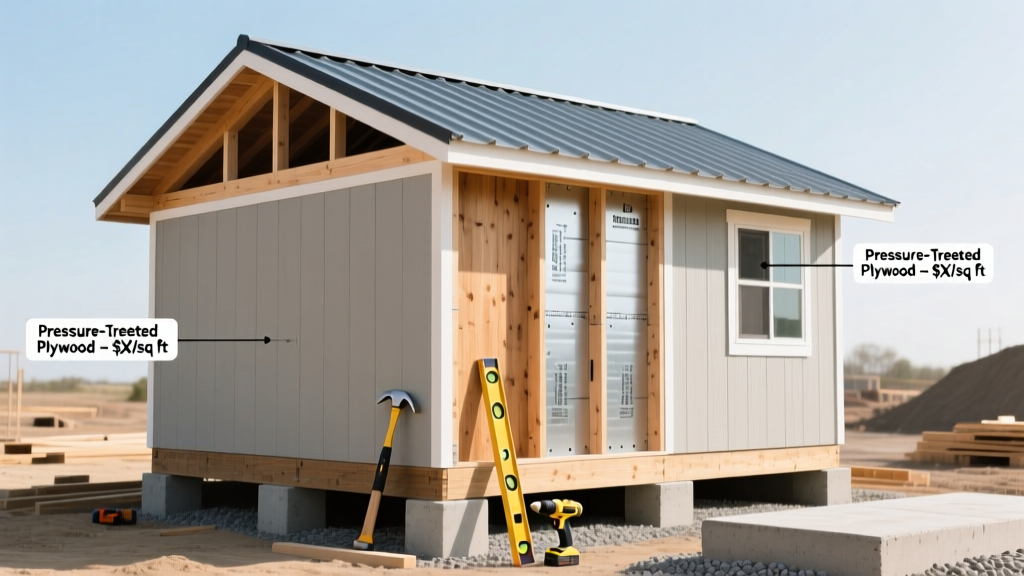
The True Cost to Build a Shed 10x12
2026 Cost Snapshot: 10x12 Shed (120 Sq Ft)
DIY Material Cost: $2,100 - $3,400
Professional Installation: $4,200 - $7,500
Average Cost per Sq Ft: $28 (DIY) / $52 (Pro)
Build Time: 3-5 weekends (DIY) / 2-4 days (Pro Crew)
Calculating the exact cost to build a shed 10x12 requires moving beyond generic square-foot averages. A 120-square-foot structure sits in a unique sweet spot: it is large enough to serve as a primary storage hub or backyard workshop, yet small enough to bypass stringent building permits in many jurisdictions. However, the final price tag hinges entirely on your foundation choice, envelope materials, and whether you sweat the equity or hire a crew. This guide breaks down the precise material costs, labor rates, and structural decisions that dictate your final budget.
Material Breakdown: Where Your Budget Actually Goes
The shell of a 10x12 shed accounts for roughly 65% of your total material budget. Cutting corners here leads to moisture intrusion and structural sagging within five years. Below is a realistic pricing matrix for a high-quality, weather-resistant build using premium but accessible big-box store materials.
| Component | Recommended Material Specification | Quantity Needed | Estimated Cost |
|---|---|---|---|
| Subfloor | 3/4" AdvanTech T&G (Superior moisture resistance vs CDX) | 5 Sheets | $375 |
| Floor Joists | 2x6 #2 Pressure-Treated Southern Yellow Pine (16" OC) | 14 Boards | $115 |
| Wall Framing | 2x4 SPF Studs (16" OC) with treated bottom plates | 45 Studs | $160 |
| Siding | LP SmartSide Panel Siding (4x8, pre-primed) | 8 Panels | $440 |
| Roof Sheathing | 1/2" OSB or CDX Plywood | 6 Sheets | $240 |
| Roofing | GAF Timberline HDZ Architectural Shingles + Synthetic Felt | 4 Bundles + 2 Rolls | $280 |
| Trim & Fasteners | PVC trim boards, galvanized nails, exterior screws | Misc | $220 |
| Doors & Hardware | Pre-hung 72" double doors or custom Z-brace barn doors | 1 Set | $350 - $600 |
Expert Insight: Never use standard CDX plywood for a shed subfloor. According to Family Handyman's comprehensive shed framing guide, CDX is prone to delamination when exposed to ground moisture or rain during construction. AdvanTech costs about $25 more per sheet but utilizes advanced resins that prevent swelling, ensuring your floor remains flat for decades.
Foundation Options: Gravel Pad vs. Concrete Slab
Your foundation choice is the single largest variable in the cost to build a shed 10x12. A 120-square-foot footprint requires distinct engineering depending on your soil type and intended use.
Option A: The Crushed Gravel Pad (Best for DIY & Wood Floors)
A 4-inch deep gravel pad using 3/4-inch crushed stone (often called #57 stone) over landscaping fabric is the gold standard for sheds with wooden floor joists. It provides exceptional drainage and is highly forgiving for DIY leveling.
- Material Cost: ~$250 (Includes 4 tons of gravel and heavy-duty geotextile fabric).
- Labor: 1 day of digging and raking.
- Edge Case: If your yard has a slope greater than 6 inches across the 12-foot span, you will need to build a retaining border using 4x6 pressure-treated timbers, adding roughly $180 to the cost.
Option B: The 4-Inch Concrete Slab (Best for Heavy Equipment)
If you plan to store a riding mower, a heavy workbench, or a motorcycle, a monolithic concrete slab is required. A 10x12 slab at 4 inches thick requires approximately 1.5 cubic yards of concrete.
- Material Cost: ~$450 for the concrete delivery (minimum load fees apply).
- Labor & Prep: $600 - $900 (Forming, rebar/wire mesh, pouring, and finishing).
- Total Slab Cost: $1,050 - $1,350.
The 120-Square-Foot Permit Threshold
One of the primary reasons builders target the 10x12 dimension is the regulatory advantage. According to the International Code Council (ICC) residential guidelines and the International Residential Code (IRC), detached accessory structures that are 120 square feet or less typically do not require a formal building permit. However, this is a building permit exemption, not a zoning exemption.
Critical Warning: You must still comply with local zoning setbacks. Most municipalities require sheds to be at least 5 feet from side property lines and 10 feet from rear lines. Furthermore, if you add a permanent foundation (like a concrete slab) or run electrical conduit to the shed, you immediately trigger the need for a building and electrical permit, regardless of the 120-square-foot rule.
DIY vs. Hiring a Contractor: The Tipping Point
Deciding whether to build the shed yourself or hire a professional depends on your skill level, tool inventory, and the specific tipping points of shed construction.
The DIY Route ($2,100 - $3,400 Total)
Building a 10x12 shed yourself is highly feasible for intermediate DIYers. The primary cost savings come from eliminating the 50% to 100% labor markup charged by contractors. However, you must factor in tool rentals. If you do not own a pneumatic framing nailer, a miter saw, and a plate compactor for the gravel pad, expect to spend $250 on weekend rentals.
The Contractor Route ($4,200 - $7,500 Total)
Hiring a professional shed builder or general contractor ensures the structure is plumb, square, and built to withstand local wind and snow loads. The wide price range reflects regional labor disparities and material upgrades. A basic vinyl-sided shed built by a contractor will sit at the lower end, while a custom wood-sided shed with architectural shingles, insulated doors, and interior electrical will push past $7,000.
Hidden Costs That Derail Shed Budgets
When estimating the cost to build a shed 10x12, most online calculators ignore the peripheral expenses that occur before the first piece of lumber is cut. Budget for these hidden costs to avoid mid-project financial strain:
- Site Clearing and Grubbing ($150 - $500): Removing tree stumps, large roots, and leveling the earth before laying your foundation.
- Material Delivery Fees ($75 - $150): Lumber yards and big-box stores often charge for delivering heavy loads of pressure-treated wood and roofing bundles, especially if a flatbed truck is required.
- Electrical Trenching ($800 - $1,500): Running a 20-amp dedicated circuit from your main panel to the shed requires trenching, PVC conduit, and a licensed electrician. This is rarely included in base shed kits.
- HOA Approval Fees ($50 - $200): If you live in a managed community, you may need to submit architectural review plans and pay an application fee before breaking ground.
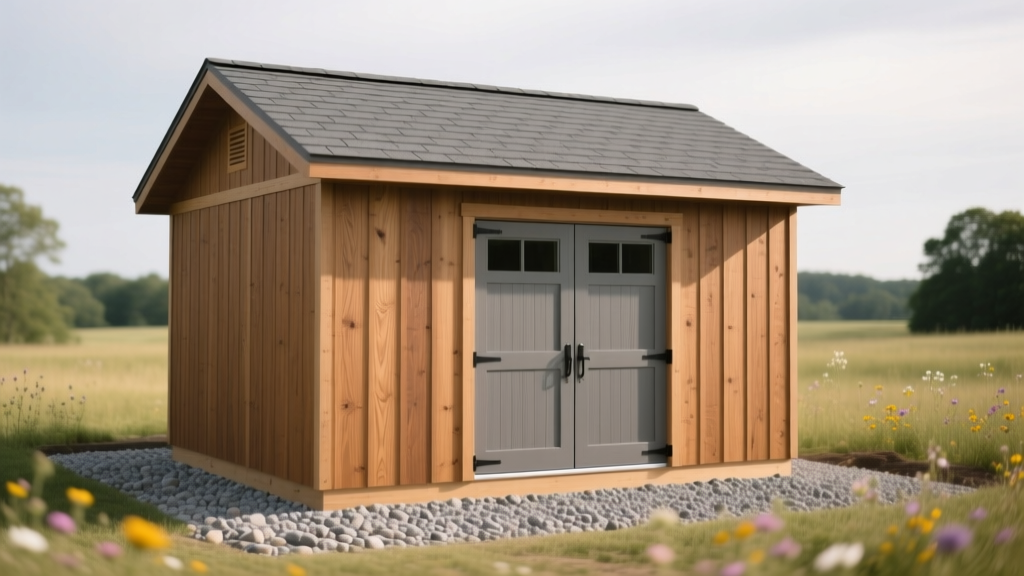
Step-by-Step Estimation Framework
To finalize your specific budget, follow this sequential framework rather than relying on generic averages:
Step 1: Define the Envelope and Base
Calculate your foundation cost first. Choose between the $250 gravel pad or the $1,200 concrete slab. This decision dictates your floor framing; a gravel pad requires pressure-treated skids and joists, while a slab requires only a pressure-treated bottom sill plate.
Step 2: Calculate Lumber and Sheathing
Use the American Wood Council span tables and framing guides to verify your joist and rafter spacing. For a 10x12 shed, 2x6 floor joists at 16 inches on-center (OC) and 2x4 wall studs at 16 inches OC are standard. Multiply your linear footage by current local lumber prices, adding a 10% waste factor for cuts and defects.
Step 3: Factor in the Roof Pitch
A standard 4/12 roof pitch on a 10x12 shed yields roughly 140 square feet of roof area (accounting for overhangs). This requires exactly 4.5 bundles of shingles (always buy 5 to account for ridge caps and starter rows) and 2 rolls of synthetic underlayment. Steeper pitches (e.g., 8/12) increase material costs by 15% and require specialized scaffolding for safe installation.
Step 4: Add Doors, Windows, and Trim
Pre-hung exterior doors are the most expensive single accessory. A basic steel pre-hung door costs around $350, while custom wooden double doors with transom windows can exceed $800. PVC trim (Azek or Kleer) costs three times more than wood trim but will never rot or require repainting, making it the superior long-term investment for shed corners and fascia.
By meticulously pricing each of these phases against your local 2026 material rates, you will arrive at a highly accurate, actionable budget for your 10x12 shed project, eliminating the guesswork that plagues most backyard construction estimates.
Written by
Marcus ChenMarcus Chen is a licensed structural engineer (PE) and building materials analyst with over 12 years of experience across residential, commercial, and industrial construction. He holds a Master of Science in Civil Engineering from UC Berkeley and spent six years at Thornton Tomasetti before transitioning to independent consulting and technical writing. Marcus specializes in material selection for seismic-prone regions, concrete reinforcement strategies, and lifecycle cost analysis. His work has been cited by the American Concrete Institute (ACI) and the Structural Engineers Association of California (SEAOC). When he is not on a job site or at his desk, you will find him hiking the Sierra Nevada or restoring a 1920s craftsman bungalow in Oakland, CA.
More from Marcus Chen
View all
Construction Cost
How Much Did the Eiffel Tower Cost to Build?
How much did the Eiffel Tower cost to build in 1889? We adjust for inflation and compare its budget to modern skyscraper construction.
Aug 4, 2026

Fire Resistance
What Is a Fire Resistant Material? Testing & Certification Guide
Discover what is a fire resistant material through ASTM and UL testing. Learn how fire ratings, certifications, and assemblies work in construction.
Aug 4, 2026

Construction Cost
How Much Did the Burj Khalifa Cost to Build?
How much did the Burj Khalifa cost to build? We break down the $1.5B project and extract 5 money-saving strategies for your next build.
Jul 30, 2026