Cost to Build Ice Skating Rink: 2026 Financing Guide
Discover the true cost to build ice skating rink facilities. Compare residential, commercial, and synthetic financing options, SBA loans, and grants.
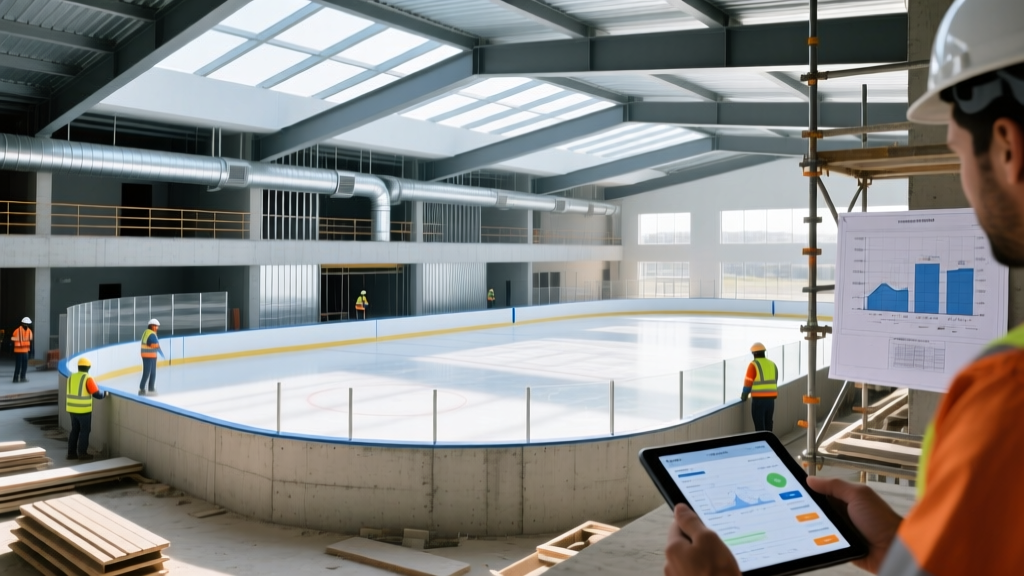
The Capital Reality of Ice Rink Construction
Securing capital for an ice facility requires navigating a complex matrix of construction costs, operational overhead, and specialized lending criteria. The cost to build ice skating rink projects varies wildly based on scale, refrigeration technology, and structural requirements. A basic backyard synthetic setup might require a $5,000 personal loan, while a twin-pad municipal arena demands a $12 million commercial financing package structured around municipal bonds or federal grants.
This guide breaks down the exact capital requirements and aligns them with the most viable financing instruments available for residential, commercial, and community projects.
Project Scope and Capital Requirements Matrix
Before approaching a lender or grant committee, you must define the exact scope of your facility. The cost to build ice skating rink infrastructure scales non-linearly once mechanical refrigeration is introduced.
| Facility Type | Estimated CapEx Range | Primary Cost Drivers | Ideal Financing Vehicle |
|---|---|---|---|
| Backyard DIY (Liner/Hose) | $500 – $2,500 | Heavy-duty poly liner, lumber framing | Cash / Credit Card |
| Premium Backyard (Chilled) | $18,000 – $45,000 | Portable chiller (e.g., NiceRink), PEX tubing | HELOC / Personal Loan |
| Synthetic Ice (Res/Comm) | $25 – $45 per sq. ft. | UHMWPE sintered panels, subfloor leveling | Equipment Leasing / Cash |
| Community Outdoor (Seasonal) | $150,000 – $400,000 | Sand base, matting, perimeter boards, trailer chiller | Municipal Grants / Bonds |
| Commercial Indoor (Single Pad) | $4,000,000 – $8,000,000 | Steel building, CO2 refrigeration, concrete slab, HVAC | SBA 504 / Commercial Mortgage |
| Commercial Indoor (Twin Pad) | $9,000,000 – $15,000,000+ | Dual ice plants, expanded seating, pro-shop buildout | Syndicated Debt / USDA CF |
Residential Financing Strategies for Backyard Rinks
For homeowners looking to install a chilled backyard rink or a high-end synthetic surface, the capital required usually falls between $20,000 and $50,000. Because the rink is considered a landscape improvement rather than a structural home addition, it rarely increases the appraised value of the home dollar-for-dollar. Therefore, financing must be structured carefully.
Home Equity Line of Credit (HELOC) vs. Home Equity Loan
- HELOC: Best for phased backyard builds where you are pouring a concrete pad in year one and installing a permanent chiller system in year two. You only pay interest on the drawn amount. However, variable rates can make budgeting winter electricity costs (which can spike by $300-$500/month for a 1/4 HP compressor) difficult.
- Home Equity Loan: Ideal for turnkey synthetic ice installations (like Glice or SmartRink). Because synthetic ice requires zero ongoing energy costs, locking in a fixed-rate home equity loan provides predictable monthly payments without the operational overhead of a refrigeration plant.
Commercial and Municipal Funding Frameworks
Financing a commercial or community indoor ice rink requires navigating specialized lending programs. Traditional banks view ice rinks as high-risk due to the specialized nature of the concrete slab (embedded steel or PEX piping) and the refrigeration plant. If the facility defaults, converting an ice rink into a warehouse requires $250,000+ in slab demolition and vapor barrier remediation.
The SBA 504 Loan Structure
For private developers and sports complex owners, the SBA 504 Loan Program is the most efficient way to finance a multi-million dollar indoor rink. The SBA 504 splits the capital stack to minimize your out-of-pocket equity:
- 50% First Mortgage: Provided by a traditional bank or credit union at market rates.
- 40% CDC Debenture: Provided by a Certified Development Company, backed by the SBA, offering fixed-rate, long-term (20-25 year) financing.
- 10% Borrower Equity: Your required down payment. For a $6 million single-pad facility, you only need to bring $600,000 to closing, preserving working capital for ice resurfacer purchases and initial marketing.
USDA Community Facilities (CF) Program
If you are developing a community rink in a rural area (population under 20,000), the USDA Community Facilities Direct Loan & Grant Program is a game-changer. The USDA can provide direct loans at interest rates as low as 2.5% with amortization periods up to 40 years. In some cases, municipalities can combine CF grants with direct loans to fund up to 75% of the project cost, drastically reducing the burden on local taxpayers.
Synthetic vs. Refrigerated: A CapEx vs. OpEx Decision Matrix
When securing financing, lenders will scrutinize your Debt Service Coverage Ratio (DSCR). A DSCR of 1.25x is typically required. High operational expenditures (OpEx) from refrigeration can crush your DSCR, making synthetic ice an attractive alternative for certain business models.
| Financial Metric | Refrigerated Ice (CO2/R-507) | Synthetic Ice (Sintered UHMWPE) |
|---|---|---|
| Upfront CapEx (per sq. ft.) | $120 – $180 (Slab + Plant) | $25 – $45 (Panels + Subfloor) |
| Monthly Energy OpEx | $3,000 – $8,000+ | $0 (Lighting/HVAC only) |
| Maintenance Labor | High (Resurfacing, edging, brine leaks) | Low (Vacuuming, occasional planing) |
| Financing Ease | Difficult (Special-purpose real estate) | Easy (Can be leased as equipment) |
| Revenue Generation | High (Hockey leagues, figure skating) | Medium (Stickhandling, beginner skating) |
Pro-Tip for Synthetic Financing: Because synthetic ice panels are not permanently affixed to the real estate, they are classified as equipment rather than building improvements. This allows commercial operators to utilize equipment leasing or Section 179 tax deductions, significantly improving year-one cash flow compared to a traditional real estate mortgage.
Hidden Costs and Edge Cases in Rink Underwriting
Lenders and appraisers will look for specific structural safeguards before approving a commercial ice rink loan. Failing to account for these in your initial pro forma will result in budget overruns and financing shortfalls.
The most catastrophic failure mode in ice rink construction is sub-slab frost heave. If moisture migrates under the concrete slab and freezes, it will expand and crack the $500,000 ice floor. Your budget must include a 10-mil polyethylene vapor barrier and a minimum of 2-inch extruded polystyrene (XPS) insulation rated for below-grade, high-compression loads. Do not use expanded polystyrene (EPS); it absorbs moisture and loses its R-value in freezing conditions.
Acoustic and Zoning Mitigations
Outdoor community rinks and semi-permanent backyard chilled rinks often face zoning hurdles regarding compressor noise. A standard 10-ton condensing unit operates at 75-85 decibels. Municipalities frequently mandate noise ordinances limiting evening operation to 60 decibels at the property line. Budget $5,000 to $12,000 for acoustic compressor enclosures or directional sound baffles to ensure your facility passes local zoning inspections and avoids costly post-construction retrofitting.
Ice Resurfacer Acquisition
The cost to build ice skating rink facilities rarely includes the ice resurfacer in the base construction contract. A new propane-powered Olympia or Zamboni machine costs between $120,000 and $160,000. Many new facility operators finance the resurfacer separately through equipment-specific loans or lease-to-own programs offered by the manufacturers, keeping the primary real estate mortgage focused strictly on the building and refrigeration plant.
Strategic Next Steps for Rink Developers
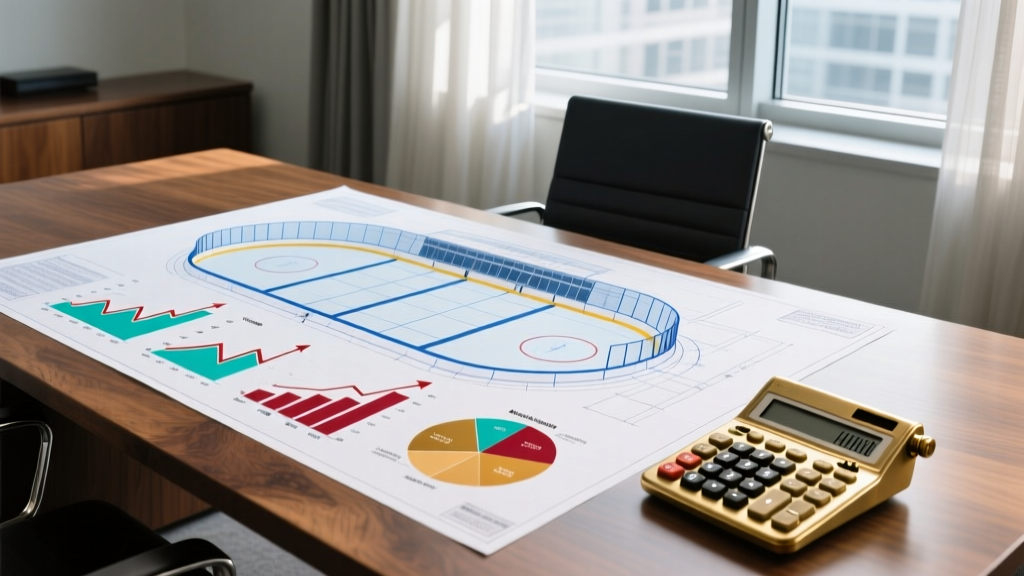
Securing funding for an ice facility requires more than a standard business plan. You must present a comprehensive feasibility study that includes local hockey association demographics, figure skating club commitments, and public skating demand projections. Compile your architectural schematics, geotechnical soil reports (critical for slab engineering), and a detailed 10-year CapEx/OpEx model. Present this package to specialized sports facility lenders or municipal bond underwriters to secure the most favorable terms for your specific rink classification.
Written by
David NakamuraDavid Nakamura is a licensed architect (AIA) and construction technology writer focused on sustainable building methods, mass timber engineering, and high-performance building envelopes. He holds a Master of Architecture from the University of Washington and is a certified Passive House Consultant (CPHC). David spent eight years at the Seattle firm Mithun, where he led the design of three LEED Platinum projects, before founding his own practice specializing in net-zero residential design. He serves on the editorial advisory board of GreenBuilder Magazine and has authored peer-reviewed papers on cross-laminated timber (CLT) connections for the Journal of Structural Engineering. In his spare time, David teaches woodworking at Pratt Fine Arts Center and kayaks the Puget Sound.
More from David Nakamura
View all
Construction Cost
Labor Cost to Build a Deck Per Sq Ft: 2026 Installation Guide
Discover the exact labor cost to build a deck per sq ft in 2026. This installation guide breaks down contractor rates, complexity factors, and hidden fees.
Aug 4, 2026

Construction Cost
How Much Does It Cost to Build a 3 Bedroom House? Financing Guide
Learn exactly how much it costs to build a 3 bedroom house and explore 2026 financing options, construction loan types, and budget frameworks for your build.
Aug 4, 2026

Construction Cost
Cost to Build a Tennis Court: 2026 Guide
How much does it cost to build a tennis court in 2026? Breakdowns for asphalt, concrete, and synthetic surfaces plus fencing and lighting.
Jul 30, 2026