How to Wash a Deck: The Material-Specific Cleaning Playbook
Learn exactly how to wash a deck based on its material. This playbook covers pressure washing PSI limits, chemical ratios, and scrubbing techniques.
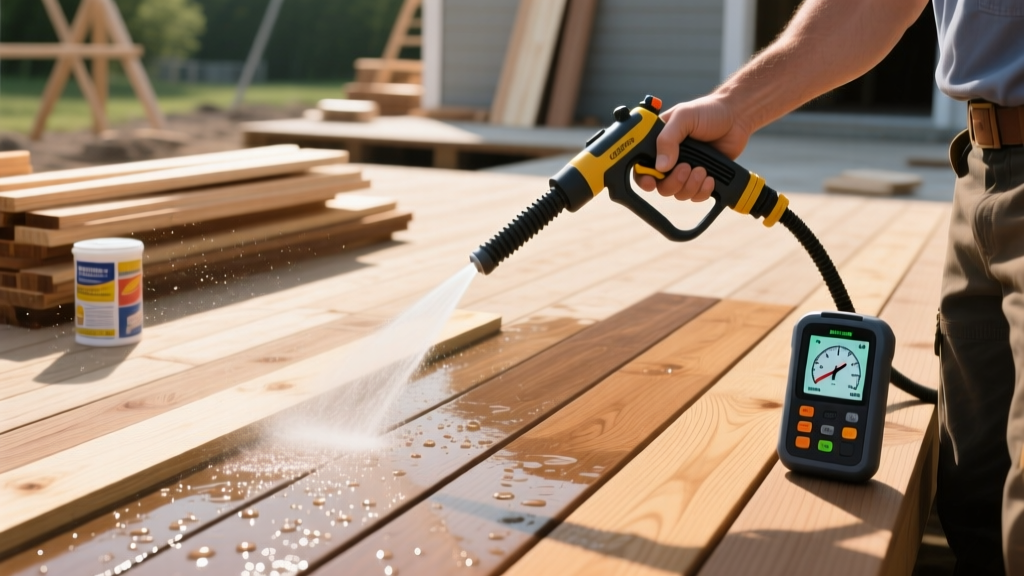
The Physics of Deck Cleaning: Why Material Dictates Method
Knowing how to wash a deck properly requires understanding the cellular structure of your decking material. Wood, composite, and PVC react entirely differently to hydraulic pressure and chemical surfactants. Applying a universal cleaning approach often results in irreversible damage, such as 'furring' (raised wood grain) on pressure-treated lumber or surfactant leaching on capped composite boards. This playbook provides exact pressure settings, chemical formulations, and procedural steps tailored to your specific deck material.
Wood vs. Composite vs. PVC: Porosity and Chemical Reactivity
- Natural Wood (Cedar, Redwood, Pressure-Treated Pine): Highly porous. The earlywood (soft spring growth) and latewood (hard summer growth) wear at different rates. High-pressure water easily tears the earlywood, creating a splintered, fuzzy surface.
- Capped Composite (Trex, TimberTech): Features a polyethylene or PVC shell over a wood-flour core. While highly resistant to moisture, the cap can be scratched by stiff bristles and stained by harsh alkaline cleaners that strip the UV inhibitors.
- Cellular PVC (Azek): Non-porous and impervious to rot. The primary risk here is chemical etching from undiluted bleach or abrasive scuffing from pressure washers held too close to the surface.
The Pressure Washer Matrix: PSI, GPM, and Nozzle Selection
The most common mistake homeowners make is using excessive pressure. The cleaning power of a pressure washer is a function of both PSI (pounds per square inch) and GPM (gallons per minute). For deck washing, GPM is actually more important than PSI; higher water volume flushes away debris without requiring destructive pressure levels.
| Deck Material | Max Safe PSI | Recommended GPM | Nozzle Tip (Color/Degree) | Wand Distance |
|---|---|---|---|---|
| Pressure-Treated Pine | 1,200 PSI | 2.0 - 2.5 GPM | 40° White Fan Tip | 8 - 12 inches |
| Cedar / Redwood | 800 - 1,000 PSI | 2.0 GPM | 40° White Fan Tip | 10 - 14 inches |
| Capped Composite | 1,500 PSI | 2.5 - 3.0 GPM | 25° Green Fan Tip | 8 - 10 inches |
| Cellular PVC | 1,500 PSI | 2.5 GPM | 25° Green Fan Tip | 8 - 10 inches |
Step-by-Step Playbook: How to Wash a Wood Deck
According to the USDA Forest Products Laboratory, improper washing accelerates wood weathering by stripping the protective lignin. Follow this exact sequence for natural and pressure-treated wood.
Step 1: Site Preparation and Plant Protection
Pre-soak all surrounding landscaping with clean water. Saturated plant leaves and soil absorb less cleaning solution. Cover delicate shrubs with 4-mil plastic sheeting, ensuring the plastic does not trap heat from the sun against the foliage.
Step 2: Chemical Application (Sodium Percarbonate)
Do not use chlorine bleach (sodium hypochlorite). Chlorine bleach destroys wood lignin, accelerates corrosion of metal fasteners, and kills soil microbiomes. Instead, use an oxygen bleach solution (sodium percarbonate). Mix 1 cup of sodium percarbonate powder per gallon of warm water. Apply using a garden pump sprayer, ensuring the deck boards are thoroughly saturated but not pooling.
Step 3: Dwell Time and Agitation
Allow the solution to dwell for 15 to 20 minutes. Do not let it dry. Agitate heavily soiled areas or mildew spots with a synthetic-bristle deck brush (never use wire or metal bristles, which leave rust stains). Sweep in the direction of the wood grain.
Step 4: Low-Pressure Rinsing
Rinse using a pressure washer set to a maximum of 1,200 PSI with a 40-degree white fan tip. Keep the wand moving continuously, overlapping each pass by 50% to prevent 'striping' (visible clean/dirty lines).
Step-by-Step Playbook: How to Wash a Composite Deck
Composite manufacturers like Trex and TimberTech engineer their caps to resist stains, but they are vulnerable to abrasive damage. The official TimberTech care guidelines emphasize gentle mechanical action over hydraulic force.
Step 1: Dry Debris Removal
Sweep or use a leaf blower to remove all loose dirt, pollen, and organic matter. If you pressure wash dry debris, you will grind it into the micro-texture of the composite cap, creating permanent mud stains in the embossed wood-grain pattern.
Step 2: Surfactant Washing
Mix a mild, non-abrasive dish soap (like Dawn or Simple Green) with warm water. Avoid degreasers or heavy-duty concrete cleaners, which can cause surfactant leaching—a reaction where the chemicals pull the UV stabilizers out of the composite shell, leading to premature fading.
Step 3: Soft-Bristle Scrubbing
Use a soft-bristle car wash brush or a dedicated composite deck brush to work the soapy water into the embossed grooves. Pay special attention to high-traffic zones and areas beneath BBQ grills where grease aerosolizes and settles.
Step 4: Thorough Rinsing
Rinse with a standard garden hose or a pressure washer on the lowest setting (under 1,500 PSI). Composite boards must be rinsed completely; dried soap residue will leave a hazy, chalky film that attracts new dirt.
Chemical Formulations: What to Use and What to Avoid
Selecting the right chemical agent is just as critical as the mechanical washing process. Below is a breakdown of common deck cleaning agents and their material compatibility.
| Active Ingredient | Common Brand Names | Best Used On | Material Risks | Plant Safety |
|---|---|---|---|---|
| Sodium Percarbonate | OxiClean, Stain Solver | Wood, Composite | None when diluted properly | Safe (breaks down to oxygen and soda ash) |
| Sodium Hypochlorite | Clorox, Pool Shock | PVC (diluted only) | Destroys wood lignin; corrodes steel joist hangers | Toxic to plants and soil |
| Trisodium Phosphate (TSP) | Savogran TSP | Heavy grease on PVC | Can etch composite caps; leaves alkaline residue | Moderate risk; causes algae blooms in runoff |
| Oxalic Acid | Bar Keepers Friend, Wood Brighteners | Wood (for rust/tannin stains) | Can bleach composite colors if left too long | Moderate risk; neutralize with baking soda |
Post-Wash Protocols: Drying Timelines and Sealing
Washing a deck is only half the maintenance cycle. If you are washing a wood deck to prepare it for a penetrating oil or film-forming sealant, the drying phase is non-negotiable.
The Moisture Meter Standard
Visual inspection is insufficient for determining if wood is ready to seal. You must use a pin-type moisture meter. According to University of Minnesota Extension guidelines, pressure-treated lumber and cedar must read below 15% moisture content before any sealant is applied. Taking readings from the ends of the boards and the center of the joists will give you the most accurate profile.
The Water Drop Test
If you do not have a moisture meter, perform the water drop test. Sprinkle a few drops of water onto the deck boards in multiple locations. If the water beads up, the wood still contains too much internal moisture or residual old sealant. If the water absorbs into the wood within 10 seconds, the deck is ready for sealing.
Sealant Application Window
Once the deck is washed and dried (typically 48 to 72 hours of direct sunlight and low humidity), you have a 14-day window to apply your sealant. Waiting longer allows UV radiation to begin degrading the freshly exposed wood cells, which will prevent the new sealant from penetrating deeply and adhering properly.