How Much Does It Cost to Build a Privacy Fence? 2026 Pricing Guide
Discover the exact cost to build a privacy fence in 2026. We break down material prices, labor rates, and hidden fees for wood, vinyl, and composite.
The 2026 Baseline: National Averages for Privacy Fencing
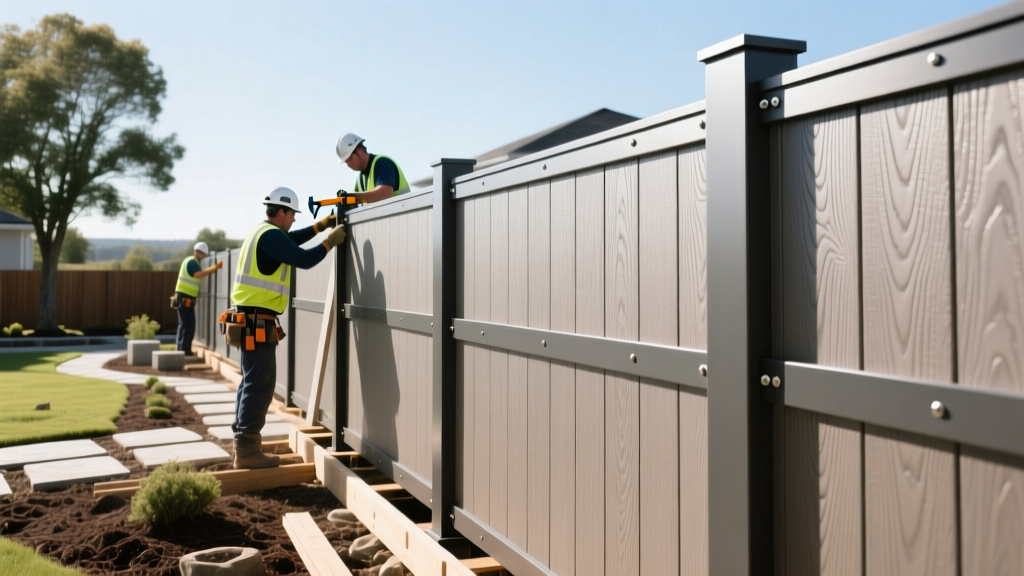
Calculating the true cost to build a privacy fence requires moving beyond basic per-foot estimates. As of 2026, the national average to install a standard 150-linear-foot, 6-foot-tall privacy fence ranges from $4,150 to $7,800. However, this baseline assumes flat terrain, standard soil conditions, and mid-grade materials. When you factor in premium composites, sloped grading, or urban labor premiums, costs can easily exceed $12,000. Understanding the intersection of material science, local building codes, and labor logistics is the only way to accurately budget a fencing project that will survive decades of weather and wind load.
Material & Labor Cost Matrix (Per Linear Foot)
The following matrix reflects 2026 installed costs (materials plus professional labor) for a 6-foot-tall privacy fence. Prices assume standard 8-foot post spacing and single-gate inclusion.
| Material Type | Material Cost / Lin. Ft. | Labor Cost / Lin. Ft. | Total Installed / Lin. Ft. | Expected Lifespan |
|---|---|---|---|---|
| Pressure-Treated Pine (Standard) | $10 - $16 | $12 - $18 | $22 - $34 | 15 - 20 Years |
| Western Red Cedar (Clear Grade) | $22 - $35 | $14 - $20 | $36 - $55 | 20 - 30 Years |
| Co-Extruded PVC Vinyl | $26 - $42 | $16 - $24 | $42 - $66 | 30+ Years |
| Wood-Plastic Composite (WPC) | $45 - $70 | $20 - $30 | $65 - $100 | 25 - 50 Years |
| Corrugated Metal & Wood Hybrid | $30 - $48 | $18 - $26 | $48 - $74 | 30+ Years |
Beyond the Boards: Hidden Costs That Derail Budgets
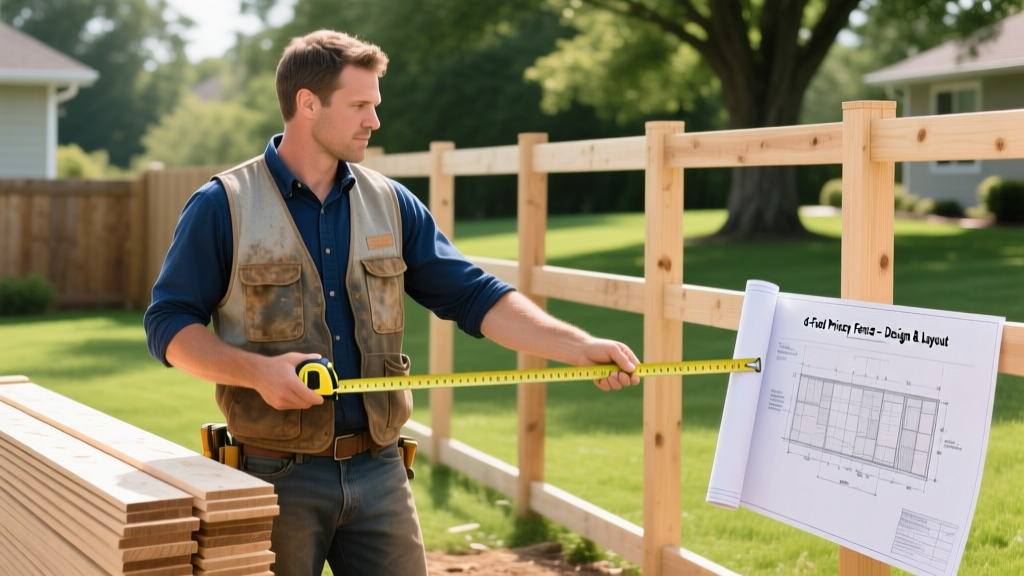
Contractor quotes often exclude site-specific variables that drastically alter the final invoice. Budgeting for these edge cases prevents mid-project change orders.
Before any post-hole digging begins, you must contact your local utility marking service. In the US, dialing 811 is a free, legally mandated step that identifies buried gas, water, and fiber-optic lines. Striking an unmarked utility line can result in tens of thousands of dollars in repair fines and severe safety hazards. Always schedule this 3 to 5 business days before your dig date.
1. Demolition and Haul-Away
Tearing down an existing fence and disposing of the debris typically adds $3 to $7 per linear foot. If the old fence contains concrete footings, contractors must use jackhammers or mechanical augers to extract them, pushing demolition costs toward the $10 per linear foot mark. Haul-away dump fees for treated lumber are also rising due to environmental regulations restricting the disposal of chemically treated wood in standard landfills.
2. Terrain Grading and Stepping vs. Racking
Privacy fences cannot simply follow the contour of a steep hill without leaving massive gaps at the bottom. Contractors use two methods to address slopes:
- Stepping: The fence panels remain perfectly level, but each section drops down like a staircase. This is required for rigid materials like vinyl and composite. It requires custom-cut pickets to fill the triangular gaps at the bottom, adding 15% to 20% to material costs.
- Racking (Contouring): The panels tilt to follow the slope of the land. This only works with wood fences built on-site (stick-built) using individual pickets and rails. It is more labor-intensive but uses fewer materials.
3. Soil Conditions and Rock Encounters
Standard labor rates assume loamy or clay soils that can be cleared with a manual post-hole digger or a two-man gas auger. If your property sits on bedrock, caliche, or heavy shale, contractors must switch to rock drills or core borers. Expect an upcharge of $25 to $50 per post hole when rock is encountered within the top 24 inches of soil.
Structural Specifications: Where Cheap Materials Fail
The longevity of a privacy fence is dictated entirely by its subterranean structural integrity and hardware selection. Cutting corners here guarantees premature failure.
Post Sizing, Treatment, and Frost Line Depth
For a 6-foot privacy fence, 4x4 pressure-treated posts are the bare minimum, but 6x6 posts are highly recommended for high-wind zones and heavy composite materials. The wood treatment rating is critical: posts buried in the ground must be rated for UC4A (Ground Contact), which contains a higher concentration of preservatives (like MCA or ACQ) than UC3B (Above Ground) lumber used for pickets.
Furthermore, posts must be set below the local frost line to prevent frost heave—the phenomenon where freezing soil expands and pushes posts upward. According to structural guidelines referenced by Better Homes & Gardens, a property in USDA Zone 5 requires a minimum dig depth of 36 to 42 inches, regardless of the fence height above ground.
Never pour concrete flush with the grass line. Water will pool against the wood post, accelerating rot. Instead, slope the top of the concrete footing away from the post (known as 'crowning') so water sheds outward. Leave a 1-inch gap between the bottom of the wood post and the bottom of the hole, resting the post on a bed of gravel for drainage.
Gate Hardware and Wind Load Engineering
A standard 4-foot-wide, 6-foot-tall wood privacy gate weighs between 120 and 160 pounds. Standard residential butt hinges will sag within two seasons under this load. Specify heavy-duty strap hinges or adjustable turnbuckle cable anti-sag kits. For composite or vinyl gates, the internal framing must include aluminum or galvanized steel inserts to prevent the plastic from bowing under its own weight during summer heat spikes.
DIY vs. Professional Installation: A Decision Framework
Deciding whether to self-perform the installation depends heavily on your access to equipment and physical capability. Data from Angi's fencing cost database indicates that DIY fencing saves roughly 40% to 50% on total project costs, but the margin of error is high.
| Project Phase | DYI Feasibility | Required Equipment / Considerations |
|---|---|---|
| Utility Locating | Mandatory DIY | Must call 811 yourself; contractors often delay this step. |
| Old Fence Demo | High | Sledgehammer, reciprocating saw, heavy-duty pry bar. |
| Post Hole Digging | Low to Medium | Manual diggers (exhausting) vs. renting a gas auger (requires 2 people and risks kickback injuries). |
| Setting Posts & Plumb | Medium | Requires string lines, 4-foot levels, and rapid-set concrete. High risk of misaligned panels if rushed. |
| Attaching Pickets/Rails | High | Pneumatic nail gun or impact driver. Use a jig or spacer block for uniform picket gaps. |
Material Deep Dive: Visual vs. Acoustic Privacy
Not all privacy fences offer the same level of seclusion. The construction style dictates both visual blockage and wind resistance.
Stockade vs. Board-on-Board
A standard stockade fence places pickets edge-to-edge. While cheaper, wood naturally shrinks as it dries and weathers, eventually creating 1/4-inch gaps between boards that compromise visual privacy. A board-on-board design alternates pickets on the front and back of the rails, overlapping them by 1 to 1.5 inches. This uses approximately 30% more lumber and increases the cost to build a privacy fence, but it guarantees 100% visual blockage even after years of wood shrinkage and provides superior wind deflection.
Vinyl and Composite: The Co-Extrusion Standard
When shopping for PVC or composite privacy fencing, verify that the product utilizes co-extrusion technology. Older, single-layer vinyl fences are prone to chalking, fading, and becoming brittle under UV exposure. Modern co-extruded panels feature a dense structural core wrapped in a protective cap layer infused with titanium dioxide (UV inhibitors) and ASA polymers. This cap layer ensures the color remains vibrant and the material resists impact cracking in freezing temperatures.
Permitting, Property Lines, and Neighbor Disputes
Before purchasing a single post, verify your exact property boundaries. Relying on existing landscape features or neighbor assumptions frequently results in encroachment lawsuits. Hire a licensed land surveyor to mark your property pins (typically $400 to $700). Additionally, check municipal zoning codes regarding fence height limits. Many jurisdictions cap backyard privacy fences at 6 feet, but restrict front-yard fences to 3 or 4 feet to maintain sightlines for traffic. If your property sits on a corner lot, visibility triangle ordinances may prohibit solid privacy fencing entirely within 25 feet of the intersection.
Written by
David NakamuraDavid Nakamura is a licensed architect (AIA) and construction technology writer focused on sustainable building methods, mass timber engineering, and high-performance building envelopes. He holds a Master of Architecture from the University of Washington and is a certified Passive House Consultant (CPHC). David spent eight years at the Seattle firm Mithun, where he led the design of three LEED Platinum projects, before founding his own practice specializing in net-zero residential design. He serves on the editorial advisory board of GreenBuilder Magazine and has authored peer-reviewed papers on cross-laminated timber (CLT) connections for the Journal of Structural Engineering. In his spare time, David teaches woodworking at Pratt Fine Arts Center and kayaks the Puget Sound.
More from David Nakamura
View all
Construction Cost
Labor Cost to Build a Deck Per Sq Ft: 2026 Installation Guide
Discover the exact labor cost to build a deck per sq ft in 2026. This installation guide breaks down contractor rates, complexity factors, and hidden fees.
Aug 4, 2026

Construction Cost
How Much Does It Cost to Build a 3 Bedroom House? Financing Guide
Learn exactly how much it costs to build a 3 bedroom house and explore 2026 financing options, construction loan types, and budget frameworks for your build.
Aug 4, 2026

Construction Cost
Cost to Build a Tennis Court: 2026 Guide
How much does it cost to build a tennis court in 2026? Breakdowns for asphalt, concrete, and synthetic surfaces plus fencing and lighting.
Jul 30, 2026