Stockade Fence Durability: Lifespan Analysis by Wood Type & Treatment
Discover the true lifespan of a stockade fence. We analyze wood species, preservative treatments, and installation methods to maximize durability.
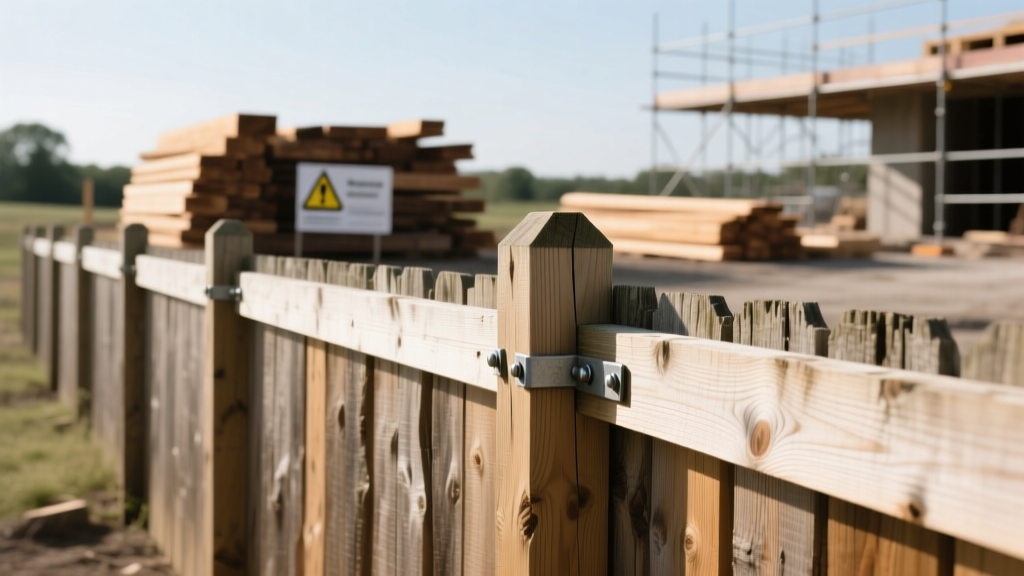
The Anatomy of Stockade Fence Degradation
A traditional stockade fence—characterized by tightly butted, pointed pickets nailed to horizontal rails—presents a unique durability profile compared to spaced privacy or shadowbox designs. Because the vertical pickets are flush against one another, air circulation between the boards is virtually zero. This creates a microclimate that traps ambient moisture, making the wood highly susceptible to fungal decay if not properly milled, treated, and maintained.
The primary failure modes for a stockade fence are not wind load or impact, but rather hygroscopic degradation. End-grain wicking at the base of the pickets draws soil moisture upward via capillary action. Simultaneously, the lack of airflow prevents the mid-section from drying after heavy rain. To engineer a stockade fence that survives beyond the 10-year mark, you must address three variables: wood extractive content (or chemical retention), post-setting hydrology, and fastener chemistry.
Wood Species & Treatment: The Core Lifespan Variables
The lifespan of your stockade fence is dictated by the biological resistance of the wood species and the chemical retention levels of any applied preservatives. Below is a comparative matrix of the three most common materials used for stockade construction in North America.
| Material | Expected Lifespan | Resistance Mechanism | Avg. Installed Cost (per lin. ft.) | Primary Failure Mode |
|---|---|---|---|---|
| Pressure-Treated Pine (UC3B) | 12–18 Years | Micronized Copper Azole (MCA) | $28 – $38 | Warping, checking, base rot |
| Western Red Cedar (Heartwood) | 15–25 Years | Natural Thujaplicins | $42 – $55 | Sapwood decay, UV graying |
| Redwood (Construction Heart) | 20–30 Years | Natural Tannins & Extractives | $55 – $75 | Fastener tannin bleed, splitting |
Pressure-Treated Pine: Decoding AWPA Standards
When purchasing pressure-treated Southern Yellow Pine for a stockade fence, the stamp on the wood is your only guarantee of longevity. The American Wood Protection Association (AWPA) categorizes treatment levels based on exposure. For the horizontal rails and vertical pickets, you must specify UC3B (Above Ground, coated/uncoated, with water trapping). However, many budget contractors mistakenly use UC3B lumber for the structural posts. Posts require UC4A (Ground Contact) treatment, which features a higher chemical retention rate (typically 0.31 pcf for MCA compared to 0.15 pcf for UC3B). Using above-ground rated pine in the soil will result in post rot at the grade line within 4 to 6 years. For a comprehensive breakdown of preservative retention levels, consult the AWPA U1 Standards documentation.
Western Red Cedar: The Heartwood Mandate
Cedar is prized for its natural rot resistance, but this resistance is not uniform throughout the tree. The fungicidal properties of cedar come from water-soluble extractives called thujaplicins, which are concentrated almost exclusively in the heartwood. The outer sapwood contains virtually no natural preservatives and will decay just as rapidly as untreated pine. When ordering cedar for a stockade fence, you must specify 100% Heartwood or Clear Heart grades. Accepting "Select Tight Knot" (STK) grades often means receiving boards with up to 30% sapwood on the edges, which will become the first points of failure in your fence line. The Western Red Cedar Lumber Association provides detailed grading rules to help you verify your lumber upon delivery.
Redwood: The Premium Standard
Redwood offers superior dimensional stability and a denser cellular structure than cedar, making it highly resistant to the warping and twisting that frequently plagues tightly-butted stockade pickets. To achieve a 25+ year lifespan, specify Construction Heart grade. Avoid "Construction Common" or "B-Grade," as these include sapwood that compromises the fence's structural integrity over time.
Never allow the bottom of your stockade pickets to touch the soil or mulch. Even heartwood redwood will succumb to brown rot if subjected to constant ground moisture. Maintain a strict 2-inch clearance between the bottom of the pickets and the final grade. If your yard slopes, step the fence panels or rake the rails to maintain this gap uniformly.
Post-Setting Methods: Where 80% of Failures Occur
The most common reason a stockade fence requires premature replacement is not the failure of the pickets, but the rotting of the 4x4 posts at the concrete collar. Concrete is highly hygroscopic; it acts like a sponge, drawing moisture from the surrounding soil and holding it directly against the end-grain and side-grain of the wooden post. This creates a permanent incubation zone for wood-decaying fungi.
The Hydro-Dynamic Post Setting Protocol
To maximize post lifespan, abandon the traditional method of dropping the post into a hole and filling it entirely with wet concrete. Instead, use the gravel-base and crushed-stone backfill method:
- Excavate: Dig a hole 36 inches deep (below the frost line in northern climates) and 10 inches in diameter.
- Gravel Base: Pour 4 to 6 inches of washed 3/4-inch gravel into the bottom of the hole. This prevents the post's end-grain from sitting in pooled water.
- Set and Backfill: Place the UC4A treated post on the gravel. Backfill the hole with tamped, crushed angular stone (not round river rock, which does not lock together). The angular stone provides immense lateral stability while allowing rapid water drainage.
- The Concrete Cap: Pour a concrete collar only at the top 4 inches of the hole. Slope the concrete away from the post at a 15-degree angle to shed surface runoff away from the wood-to-soil interface.
Research from the USDA Forest Products Laboratory confirms that moisture management at the ground-line interface is the single most critical factor in extending the service life of exterior timber structures.
Fastener Chemistry and Tannin Bleeding
A stockade fence requires thousands of fasteners. Using the wrong nails or screws will result in catastrophic aesthetic and structural failures. Cedar and Redwood are rich in water-soluble tannins. When standard steel or electroplated zinc nails are exposed to moisture, they rust and react with the tannins, creating severe black streaks that bleed down the face of the pointed pickets. Furthermore, modern pressure-treated pine (treated with MCA or ACQ) contains high levels of copper, which rapidly corrodes standard aluminum and steel fasteners through galvanic action.
The Specification Rule: For cedar and redwood, use Type 304 or Type 316 Stainless Steel ring-shank nails or screws. For pressure-treated pine, use hot-dipped galvanized fasteners meeting ASTM A153 Class D standards. Never use electroplated (bright zinc) fasteners for any exterior fencing application, as the coating is measured in microns and will fail within a single season of weather exposure.
Maintenance Schedules to Double Your Fence Lifespan
While a stockade fence can survive without finishes, applying the correct coating mitigates UV degradation and moisture cycling. Avoid film-forming finishes like polyurethane or solid acrylic paints. Because stockade boards expand and contract with seasonal humidity swings, rigid film finishes will micro-crack, trap water behind the film, and peel aggressively within two years.
Instead, use a penetrating, oil-based, semi-transparent stain containing UV-blocking pigments and mildewcides. The oil carrier penetrates the wood's cellular structure, lubricating the fibers and preventing the severe checking and splitting that occurs in tightly butted stockade pickets. Apply the first coat within 30 days of installation (once the wood moisture content drops below 15%), and reapply every 3 to 5 years depending on local UV indices. Always apply stain via airless sprayer followed immediately by back-brushing to force the oil into the dense end-grain of the pointed tips.