Low-Maintenance Garden Fence Ideas: A Complete Cleaning Playbook
Discover low-maintenance garden fence ideas and master our material-specific cleaning playbooks for wood, vinyl, composite, and metal boundaries.
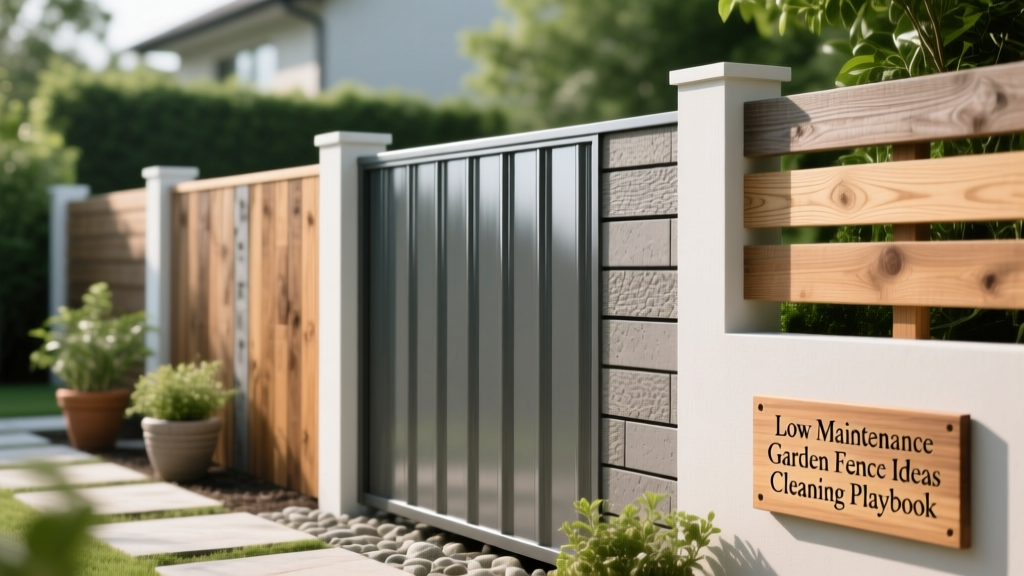
The Material-to-Maintenance Matrix
When evaluating garden fence ideas, homeowners frequently prioritize aesthetics and initial installation costs while severely underestimating long-term upkeep. A boundary that looks pristine on day one can become a maintenance liability by year three if the material mismatches the local climate and the owner's willingness to perform routine care. According to the American Fence Association, premature fence failure is most often linked to improper cleaning techniques and neglected moisture management rather than structural defects.
Before selecting a design, map your material choice to the following maintenance realities. This matrix outlines the true cost of ownership for the most popular garden fencing materials in 2026.
| Material | Cleaning Frequency | Primary Environmental Enemy | Avg Annual Upkeep Cost (per linear ft) | Expected Lifespan |
|---|---|---|---|---|
| Pressure-Treated Wood | Annually | UV degradation, mildew, rot | $0.75 - $1.20 | 15 - 20 years |
| Bamboo (Rolled or Panel) | Bi-annually | Fungal spores, ground moisture | $0.50 - $0.80 | 5 - 10 years |
| Extruded Vinyl (PVC) | Every 2-3 years | Hard water stains, algae | $0.10 - $0.25 | 25 - 30+ years |
| Wood-Plastic Composite | Annually | Surface mold, tannin bleeding | $0.20 - $0.40 | 25 - 30 years |
| Galvanized / Wrought Iron | Every 3-5 years | Oxidation (rust), hinge friction | $0.30 - $0.60 | 30 - 50+ years |
Wood and Bamboo Garden Fence Ideas: The Deep-Clean Playbook
Wood and bamboo remain top choices for traditional garden fence ideas due to their natural integration with landscaping. However, organic materials are highly susceptible to biological growth. The most common mistake homeowners make is using chlorine bleach (sodium hypochlorite) to kill mildew. Research from the USDA Forest Products Laboratory confirms that chlorine bleach destroys lignin—the natural glue that holds wood fibers together—leaving the surface fuzzy, degraded, and more porous to future moisture intrusion.
The Sodium Percarbonate Protocol
For deep cleaning wood and bamboo, use an oxygen-based cleaner where the active ingredient is sodium percarbonate. This compound breaks down into hydrogen peroxide and soda ash, lifting organic stains without damaging the cellular structure of the wood.
- Mix the Solution: Dissolve 3/4 cup of powdered sodium percarbonate (found in products like Stain Solver or OxiClean) per gallon of warm water (100°F - 110°F for optimal activation).
- Apply and Dwell: Pump the solution onto the fence using a garden sprayer. Allow it to dwell for 15 to 20 minutes. Do not let the solution dry on the surface; mist it lightly with water if it begins to evaporate.
- Agitate: Use a stiff-bristled synthetic brush (never wire bristles, which leave rust-prone iron deposits) to scrub heavily soiled areas and horizontal rail caps.
- Rinse: Wash the fence with a garden hose. If using a pressure washer, restrict the pressure to under 1,200 PSI, use a 40-degree white or yellow tip, and keep the nozzle at least 12 inches from the wood to prevent etching.
Bamboo fencing wicks ground moisture rapidly. When installing bamboo garden fence ideas, ensure the bottom 2 inches of the material are elevated above the soil line using a treated timber base rail. Apply a copper naphthenate-based wood preservative to the bottom 6 inches of the bamboo annually to halt fungal wicking.
Vinyl and Composite Garden Fence Ideas: The Low-Effort Routine
Modern vinyl and composite materials are engineered with co-extruded UV-inhibitor caps, making them highly resistant to fading and structural rot. However, they are not maintenance-free. The primary issues with these materials are superficial: irrigation scale, lawn equipment scuffs, and surface mold in shaded areas.
Tackling Irrigation Scale and Equipment Scuffs
Sprinkler heads that routinely hit vinyl fencing will deposit calcium and magnesium, creating stubborn hard water spots that dull the finish. Abrasive scouring powders will permanently scratch the UV cap, creating micro-grooves that trap future dirt.
- For Hard Water Scale: Mix a 50/50 solution of standard white vinegar and distilled water. Spray heavily onto the scale, let it sit for 10 minutes to dissolve the mineral bonds, and wipe clean with a microfiber cloth. The EPA Safer Choice program recognizes vinegar-based solutions as effective, low-toxicity alternatives to harsh acidic descalers.
- For Weed-Whacker Scuffs: Use a melamine foam sponge (e.g., Magic Eraser) dampened with warm water and a drop of dish soap. Melamine acts as micro-sandpaper that lifts the transferred plastic and dirt from the scuff without cutting deeply into the vinyl's color layer.
- For Composite Mold: Composite fencing contains wood flour, which can feed surface mold. Clean with a dedicated composite deck and fence wash containing alkyl dimethyl benzyl ammonium chloride. Avoid products with harsh solvents that can break down the HDPE plastic binders.
Metal and Wrought Iron Garden Fence Ideas: Rust Protocols
Ornamental iron and galvanized steel offer unparalleled security and sightlines for garden perimeters. The maintenance playbook for metal focuses entirely on oxidation management and mechanical lubrication.
"Surface rust on wrought iron is not a structural failure; it is a coating failure. Addressing a 2mm rust spot immediately prevents a $400 panel replacement down the line."
The Spot-Treatment Framework
Do not use a wire wheel on a rust spot, as it removes the surrounding intact powder coating or galvanization. Instead, follow this chemical conversion process:
- Sand the Spot: Use 120-grit sandpaper strictly confined to the rusted area until you reach bare, shiny metal.
- Apply a Rust Converter: Brush on a phosphoric acid-based rust converter. This chemically reacts with any microscopic iron oxide to form iron phosphate, a stable, black, paintable surface.
- Prime and Paint: Once dry, apply a direct-to-metal (DTM) acrylic latex primer, followed by two coats of exterior-grade polyurethane enamel. For galvanized steel scratches, use a cold-galvanizing compound spray (containing 93% zinc dust) to restore the sacrificial anode protection.
The Climbing Plant Factor: Managing Vines on Garden Fences
Many garden fence ideas incorporate climbing plants like clematis, jasmine, or bougainvillea. While beautiful, vines trap moisture against the fence surface and create micro-climates that accelerate rot in wood and composite materials.
Never allow vines to attach directly to a wood or composite fence. Install a secondary wire trellis or wooden batten grid with a minimum 2-inch standoff gap between the trellis and the primary fence. This gap ensures critical air circulation, allowing the fence surface to dry after rain and preventing the vine's aerial rootlets from penetrating the fence material.
Seasonal Upkeep Calendar
To systematize your fence maintenance, align your cleaning playbook with seasonal shifts. This prevents minor issues from compounding into major structural repairs.
- Early Spring (March/April): Inspect post bases for soil heaving. Clear mulch and soil away from the bottom 2 inches of all fence materials to prevent moisture wicking. Lubricate all gate hinges and latch mechanisms with a dry PTFE (Teflon) spray lubricant, which repels dust unlike wet oils.
- Mid-Summer (July): Check for vegetation encroachment. Trim back shrubs and tree branches to maintain a 12-inch clearance from the fence line, reducing shade-induced mildew and physical abrasion from wind-blown branches.
- Late Fall (October/November): Perform the deep-clean protocol (sodium percarbonate for wood, vinegar for vinyl) to remove summer pollen and algae before winter dormancy. Inspect metal fences for coating chips before freezing temperatures introduce moisture into micro-fractures.
- Winter (Ongoing): Never use metal snow shovels or ice-melting salts (like calcium chloride) near the base of aluminum or steel fences, as the resulting chemical splash will cause rapid, severe pitting and oxidation.
Selecting the right garden boundary is only the first step. By matching your material choice to a disciplined, chemically sound cleaning playbook, you protect your investment, maintain your property's curb appeal, and ensure the fence performs its function for decades.