How Much Does It Cost to Build a Privacy Fence in 2026?
Discover how much it costs to build a privacy fence in 2026. Compare installed prices for wood, vinyl, and composite, plus hidden labor variables.

The True Cost of Privacy Fencing in 2026
When calculating how much it costs to build a privacy fence, homeowners must look beyond the sticker price of the pickets. A 6-foot-tall privacy fence typically costs between $2,800 and $7,500 for a standard 150-linear-foot backyard perimeter, but this range fluctuates wildly based on material composition, soil conditions, and regional labor rates. According to Angi's national fencing cost data, the national average for a fully installed privacy fence sits at $34 per linear foot, though premium composites and masonry can easily push this figure past $75 per linear foot.
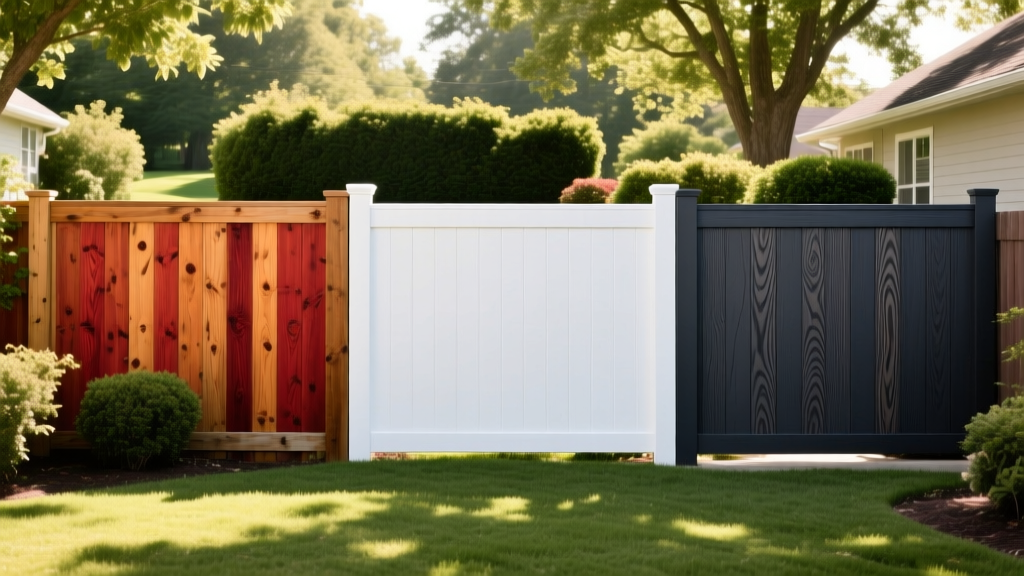
To make an informed capital improvement decision, you must evaluate the total cost of ownership. This includes the initial material and labor outlay, the structural requirements of the chosen medium, and the long-term maintenance schedule. Below is a comprehensive material comparison matrix breaking down the exact costs and structural realities of the three dominant privacy fencing categories.
Material Comparison Matrix: Price vs. Performance
| Material Type | Material Cost (per LF) | Installed Cost (per LF) | Lifespan | Maintenance Requirement |
|---|---|---|---|---|
| Pressure-Treated Pine | $8 - $14 | $18 - $28 | 15 - 20 Years | High (Annual sealing/staining) |
| Western Red Cedar | $15 - $25 | $28 - $45 | 20 - 30 Years | Medium (Bi-annual UV sealing) |
| Virgin Vinyl (PVC) | $14 - $22 | $25 - $45 | 30+ Years | Low (Occasional power washing) |
| Wood-Alternative Composite | $25 - $45 | $40 - $75 | 25 - 30 Years | Low (Soap and water wash) |
Pressure-Treated Wood & Cedar: The Traditional Route
Wood remains the most common privacy fence material, but the grade of lumber you select dictates both the upfront cost and the failure rate. Standard #2 grade pressure-treated pine is the budget option, treated with Micronized Copper Azole (MCA) to resist rot and termite damage. However, #2 grade boards contain large knots and are highly susceptible to cupping and twisting as they dry.
For a premium wood option, Western Red Cedar (specifically Select Tight Knot or STK grade) offers natural tannins that resist insect decay without chemical treatments. Cedar costs roughly 40% more than pressure-treated pine and requires a high-quality penetrating oil sealer (like Armstrong Clark or TWP) every two to three years to prevent UV graying.
Vinyl (PVC): The Low-Maintenance Standard
Vinyl privacy fencing has evolved significantly. Modern high-end vinyl fences utilize co-extrusion technology, featuring a rigid PVC core surrounded by a thin, UV-inhibited cap layer that prevents chalking and fading. When budgeting for vinyl, it is critical to specify virgin PVC rather than recycled blends. Recycled vinyl lacks the titanium dioxide (TiO2) concentrations required to withstand prolonged UV exposure, leading to brittleness and cracking within a decade.
Structurally, vinyl fences must meet ASTM F964 standards for impact and wind load resistance. A standard 6-foot vinyl privacy fence acts as a solid sail in high winds. To prevent panel blowouts, ensure your contractor uses 5x5-inch vinyl posts with internal aluminum inserts, set a minimum of 30 inches deep in concrete. According to HomeAdvisor's fence building guide, upgrading from standard routed vinyl posts to aluminum-reinforced posts adds roughly $4 to $6 per linear foot but doubles the structural wind rating.
Wood-Alternative Composite: The Premium Tier
Composite fencing, such as the industry-leading Trex Seclusions line, offers the aesthetic depth of wood with the rot-resistance of synthetic materials. Made from a blend of reclaimed wood fibers and high-density polyethylene (HDPE), composite pickets are incredibly dense. A single 6-foot Trex picket weighs nearly 12 pounds, meaning a standard 8-foot panel weighs over 70 pounds.
Because composite pickets are exceptionally heavy, standard 4x4 wood posts or hollow vinyl posts will eventually bow or snap under the dead load and wind shear. Composite privacy fences must be built using heavy-gauge 5x5 aluminum insert posts, encased in composite sleeves, and anchored with 1.5 bags of 5000 PSI concrete per hole.
The cost to build a composite privacy fence is the highest among non-masonry options, averaging $55 per linear foot installed. However, the return on investment is substantial: composite requires zero staining, will not splinter, and typically carries a 25-year residential fade and stain warranty.
Labor, Site Prep, and Hidden Cost Variables
The material you choose only accounts for 50% to 60% of the final invoice. The remaining balance is dictated by site-specific variables that contractors factor into their bids. Understanding these hidden costs will prevent sticker shock when reviewing estimates.
- Soil Composition and Rock Excavation: Digging post holes in standard loam or clay takes minutes. Hitting limestone or granite bedrock requires pneumatic breaking tools or rock saws. Contractors typically include a 'rock clause' in their contracts, charging an additional $15 to $25 per linear foot if bedrock is encountered within the top 24 inches of soil.
- Frost Line Compliance: In northern climates, post holes must extend at least 6 inches below the local frost line to prevent frost heave from pushing the fence out of plumb. In USDA Plant Hardiness Zone 4, this means digging 48-inch deep holes, which increases labor time and concrete volume by 30% compared to Zone 8 installations.
- Slope Management (Stepping vs. Racking): Privacy fences cannot be 'racked' (angled to follow the ground) like chain-link or spaced picket fences without creating massive triangular gaps at the bottom. Therefore, privacy fences must be 'stepped' down a slope. Stepping requires custom-cut pickets and additional finish carpentry labor, adding $3 to $5 per linear foot for yards with a grade change exceeding 10%.
- Permitting and Utility Locates: Most municipalities require a zoning permit for fences over 4 feet tall, costing between $50 and $150. Furthermore, while 811 utility locates are free, private utility locates (for irrigation lines, invisible dog fences, or private septic fields) cost $150 to $300 out of pocket.
Cost Multipliers: Gates, Height, and Finishes
Base linear-foot pricing assumes a flat, continuous run of 6-foot-tall fencing with standard 4x4 posts. Any deviation from this baseline triggers specific cost multipliers:
- Height Upgrades (6ft to 8ft): Increasing fence height to 8 feet requires longer, thicker posts (typically 6x6 wood or 6x6 aluminum inserts) and deeper concrete footings. Expect a 35% to 50% increase in total material and labor costs for an 8-foot privacy fence.
- Gate Hardware and Framing: A 4-foot walk gate costs $350 to $800 to build and hang, while a 10-foot double-drive gate costs $1,200 to $2,500. Gates require heavy-duty 6x6 hinge posts, set in 3 bags of concrete, and commercial-grade adjustable hinges (like Locinox) to prevent sagging over time.
- Post Caps and Trim: Adding architectural post caps (copper, solar LED, or composite pyramid) costs $8 to $25 per cap. While aesthetically pleasing, flat wood post caps also serve a vital functional role by shedding water away from the end-grain of the post, significantly delaying rot.
Decision Framework: Which Material Fits Your Budget?
To determine the most logical investment for your property, apply this decision framework based on your timeline and maintenance tolerance:
Choose Pressure-Treated Pine If: Your budget is strictly capped below $25 per linear foot, you are preparing a home for sale in the next 3 years, and you do not mind spending a weekend power-washing and staining the wood annually.
Choose Virgin Vinyl If: You want a clean, uniform aesthetic (particularly in white or tan), you live in a region with high humidity where wood rot is prevalent, and you want a 30-year lifespan with zero structural maintenance.
Choose Composite If: You plan to stay in your home for 15+ years, you prefer the textured, multi-tonal look of natural wood but refuse to maintain it, and your budget comfortably accommodates $50+ per linear foot for a premium, heavy-duty installation.
Written by
James ThorntonJames Thornton is a construction industry veteran with 25 years of hands-on experience in wood framing, lumber grading, and residential building codes. He started as a framing carpenter in rural Oregon, earned his ICC Residential Building Inspector certification, and eventually became a senior plan reviewer for the City of Portland Bureau of Development Services. James holds a B.S. in Wood Science & Technology from Oregon State University and is a certified lumber grader through the West Coast Lumber Inspection Bureau (WCLIB). He has inspected over 3,000 residential construction sites and authored the city's internal guide on advanced framing techniques (2x6 at 24" O.C.). James lives in Bend, OR, where he builds custom timber-frame cabins and competes in lumberjack sports.
More from James Thornton
View all
Insulation
Best Home Insulation Materials: Complete 2026 Guide
Compare top home insulation materials for 2026. Find R-values, installed costs per square foot, and best uses for fiberglass, spray foam, and mineral wool.
Aug 4, 2026

Sustainable Building
Certify Your Green Building Material for LEED and WELL
Step-by-step guide to certifying a green building material for LEED v5 and WELL v2. Master EPDs, HPDs, and VOC limits for 2026 project specifications.
Aug 4, 2026

Stone & Masonry
Veneer Stacked Stone Panels: Interior Design & Style Showcase
Discover how veneer stacked stone panels transform interiors. Explore modern design profiles, material pairings, and technical installation specs.
Aug 4, 2026