Vinyl Fence Fencing: Scenario Matching & Application Guide
Discover how to match vinyl fence fencing to your specific property scenario. Compare PVC profiles, wind ratings, and 2026 costs for optimal application fit.
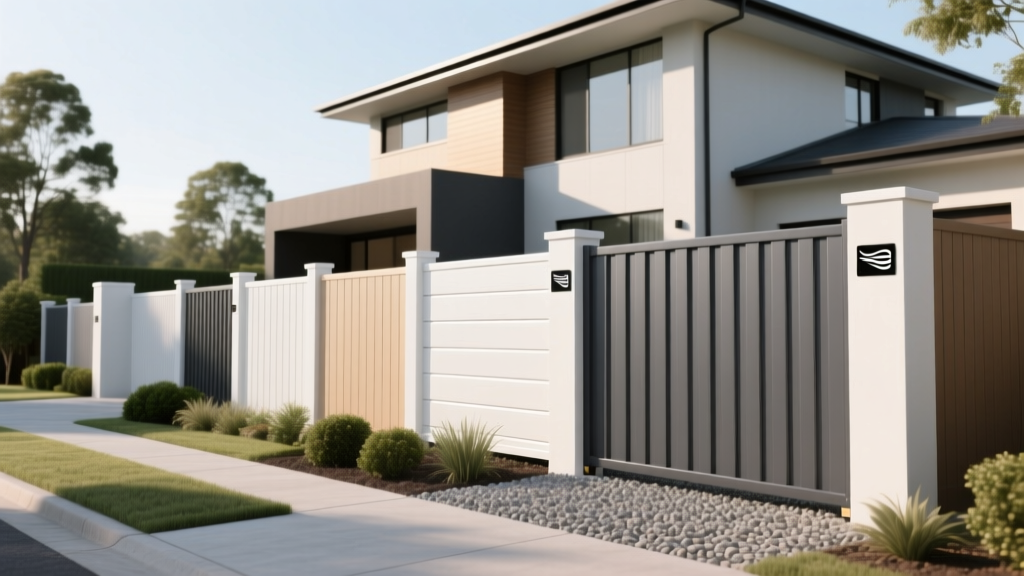
The Application-Fit Framework for PVC Fencing
Selecting a vinyl fence is not a one-size-fits-all decision. While polyvinyl chloride (PVC) offers exceptional resistance to rot, insects, and moisture, its structural performance varies drastically based on profile engineering, wall thickness, and chemical formulation. When homeowners search for a vinyl fence fencing solution, the critical error is treating all PVC extrusions as identical. A standard privacy panel that performs flawlessly in a mild suburban climate will catastrophically fail in a coastal high-wind zone or warp under the thermal load of a dark-colored southern exposure.
This guide provides an application-fit framework, matching specific property scenarios—from BOCA-compliant pool enclosures to sloped terrain—to the exact vinyl specifications, reinforcement methods, and installation protocols required for long-term structural integrity in 2026.
Scenario Matrix: Matching Vinyl Profiles to Property Needs
Before purchasing materials, identify your primary environmental and regulatory constraints. Use this matrix to determine the baseline specifications your project demands.
| Property Scenario | Primary Threat / Requirement | Required Vinyl Spec | Recommended Brand / Line |
|---|---|---|---|
| Coastal / Hurricane Zone | Wind uplift & lateral shear (>110 mph) | .165' wall thickness, full aluminum rail inserts | Barrette Patriot High-Wind |
| Pool Enclosure | BOCA/ICC safety compliance, non-climbable | 48' min height, <4' gap, smooth exterior | CertainTeed Buffalo Tech Privacy |
| Sloped Terrain (Up to 15°) | Grade changes, panel racking stress | Rackable panel design, floating brackets | Trex Fencing (Composite/Vinyl) |
| Southern Exposure / Dark Colors | Thermal expansion, UV degradation, sagging | Acrylic-capped dark vinyl, TiO2 co-extrusion | TimberTech / Trex Dark Profiles |
| Suburban Privacy (Standard) | Sightlines, basic boundary definition | .135' wall thickness, standard routed posts | Barrette Pro Series |
High-Wind & Coastal Zones: Engineering the Fence
In regions subject to high wind loads, standard vinyl fencing is a liability. PVC is inherently brittle at high velocities; it does not bend like chain link or yield like wood. To achieve a Miami-Dade Notice of Acceptance (NOA) rating for wind speeds up to 130 mph, the fence system must utilize internal reinforcement.
Critical Wind-Load Specifications
- Wall Thickness: Upgrade from the industry-standard .135-inch wall thickness to a minimum of .165-inch. This 22% increase in mass drastically improves the moment of inertia, preventing the rails from snapping at the post connection points.
- Aluminum Inserts: Every horizontal rail must house a continuous aluminum insert (typically 1.5' x 1.5' square tubing). This transfers the lateral wind load from the vinyl face directly into the steel or aluminum-reinforced posts.
- Post Embedment: According to the American Fence Association guidelines for high-wind zones, 5x5 vinyl posts must be embedded a minimum of 36 inches into the ground, encased in 3,000 PSI concrete. The post itself must contain a pressure-treated wood core or a heavy-gauge steel pipe to prevent shearing at the grade line.
Pool Enclosures and BOCA Safety Compliance
Fencing around a swimming pool is governed by strict safety codes, primarily the International Swimming Pool and Spa Code (ISPSC) published by the International Code Council (ICC). A standard semi-private vinyl fence with wide gaps is illegal for pool enclosures in most municipalities.
The Application Fit: For pool scenarios, you must select a full-privacy vinyl panel (like the CertainTeed Buffalo Tech) or a specialized pool-code semi-privacy panel where the pickets are spaced at exactly 3.5 inches and all horizontal support rails are routed to the inside (pool-side) of the fence, leaving the exterior completely smooth and unclimbable.
Sloped Terrain: Rackable vs. Stepped Vinyl Systems
Installing a vinyl fence on uneven ground requires a specific mechanical approach. Unlike wood, which can be cut and custom-fitted on-site, vinyl panels are pre-routed and factory-assembled.
Rackable Panels (Slopes up to 15 Degrees)
Rackable vinyl panels utilize a floating picket design. The pickets are not rigidly glued to the horizontal rails; instead, they pass through oversized holes equipped with hidden vinyl or rubber grommets. This allows the entire panel to 'rack' or tilt, following the slope of the ground while keeping the rails parallel to the grade. Limitation: Most rackable systems max out at a 15-degree slope (roughly a 3-inch drop per foot). Beyond this, the pickets will bind and snap.
Stepped Installation (Slopes exceeding 15 Degrees)
For steep inclines, the fence must be 'stepped.' This involves keeping the vinyl panels perfectly level but dropping each subsequent panel down the hill, creating a staircase effect. This requires taller, custom-cut vinyl posts to accommodate the overlapping panel ends and leaves a triangular gap at the bottom of each step that must be filled with custom-cut PVC board or landscaping.
The Dark Color Dilemma: Thermal Expansion in 2026
The 2026 design trend heavily favors matte black, charcoal, and dark bronze vinyl fences. However, dark PVC absorbs significantly more solar radiation than white. On a 95°F day, a black vinyl rail can reach surface temperatures exceeding 150°F.
Standard PVC softens and sags at these temperatures. To solve this, premium manufacturers now use acrylic-capped co-extrusion. The outer layer of the vinyl is capped with a specialized dark acrylic alloy (like ASA) that reflects infrared heat, while the inner core remains rigid PVC. If you are installing a dark vinyl fence on a southern or western exposure, you must verify the manufacturer's thermal expansion warranty. You will also need to leave a strict 1/4-inch expansion gap at every rail-to-post connection to prevent buckling.
2026 Installed Cost Breakdown by Scenario
Pricing for vinyl fencing has stabilized in 2026, though specialized profiles and reinforcement systems command a premium. The following table reflects national averages for professional installation, including materials, concrete, and labor.
| Application Scenario | Material Cost (per lin. ft.) | Installed Cost (per lin. ft.) | Primary Cost Driver |
|---|---|---|---|
| Standard 6' Privacy (White) | $22 - $28 | $42 - $55 | Basic labor and concrete |
| High-Wind Reinforced (NOA Rated) | $35 - $45 | $65 - $85 | Aluminum inserts, deep post holes, steel cores |
| Pool Code Compliant (Semi-Private) | $28 - $34 | $50 - $65 | Precision routing, specialized latch hardware |
| Dark Color Acrylic-Capped Privacy | $32 - $42 | $58 - $75 | Premium resin manufacturing, UV warranties |
Expert Troubleshooting: Preventing Common Vinyl Failures
Vinyl fencing is virtually maintenance-free, but it is not installation-forgiving. The majority of vinyl fence failures occur due to improper hardware selection and ignoring the material's physical properties.
- Failure Mode: Gate Sagging
Cause: Vinyl gate frames are hollow and rely on corner brackets. Over time, the weight of the gate causes the vinyl to deform at the joints, dragging the latch.
Fix: Never rely on standard vinyl gate kits for openings wider than 4 feet. Specify an aluminum-framed gate wrapped in vinyl cladding, or install a heavy-duty stainless steel turnbuckle cable system (like the Locinox Thrust) inside the hollow vinyl frame to maintain diagonal tension. - Failure Mode: Rail Pull-Out in Temperature Swings
Cause: PVC expands and contracts at a rate of approximately 1/8 inch per 10 feet for every 10°F temperature change. If rails are rigidly screwed to the posts, winter contraction will rip the vinyl tabs out of the routed holes.
Fix: Use routed posts with vinyl or aluminum locking tabs that allow the rail to slide horizontally by 1/4 inch. Never drive a self-tapping screw directly through the face of a vinyl post into the rail end. - Failure Mode: Surface Chalking and Fading
Cause: The manufacturer used 'mono-extrusion' (mixing UV inhibitors throughout the whole profile) instead of 'co-extrusion' (concentrating titanium dioxide in the outer layer). Once the surface TiO2 depletes, the PVC breaks down into a chalky residue.
Fix: This cannot be reversed. To prevent it, only purchase vinyl fencing that explicitly guarantees a co-extruded, dual-layer manufacturing process with a minimum of 10 parts titanium dioxide in the cap layer.
Matching your vinyl fence to your specific environmental and regulatory scenario ensures the investment lasts decades without structural compromise. Always verify local municipal codes regarding wind loads and pool barriers before finalizing your material order.