How to Clean a Fluffy Rug Carpet Without Ruining the Pile
Learn the exact playbook for vacuuming, spot-cleaning, and deep-washing a fluffy rug carpet to maintain its high pile and prevent matting.
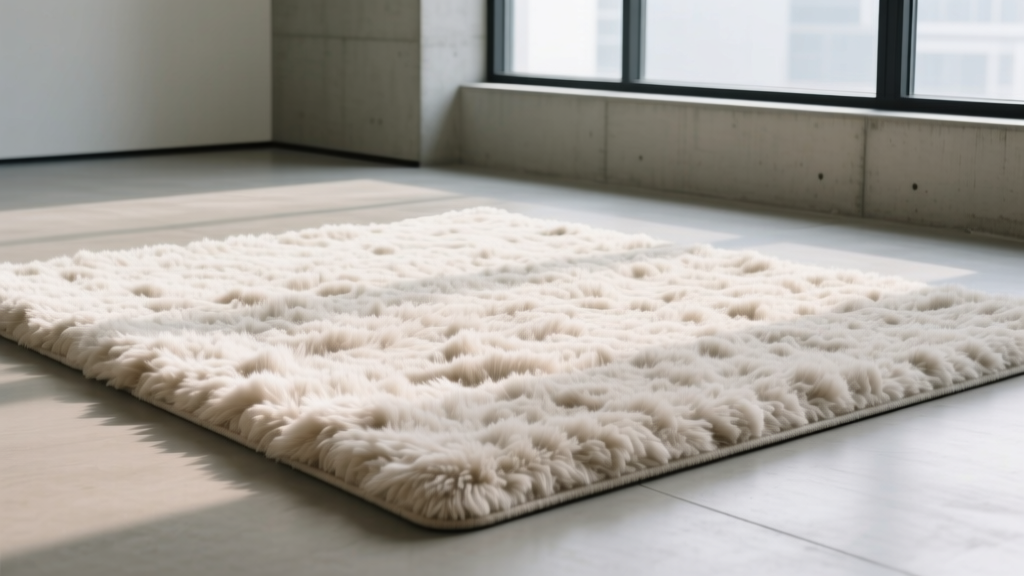
The Physics of High-Pile Maintenance
A fluffy rug carpet—encompassing shag, high-pile, and faux fur styles—presents unique maintenance challenges. The extended fibers (often exceeding 1.5 inches in length) trap up to 10 times more particulate matter, dust mites, and skin cells than low-pile commercial carpets. According to the Carpet and Rug Institute (CRI), improper agitation can permanently fracture synthetic fibers or tear the primary backing. Maintaining the structural integrity of a fluffy rug carpet requires abandoning standard carpet cleaning protocols in favor of low-shear, low-moisture techniques.
The Daily and Weekly Vacuuming Protocol
Routine soil removal is the most critical factor in extending the lifespan of high-pile textiles. Embedded grit acts like microscopic sandpaper, cutting fibers at the base when walked upon.
Equipment Selection and Settings
- Canister Vacuums: Use a suction-only canister vacuum with a wide, non-motorized floor nozzle. This is the gold standard for fluffy rug carpets.
- Upright Vacuums: If you must use an upright, ensure the brush roll can be manually switched off. Set the height adjustment dial to the absolute highest setting so the vacuum head glides over the pile rather than sinking into it.
- Suction Control: If your vacuum features variable suction, reduce it by 30%. Excessive suction can pull the fluffy fibers into the intake port, causing temporary stretching or permanent distortion.
Technique
Vacuum in a slow, deliberate grid pattern. Pass over each section twice: once horizontally and once vertically. Rushing the vacuum head creates a wake that bends the pile rather than extracting dirt from the base.
Spot Cleaning Matrix for High-Pile Fibers
When a spill occurs on a fluffy rug carpet, the liquid rapidly travels down the shaft of the fiber to the backing. Rubbing the stain generates friction heat, which can literally melt synthetic fibers like polyester and nylon. Always blot, never scrub.
| Stain Type | Cleaning Agent | pH Requirement | Application Method |
|---|---|---|---|
| Pet Urine / Vomit | Enzymatic Cleaner (e.g., Nature's Miracle) | 6.5 - 7.5 (Neutral) | Saturate the area to reach the backing. Let sit for 15 mins, then extract with a wet vac. Do not blot. |
| Red Wine / Berries | 3% Hydrogen Peroxide + 1 drop dish soap | ~7.0 (Neutral) | Apply with a spray bottle. Blot with a microfiber cloth. Rinse with cold water to prevent peroxide bleaching. |
| Cooking Oil / Grease | Dry Cleaning Solvent or Isopropyl Alcohol | N/A (Solvent) | Apply to a clean white cloth first, then press onto the stain. Solvents evaporate quickly, preventing backing saturation. |
| Mud / Dirt | None (Dry) | N/A | Allow to dry completely. Vacuum thoroughly. If a shadow remains, use a 1/4 tsp dish soap to 1 cup cold water solution. |
Source reference: Spot removal chemistry guidelines adapted from the Carpet and Rug Institute Spot Removal Guide.
The Deep Clean Playbook: Dry vs. Wet Extraction
Deep cleaning a fluffy rug carpet every 12 to 18 months is necessary to remove oxidized soils and sticky residues. However, the method you choose dictates whether the rug survives the process.
Why Hot Water Extraction (Steam Cleaning) is Risky
Traditional hot water extraction (HWE) uses water heated between 150°F and 200°F. Many fluffy rug carpets, particularly those with tufted constructions, use a latex-based adhesive to bind the secondary backing. High heat degrades this latex, causing the backing to delaminate, bubble, or crumble. Furthermore, the dense pile retains moisture for days, creating an ideal environment for mold and mildew growth beneath the rug.
The Recommended Protocol: Dry Compound Cleaning
For high-pile and shag rugs, dry compound cleaning or low-moisture encapsulation is the safest professional-grade method.
- Pre-Vacuum: Perform a thorough dry soil extraction as outlined in the weekly protocol.
- Apply Compound: Spread a dry, absorbent compound (such as HOST Dry Carpet Cleaner) evenly across the surface. These compounds are slightly moist sponges carrying microscopic detergents.
- Agitate Gently: Use a soft-bristled cylindrical brush machine or a manual carpet rake to work the compound down to the base of the pile. Do not use stiff deck brushes.
- Dwell Time: Allow the compound to dry completely, usually 30 to 45 minutes. As it dries, it absorbs the suspended soils.
- Extract: Vacuum the rug thoroughly using a suction-only head to remove the dried compound and the trapped dirt.
Restoring the Fluff: Mechanical Grooming Techniques
Even with perfect cleaning, foot traffic will eventually compress the pile of a fluffy rug carpet. Mechanical grooming is required to physically lift the fibers and restore the rug's visual depth.
The Carpet Rake Method
Invest in a professional carpet rake (such as the Grandi Groom). Unlike standard brooms, carpet rakes feature wide, flexible tines designed to penetrate deep into the pile without snapping the fibers. Rake the rug in multiple directions once a month to break up compacted soil and lift crushed fibers.
The Ice Cube Trick for Furniture Dents
Heavy furniture leaves permanent-looking craters in fluffy rugs. To fix this:
- Place 2 to 3 ice cubes directly into the dent.
- Allow the ice to melt completely (approx. 4 hours). The synthetic or natural fibers will absorb the water and swell.
- Blot the excess moisture with a dry towel.
- Use your fingers or the edge of a spoon to gently fluff the fibers upward. Allow to air dry.
Critical Failure Modes to Avoid
Based on warranty claim data and textile restoration reports, the following mistakes cause irreversible damage to fluffy rug carpets:
If your fluffy rug contains wool, avoid any cleaner with a pH above 8.0. High alkalinity strips the natural lanolin from wool fibers, causing them to become brittle, yellow, and prone to severe matting. Always test an inconspicuous corner with pH strips before applying any chemical.
- Bleach and Oxidizers: Never use chlorine bleach. Even diluted, it will destroy the disulfide bonds in protein fibers (wool/silk) and strip the dye from synthetics.
- Stiff Bristle Brushes: Scrubbing a stain with a stiff nylon brush will fray the tips of the fluffy fibers, creating a permanent "fuzzy" or halo effect around the cleaned area that looks like permanent damage.
- Over-wetting: As noted by the Good Housekeeping Institute, over-wetting carpets is a primary cause of browning. When too much water is used, soils from the backing wick up to the tips of the fibers as the rug dries, leaving brown rings.
By adhering to low-moisture cleaning, suction-only vacuuming, and mechanical grooming, a fluffy rug carpet can maintain its luxurious texture and structural integrity for over a decade.