How Do I Get Rid of Carpet Beetles Based on Flooring Type?
Learn how do I get rid of carpet beetles based on your flooring type. Scenario-matched eradication protocols for wool, synthetic, and hard surfaces.
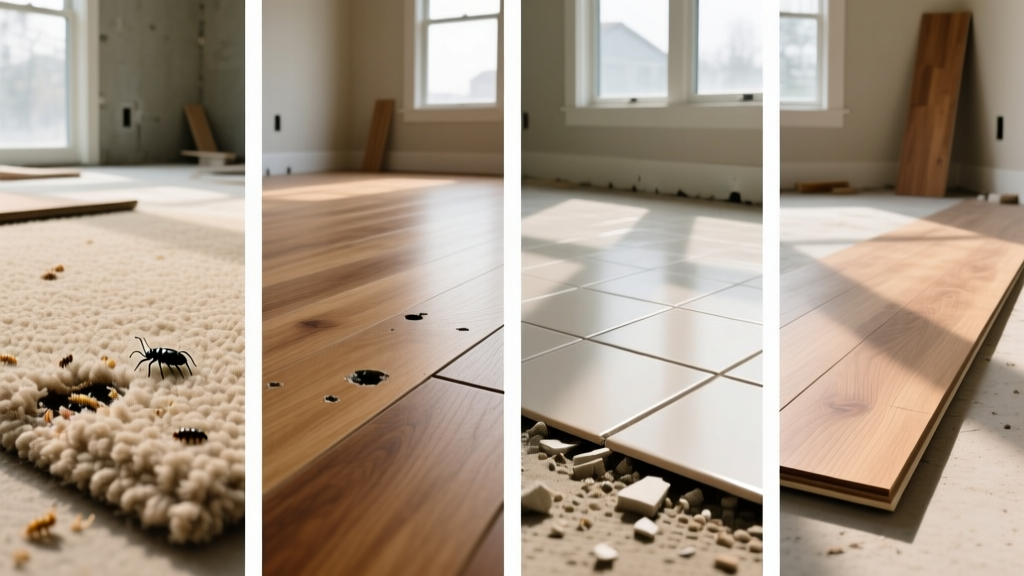
The Biology-Flooring Connection: Why Your Floor Type Dictates Treatment
If you are researching how do I get rid of carpet beetles, the most effective eradication strategy depends entirely on your specific flooring material. Carpet beetles—primarily the varied carpet beetle (Anthrenus verbasci) and the black carpet beetle (Attagenus unicolor)—do not actually eat modern synthetic carpets. Their larvae feed exclusively on keratin, a structural protein found in animal-based materials like wool, silk, feathers, and pet hair.
Understanding this biological imperative is the first step in application-fit pest control. A wall-to-wall wool carpet provides an all-you-can-eat buffet and a protected breeding ground. Conversely, luxury vinyl plank (LVP) or sealed hardwood floors offer zero nutritional value; beetles in these environments are either using the floor as a transit route to adjacent fabrics or feeding on accumulated keratin-rich debris (pet dander, human hair, dead insects) trapped in expansion gaps and baseboard crevices.
Diagnostic Check: Carpet Beetle vs. Bed Bug
Before deploying treatments, verify the pest. Carpet beetle larvae are small (1/8 to 1/4 inch), carrot-shaped, and covered in distinct bristles or hairs. They leave behind molted skins and frass (fecal pellets resembling fine sand). Bed bugs are flat, reddish-brown, lack bristles, and leave rust-colored fecal spots. Carpet beetles do not bite humans. If you are experiencing bites, you are likely dealing with a different pest or an allergic reaction to the beetle's bristles.
Scenario 1: Eradication Protocols for Wool and Natural Fiber Carpets
Wool, silk, and animal-hide rugs are highly susceptible to severe structural damage from carpet beetle larvae. Eradication here requires a multi-pronged approach that targets both the adult beetles and the hidden larvae deep within the carpet pile and jute backing.
Step-by-Step Wool Carpet Protocol
- Agitation and HEPA Vacuuming: Use a vacuum with a motorized beater bar to physically agitate the carpet pile. This dislodges larvae and eggs bound to the fibers. Vacuum slowly (1 second per linear foot) in overlapping, cross-hatch patterns. Immediately seal and dispose of the vacuum bag or empty the canister into an exterior trash bin to prevent re-infestation.
- Thermal Shock (Steam Cleaning): Carpet beetle larvae die at temperatures above 120°F. Rent a commercial-grade hot water extractor capable of sustaining water temperatures at 130°F to 150°F at the wand tip. The thermal exposure must last for at least 10 seconds per square foot to penetrate the backing where larvae hide.
- IGR Application: Apply an Insect Growth Regulator (IGR) containing hydroprene (e.g., Gentrol IGR). IGRs mimic juvenile hormones, preventing larvae from molting into reproductive adults. Mix according to label rates (typically 1 oz per gallon of water) and apply using a low-pressure pump sprayer, ensuring the carpet backing is lightly dampened.
Scenario 2: Hardwood, LVP, Tile, and Synthetic Carpets
Finding carpet beetles on hard surface floors or synthetic carpets (nylon, polyester, olefin) indicates an environmental debris issue. Synthetic fibers cannot be digested by the larvae, but the jute or felt backing of area rugs laid over hard floors often contains enough natural cellulose and trapped keratin to sustain a small population.
Perimeter and Crevice Treatment Strategy
On hard surfaces, carpet beetles congregate in dark, undisturbed perimeter zones. Your treatment focus must shift from broad surface application to targeted crack-and-crevice interventions.
- Baseboard and Tack Strip Injection: Use a bellows duster to inject amorphous silica gel dust directly into the gap between the baseboard and the floor, as well as under the carpet tack strips where the pad meets the subfloor.
- Area Rug Isolation: Remove all area rugs from the hard floor. Inspect the underside for frass and webbing. Have natural-backed rugs professionally cleaned or frozen (commercial pest-control freezers operate at -20°F for 72 hours to kill all life stages).
- Pheromone Trapping: Deploy sticky traps baited with carpet beetle pheromones along baseboards. While traps will not eliminate an infestation, they serve as critical monitoring tools to gauge the success of your chemical and mechanical interventions.
Treatment Matrix: Matching Solutions to Flooring Types
The following matrix outlines the primary interventions required based on your specific flooring scenario. According to integrated pest management guidelines from UC Agriculture and Natural Resources, combining mechanical removal with targeted chemical barriers yields the highest long-term success rates.
| Flooring Scenario | Primary Threat Zone | Mechanical Action | Chemical/Desiccant Action |
|---|---|---|---|
| Wall-to-Wall Wool | Deep pile & jute backing | Beater-bar vacuum, 130°F+ steam | Hydroprene IGR spray |
| Synthetic Carpet | Perimeter edges, under furniture | Standard vacuuming, decluttering | Silica gel dust at edges |
| Hardwood / LVP | Expansion gaps, baseboards | Crevice tool vacuuming | Crack-and-crevice aerosol, dust |
| Tile / Stone | Grout lines, under area rugs | Wet mopping, rug removal | Pheromone monitoring traps |
The Desiccant Arsenal: Amorphous Silica Gel vs. Diatomaceous Earth
When treating hard floors and carpet perimeters, desiccant dusts are highly effective because they destroy the waxy lipid layer of the insect's exoskeleton, causing fatal dehydration. However, not all desiccants perform equally in modern building environments.
Expert Insight: While Diatomaceous Earth (DE) is widely recommended in older literature, Penn State Extension and modern pest control professionals increasingly favor amorphous silica gel (such as CimeXa). Silica gel absorbs moisture up to four times faster than DE and remains effective at much lower ambient humidity levels, making it vastly superior for indoor baseboard and subfloor applications.
Application Specifics: Desiccants must be applied as a barely visible film. Piles of dust will simply be avoided by the insects. Use a specialized bellows duster (like a JT Eaton Bellow Hand Duster, approx. $15) to puff the silica gel deep into floor joists, subfloor gaps, and behind baseboards. A 10 oz bottle of commercial-grade amorphous silica gel costs roughly $25 and is sufficient to treat the perimeter of an entire 2,500 sq ft home.
Long-Term Prevention and Flooring Replacement Considerations
If your current flooring is severely compromised or you are planning a renovation, selecting beetle-resistant materials is the ultimate preventative measure. If you prefer the soft underfoot feel of carpet but want to eliminate keratin-based food sources, specify 100% solution-dyed nylon or polyester carpets with a synthetic polypropylene backing. These materials offer zero nutritional value to Anthrenus or Attagenus larvae.
For hard surface transitions, ensure that flooring contractors use high-quality, flexible polyurethane caulk to seal the joint between the flooring and the baseboard, rather than leaving a standard 1/4-inch expansion gap exposed. Sealing these micro-habitats removes the dark, undisturbed transit routes that carpet beetles rely on to move between rooms and access adjacent fabric furnishings. By matching your eradication protocol to your specific flooring substrate, you can break the life cycle of the infestation without relying on costly, broad-spectrum professional fumigation.