Luxury Vinyl Flooring Cleaning Playbook: Daily and Deep Care
Master luxury vinyl flooring maintenance with our expert cleaning playbook. Learn daily, weekly, and deep-care routines to protect your LVP investment.
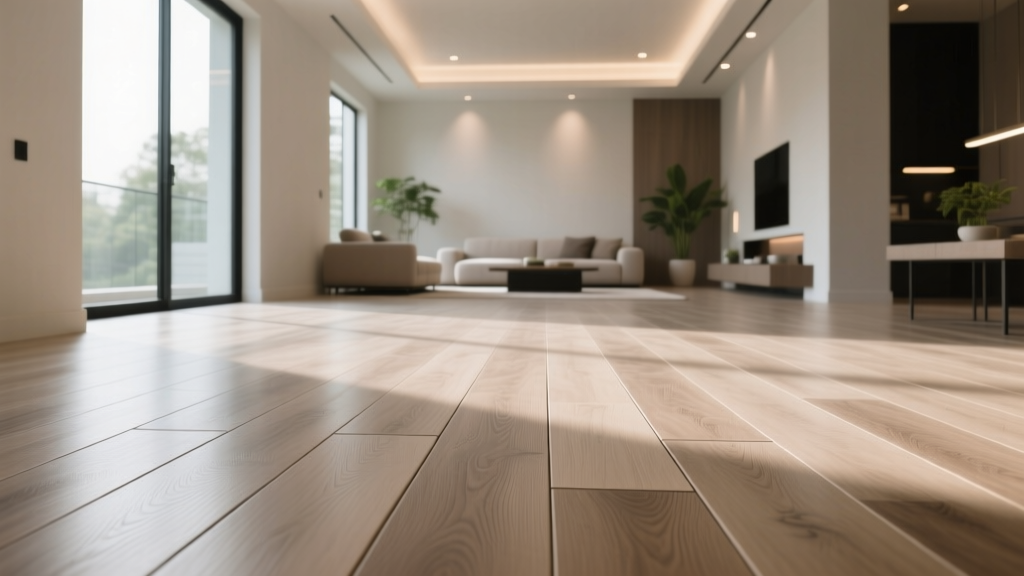
The Anatomy of the Wear Layer: Why Cleaning Protocols Matter
Luxury vinyl flooring (LVF), encompassing both luxury vinyl plank (LVP) and luxury vinyl tile (LVT), is engineered with a clear polyurethane or urethane wear layer that typically ranges from 12 mil to 28 mil in residential applications, and up to 40 mil in commercial settings. This wear layer is not merely a cosmetic shield; it is a highly engineered chemical barrier often embedded with aluminum oxide or ceramic bead technology to resist micro-scratches.
Understanding this anatomy is critical because the primary goal of your cleaning playbook is not just to remove dirt, but to preserve the chemical integrity of this urethane topcoat. Using highly alkaline cleaners (pH above 8) or acidic solutions (pH below 6) will systematically degrade the urethane bonds, leading to permanent hazing, loss of gloss, and increased susceptibility to staining. According to Shaw Floors' official maintenance guidelines, preserving the factory-applied finish requires strict adherence to neutral-pH cleaning agents and specific mechanical actions.
The Daily and Weekly Luxury Vinyl Flooring Cleaning Playbook
Routine maintenance prevents abrasive particulate matter—like silica sand and pet dander—from acting as microscopic sandpaper against the wear layer. Implement this structured routine to maintain the floor's optical clarity and structural defense.
Daily Dry Dusting and Debris Removal
- Tool Selection: Use a high-density microfiber dust mop. Cotton mops and traditional brooms push debris into the embossed grout lines and micro-bevels of the planks, whereas microfiber generates an electrostatic charge that lifts and traps particulates.
- Vacuuming Protocol: If using a vacuum, it must feature a dedicated "hard floor" setting. The rotating beater bar (brush roll) must be completely disengaged. Beater bars spinning at 6,000+ RPM will micro-scratch the urethane layer and can physically chip the edges of click-lock planks over time.
Weekly Damp Mopping
When dry methods are insufficient, transition to damp mopping. The critical metric here is moisture volume. LVF is highly water-resistant, but the seams between planks are vulnerable. Excess water can seep into the click-lock mechanisms, causing the high-density fiberboard (HDF) or rigid stone plastic composite (SPC) cores to swell or delaminate.
- Preparation: Vacuum or dry-mop the floor first to remove loose grit. Mopping over grit creates a slurry that scratches the surface.
- Solution Mixing: Fill a bucket with warm (not hot) water. Add a dedicated hard-surface floor cleaner, such as Bona Hard Surface Floor Cleaner or Black Diamond Stoneworks. If using a concentrate, adhere strictly to the manufacturer's dilution ratio—typically 2 ounces per gallon of water. Over-concentrating leaves a sticky residue that attracts more dirt.
- Application: Wring the microfiber mop head until it is merely damp, not dripping. Mop in the direction of the plank installation to push debris out of the embossed textures rather than trapping it.
- Drying: Allow the floor to air dry. In high-humidity environments, follow up with a dry microfiber cloth to prevent water spotting.
Deep Cleaning Protocols: Stripping Grime Without Damaging Urethane
Over time, improper cleaning products, hard water minerals, and tracked-in oils create a dulling film on the surface of luxury vinyl flooring. Deep cleaning requires breaking down this film without stripping the factory urethane coat.
Identifying the Buildup
Before applying heavy-duty cleaners, identify the nature of the film. If the floor feels tacky, the buildup is likely soap residue from over-concentrated cleaners. If the floor looks chalky or hazy, it is likely hard water mineral deposits or chemical etching from alkaline cleaners. The EPA Safer Choice program recommends utilizing certified neutral-pH products to prevent chemical etching on sensitive polyurethane surfaces.
The Ammonia-Free Stripping Method
To safely remove stubborn buildup, use a commercial-grade neutral pH floor stripper or a highly diluted solution of white vinegar and distilled water (1 part vinegar to 10 parts water). Apply the solution to a 3x3 foot section, allow it to dwell for exactly three to five minutes to soften the residue, and agitate gently with a soft-bristled deck brush or a non-scratching white nylon scrub pad. Extract the dirty water immediately with a wet-dry vacuum or a thoroughly wrung mop, then rinse the section with clean distilled water.
Stain Removal Matrix: Targeted Solutions for Common Spills
Luxury vinyl is highly stain-resistant, but prolonged exposure to certain chemicals and organic compounds can penetrate the microscopic pores of the wear layer. Use the following matrix to address specific stains without resorting to abrasive scrubbing.
| Stain Type | Primary Cause | Recommended Solvent / Cleaner | Application Method |
|---|---|---|---|
| Scuff Marks | Rubber soles, furniture drag | Melamine sponge (Magic Eraser) or WD-40 | Lightly dampen sponge; test WD-40 in hidden area, wipe immediately. |
| Grease / Cooking Oil | Kitchen splatter, tracked-in garage oil | Isopropyl alcohol (70%) or mineral spirits | Apply to microfiber cloth, dab (do not rub), rinse with water. |
| Pet Urine | Animal accidents | Enzymatic cleaner (e.g., Nature's Miracle) | Spray, let sit for 10 mins to break down uric acid, blot dry. |
| Ink / Permanent Marker | Accidental drops, children's art supplies | Rubbing alcohol (90%+) or acetone-free nail polish remover | Dab with cotton swab, neutralize with water immediately. |
| Hard Water Spots | Mineral deposits from mopping or leaks | White vinegar diluted 1:10 with distilled water | Spray, let sit 3 minutes, wipe with damp microfiber. |
Critical Maintenance Mistakes That Void Warranties
Manufacturers of premium LVF brands like COREtec, Shaw, and Armstrong explicitly outline maintenance exclusions in their warranty documentation. As noted in The Spruce's comprehensive guide to vinyl floor care, improper maintenance is the leading cause of denied warranty claims. Avoid the following catastrophic errors:
Steam mops generate vapor at temperatures exceeding 200°F (93°C). While the PVC and SPC cores of luxury vinyl are durable, the heat from a steam mop will soften the polyurethane wear layer, causing it to peel or haze. More critically, the pressurized steam forces moisture deep into the click-lock seams, compromising the structural integrity of the floating floor system and voiding the water-resistance warranty.
- Applying Wax or Acrylic Finishes: Unlike VCT (Vinyl Composition Tile) used in commercial spaces, modern LVF is a "no-wax" floor. Applying paste wax, acrylic polish, or "mop and shine" products creates a slippery, uneven film that traps dirt and requires harsh chemical strippers to remove.
- Using Abrasive Pads: Steel wool, green Scotch-Brite pads, and stiff-bristled brushes will physically sand away the urethane topcoat, leaving permanent dull patches that contrast with the surrounding floor.
- Ignoring Spill Dwell Time: While LVF is water-resistant, it is not impervious to chemical staining. Leaving acidic spills (like tomato sauce, wine, or citrus juice) on the floor for more than 20 minutes can etch the wear layer.
Protecting the Wear Layer: Furniture Pads and UV Defense
Maintenance extends beyond cleaning; it encompasses proactive physical protection. The wear layer can only withstand a specific amount of point-load pressure before it yields.
Implementing Point-Load Protection
Equip all furniture legs with high-density felt pads. Avoid hard plastic or rubber glides, which can cause chemical plasticizer migration—a reaction where the chemicals in the rubber leach into the vinyl, causing permanent yellowing or staining. For heavy appliances (refrigerators, ranges), use wide, non-staining appliance rollers or lay down a sheet of 1/4-inch plywood to distribute the weight evenly across multiple planks before sliding the appliance into place.
Mitigating UV Degradation
Prolonged exposure to direct ultraviolet (UV) light will cause the printed decorative layer beneath the wear coat to fade or discolor unevenly. While the urethane layer offers minimal UV protection, it is not a substitute for window treatments. Install UV-blocking window films or utilize sheer blinds in rooms with heavy southern or western sun exposure to maintain uniform coloration across the flooring surface over its 15- to 25-year lifespan.