Modern Floor Lamps for Living Room: Flooring Durability Analysis
How modern floor lamps for living room setups impact flooring durability. Learn base weight limits, heat risks, and protection for hardwood and LVP.
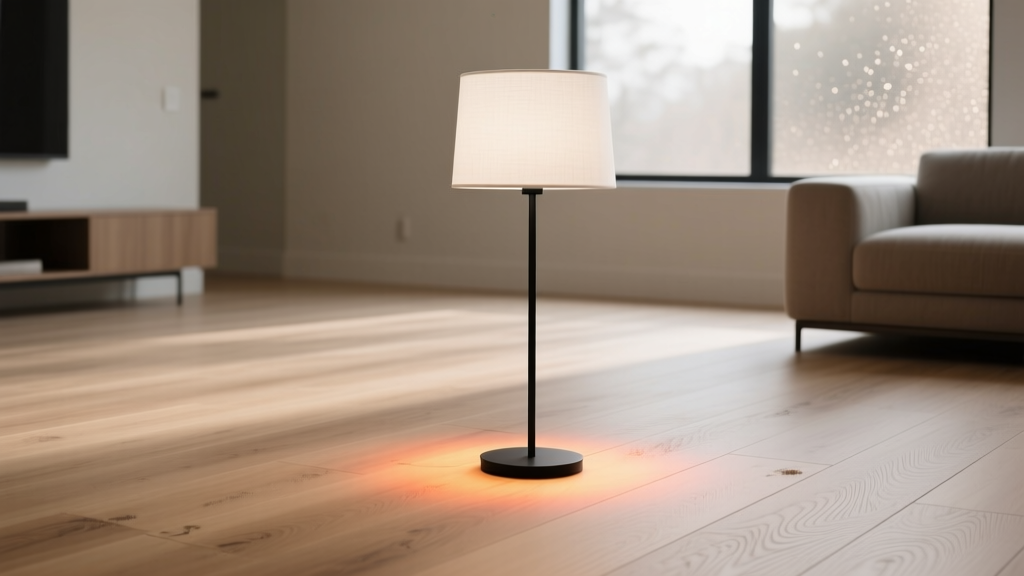
The Hidden Intersection of Lighting and Floor Lifespans
When designing a living space, lighting and flooring are typically treated as isolated categories. However, the physical interaction between heavy lighting fixtures and your floor surface dictates the long-term durability of both. As modern floor lamps for living room environments evolve in 2026—featuring denser materials like cast iron, poured concrete, and thick marble bases for stability—the static and dynamic loads they place on flooring have increased significantly. A poorly paired lamp base can cause permanent indentation on luxury vinyl, micro-abrasions on polyurethane wood finishes, and even thermal degradation on sensitive synthetic surfaces. This analysis breaks down the exact mechanical and chemical interactions between contemporary lamp designs and various flooring options, providing a procurement framework to protect your investment.
Static Load and Compression: Base Weight vs. Flooring PSI
The primary threat modern floor lamps pose to living room flooring is static compression. Unlike furniture that distributes weight across four legs, a floor lamp concentrates its entire mass—often ranging from 15 to 45 pounds—onto a single base footprint. If that base is small, the Pounds per Square Inch (PSI) can easily exceed the indentation threshold of softer flooring materials.
| Flooring Material | Average Indentation Threshold | Vulnerability to Heavy Lamp Bases | Required Base Protection |
|---|---|---|---|
| Solid Hardwood (Oak/Hickory) | High (Janka > 1200 lbf) | Low risk of denting; high risk of finish scratching | 1/4-inch 100% wool felt |
| Engineered Hardwood | Medium (Depends on top veneer) | Moderate risk of veneer compression | Wide-load dispersal pad |
| Luxury Vinyl Plank (LVP) | Low (Static limit ~250-500 PSI) | High risk of permanent indentation | Non-staining, wide footprint coaster |
| Porcelain/Ceramic Tile | Very High (> 25,000 PSI compressive) | Negligible compression risk; grout line stress | Anti-slip silicone pad |
| Carpet (Plush/Berber) | N/A (Fiber crush rating applies) | High risk of permanent fiber crushing | Carpet shield / wide base plate |
According to guidelines from the Resilient Floor Covering Institute (RFCI), many rigid core and LVP products have strict static load limits. Placing a 30-pound architectural lamp with a 4-inch diameter base on LVP generates roughly 2.4 PSI, which is generally safe. However, if the base features small, protruding rubber feet (reducing the contact area to less than 1 square inch total), the PSI spikes dramatically, leading to permanent plastic deformation of the vinyl wear layer.
Thermal Dynamics and Chemical Migration in Synthetic Floors
Beyond physical weight, modern lighting introduces thermal and chemical variables that severely impact flooring lifespans. While the shift to integrated LED technology has eliminated the extreme ambient heat generated by older halogen torchiere lamps, the electrical drivers housed within the bases of many 2026 smart lamps can still produce localized heat.
Luxury Vinyl Plank begins to soften and lose structural integrity at temperatures exceeding 140°F (60°C). If a floor lamp with a poorly ventilated base transformer rests directly on LVP, the trapped heat can cause the vinyl to warp or the click-lock seams to separate over time. Always ensure base drivers have adequate airflow or elevate the base slightly off the floor surface.
The Plasticizer Migration Problem
The most insidious threat to vinyl and LVP flooring is chemical, not physical. Many modern floor lamps ship with pre-attached black rubber or latex anti-slip feet. When these rubber compounds sit in prolonged contact with PVC-based flooring, a chemical reaction known as plasticizer migration occurs. The plasticizers in the vinyl react with the rubber, creating a permanent, irremovable yellow or brown stain that penetrates the wear layer. The National Wood Flooring Association (NWFA) and resilient flooring manufacturers universally advise against using rubber-backed mats or rubber feet on any synthetic floor. Always replace factory rubber feet with 100% natural wool felt or non-reactive PTFE (Teflon) pads.
Abrasion, Cord Routing, and Finish Degradation
Flooring lifespan is frequently cut short by the dynamic movement of floor lamps. Living room layouts change, and lamps are routinely dragged or tilted to vacuum underneath or reroute power cords. This dynamic friction destroys floor finishes.
- The Tilt-and-Drag Effect: When moving a heavy arc lamp, users typically tilt it onto the edge of the base and drag it. If the base is bare metal or features a hard plastic rim, this concentrates the entire weight onto a razor-thin edge, instantly gouging site-finished hardwood and scratching the aluminum oxide coating on pre-finished planks.
- Cord Abrasion: Power cords routed under area rugs or dragged across hard surfaces act like a saw. The repeated foot traffic over a cord trapped between a rug and a hardwood floor will eventually wear through the polyurethane finish and dent the wood fibers beneath.
- Micro-Debris Trapping: Hollow-bottomed lamp bases trap dust, sand, and pet dander. When the lamp is rotated to adjust the light head, this trapped debris acts as sandpaper, creating circular micro-scratches that dull the floor's reflectivity over time.
2026 Procurement Framework: Matching Lamps to Floors
To maximize the lifespan of both your lighting and your flooring, use this decision matrix when selecting modern floor lamps for living room installations.
- For Site-Finished Hardwood: Prioritize lamps with wide, flat, weighted bases rather than concentrated pedestal bases. Apply a minimum 1/4-inch thick, 100% wool felt pad using a non-solvent acrylic adhesive. Avoid rubber entirely.
- For Luxury Vinyl Plank (LVP) & SPC: Verify the lamp's total weight and calculate the PSI based on the base's square inch footprint. Ensure the base is completely flat. If the lamp features a built-in LED driver in the base, verify the manufacturer's thermal output specifications to ensure it stays below 100°F during continuous operation.
- For Natural Stone and Tile: Compression is not a concern, but lateral slipping is. Stone-on-stone or metal-on-tile contact creates acoustic resonance and slip hazards. Use high-durometer silicone pads to absorb vibration and prevent the lamp from 'walking' across the slick tile surface when bumped.
- For High-Pile Carpets: Avoid narrow pedestal bases that will sink and cause the lamp to become unstable. Opt for wide-diameter bases (minimum 12 inches) or utilize specialized carpet casters that distribute the load across the carpet backing rather than crushing the face fibers.
'The longevity of a living room floor is rarely determined by foot traffic alone; it is the concentrated, static, and chemical loads from heavy furniture and lighting fixtures that cause the most irreversible damage.' — Architectural Flooring Design Standards, 2025 Edition.
Expert FAQ
Can I use a heavy marble-based arc lamp on engineered hardwood?
Yes, but with strict precautions. Engineered hardwood features a real wood veneer top layer that is susceptible to denting just like solid wood. Because arc lamps often weigh over 50 pounds due to the counterbalance required for the extended arm, you must use a wide-load dispersal coaster (at least 8 inches in diameter) beneath the marble base to reduce the PSI below the wood's Janka hardness threshold.
Why did my floor lamp leave a dark ring on my vinyl plank floor?
This is plasticizer migration caused by reactive rubber feet. The chemicals in the synthetic rubber have permanently stained the PVC wear layer. This damage cannot be buffed out or cleaned; the only remedy is replacing the affected planks. Immediately swap all rubber feet on your modern floor lamps for non-staining wool felt.
Do smart floor lamps with Wi-Fi hubs in the base damage floors?
Wi-Fi hubs and smart home integrators generate continuous low-level heat. While the U.S. Department of Energy notes that modern LED and smart components are highly efficient, enclosed base housings can trap heat. On sensitive floors like LVP or cork, ensure the base has ventilation grilles or elevate it slightly with thermal-insulating cork pads to prevent localized heat buildup and subsequent floor warping.