How to Remove Carpet Stains by Fiber Type: A Material Guide
Learn how to remove carpet stains based on fiber taxonomy. Discover exact cleaning chemistries for nylon, polyester, olefin, and wool carpets.
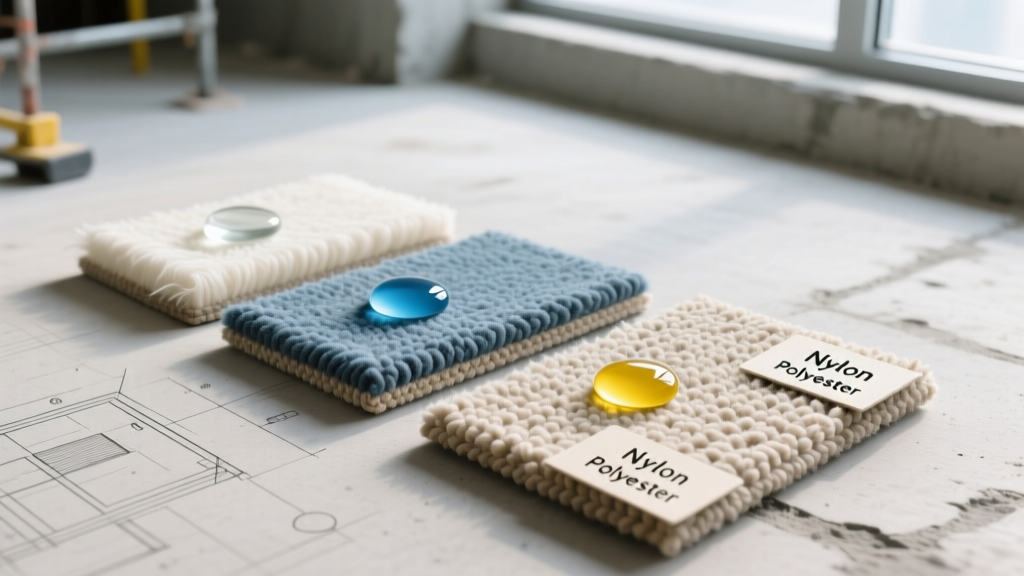
Carpet Fiber Taxonomy: Why Chemistry Dictates Stain Removal
Understanding how to remove carpet stains requires moving beyond generic spot removers and examining the polymer taxonomy of the carpet itself. A stain that lifts effortlessly from a polyester fiber may permanently dye a nylon filament, while the alkaline cleaner used on synthetic fibers will destroy the epidermal scales of natural wool. Effective stain remediation relies on matching the chemical polarity, pH threshold, and thermal tolerance of the cleaning agent to the specific molecular structure of the carpet fiber.
Before applying any chemistry, professionals identify the fiber class. Synthetic fibers (nylon, polyester, olefin) account for over 90% of the residential market, but their distinct manufacturing processes—such as the application of acid dye resistors on nylon—fundamentally alter how they interact with tannins, proteins, and lipids. According to the Institute of Inspection, Cleaning and Restoration Certification (IICRC), misidentifying fiber types and applying incorrect pH chemistries is the leading cause of permanent carpet damage during stain removal.
Nylon (Polyamide 6 and 6,6) Stain Protocols
Nylon is the most durable synthetic carpet fiber, but its molecular structure contains amine end-groups that carry a positive charge in acidic environments. This makes nylon highly susceptible to anionic (negatively charged) stains like coffee, tea, wine, and artificial food dyes. To combat this, manufacturers treat nylon with Acid Dye Resistors (ADR) during production.
Breaking the Stain Bond
To remove a tannin-based stain from nylon, you must first overcome the ADR treatment. This requires an alkaline pre-spray with a pH between 9.0 and 10.5. The alkalinity breaks the ionic bond between the stain and the nylon's dye sites. However, leaving the fiber in an alkaline state strips the ADR, leaving the carpet highly vulnerable to rapid re-soiling.
After extraction with an alkaline emulsifier, an acidic rinse (pH 3.0 to 4.5) must be applied. This neutralizes the alkalinity, restores the ADR coating, and closes the nylon's dye sites. Products like Bridgepoint's Avenge or Prochem's Ultrapower are formulated specifically to manage this pH swing without leaving sticky residues.
Polyester (PET) and Olefin (Polypropylene) Strategies
Polyethylene terephthalate (PET) and polypropylene (olefin) are hydrophobic fibers, meaning they naturally repel water-based stains like wine or juice. However, their hydrophobic nature makes them highly oleophilic—they aggressively attract and bind with oils, grease, and lipid-based soils.
Solvent Emulsification for Oleophilic Soils
Standard water-based alkaline cleaners will fail to remove cooking grease, body oils, or pet sebum from olefin and polyester. Removing these stains requires a solvent-based pre-spray containing d-Limonene or heavy-duty emulsifiers designed to encapsulate lipid molecules.
Furthermore, olefin fibers are notorious for 'wicking'—a phenomenon where deep-seated oils travel up the fiber shaft as the carpet dries, causing the stain to reappear 24 hours later. To prevent wicking, technicians must use low-moisture extraction techniques and employ weighted drying fans to force rapid evaporation from the surface down.
Wool and Natural Fiber Constraints
Wool is a protein fiber composed of amino acids linked by disulfide bonds. It features a complex outer layer of overlapping scales (the cuticle) coated in a natural lipid membrane. This taxonomy makes wool exceptionally sensitive to alkaline chemicals and high heat.
Applying a synthetic carpet cleaner (pH 9+) to wool will strip the natural lipid membrane, causing the cuticle scales to lift. This results in 'fuzzing,' permanent texture distortion, and severe cellulose browning as the jute or cotton backing degrades. The WoolSafe Organisation mandates that all cleaning agents used on wool must have a pH of 8.5 or lower and must not contain optical brighteners or harsh solvents.
For protein-based stains (blood, vomit, dairy) on wool, use a specialized enzyme cleaner formulated for neutral pH (7.0). Enzymes catalyze the breakdown of proteins into water-soluble peptides without requiring the high alkalinity that damages the wool's disulfide bonds. Extraction water temperature must never exceed 120°F (49°C) to prevent thermal shock and fiber shrinkage.
Identifying Unknown Fibers: The Burn and Float Tests
When the manufacturer's tag is missing, material taxonomy must be verified empirically before applying stain removers.
- The Burn Test: Snip a single tuft and ignite it. Nylon melts, shrinks from the flame, and forms a hard, brown bead with a celery-like odor. Wool burns slowly, smells like burning hair, and leaves a crushable black ash. Polyester melts rapidly with a sweet, chemical odor and forms a hard black bead.
- The Float Test (Olefin Identification):strong> Olefin (polypropylene) has a specific gravity of less than 1.0, meaning it is lighter than water. If you place a tuft of unknown fiber in a glass of water and it floats to the surface, it is olefin. All other major carpet fibers will sink.
Stain-to-Fiber Chemical Selection Matrix
The following matrix outlines the precise chemical parameters required for common stain categories across the primary carpet fiber types. The Carpet and Rug Institute (CRI) testing protocols heavily emphasize matching these specific pH and thermal ranges to maintain manufacturer warranties.
| Fiber Type | Primary Stain Affinity | Pre-Spray pH Range | Rinse pH Range | Max Water Temp |
|---|---|---|---|---|
| Nylon (PA6/6,6) | Anionic (Tannins, Dyes) | 9.0 - 10.5 | 3.0 - 4.5 (Acidic) | 150°F (65°C) |
| Polyester (PET) | Oleophilic (Oils, Grease) | 9.5 - 11.0 | 5.0 - 6.0 (Neutral) | 160°F (71°C) |
| Olefin (PP) | Oleophilic (Heavy Lipids) | 10.0 - 11.5 (Solvent) | 5.0 - 6.0 (Neutral) | 150°F (65°C) |
| Wool (Protein) | Protein / Particulate | 7.0 - 8.5 (WoolSafe) | 7.0 (Neutral) | 120°F (49°C) |
The 5-Step Thermal Extraction Framework
Once the fiber taxonomy and corresponding chemistry are selected, execute the following extraction framework to ensure complete stain removal without residue left behind.
- Dry Soil Removal: Vacuum the area with a HEPA-filtered upright. Agitate matted fibers using a CRB machine to lift embedded particulate soil that can turn into mud during wet extraction.
- Chemical Application and Dwell Time: Apply the selected pre-spray using a pump-up sprayer or electric hydro-sprayer. Allow a strict 10 to 15-minute dwell time. This allows the surfactants to reduce surface tension and emulsify the stain. Do not let the pre-spray dry on the fiber.
- Mechanical Agitation: Agitate the pre-spray into the carpet pile using a soft-bristle CRB or a carpet rake. This physically displaces the emulsified stain from the fiber shafts.
- Thermal Rinse Extraction: Use a truck-mounted or high-capacity portable extractor. Inject the appropriate acidic or neutralizing rinse at the precise temperature dictated by the matrix above. Maintain vacuum suction above 100 inches of water lift to ensure maximum moisture recovery.
- Directed Airflow Drying: Position axial fans to create a cross-draft over the extracted area. The goal is to reduce the carpet's moisture content to below 15% within 6 hours, preventing microbial growth and stopping the capillary action that causes stain wicking.