Water Proof Laminate Flooring: The Ultimate Cleaning Playbook
Master the care of water proof laminate flooring with our expert cleaning playbook. Learn safe solutions, tools, and stain removal techniques.
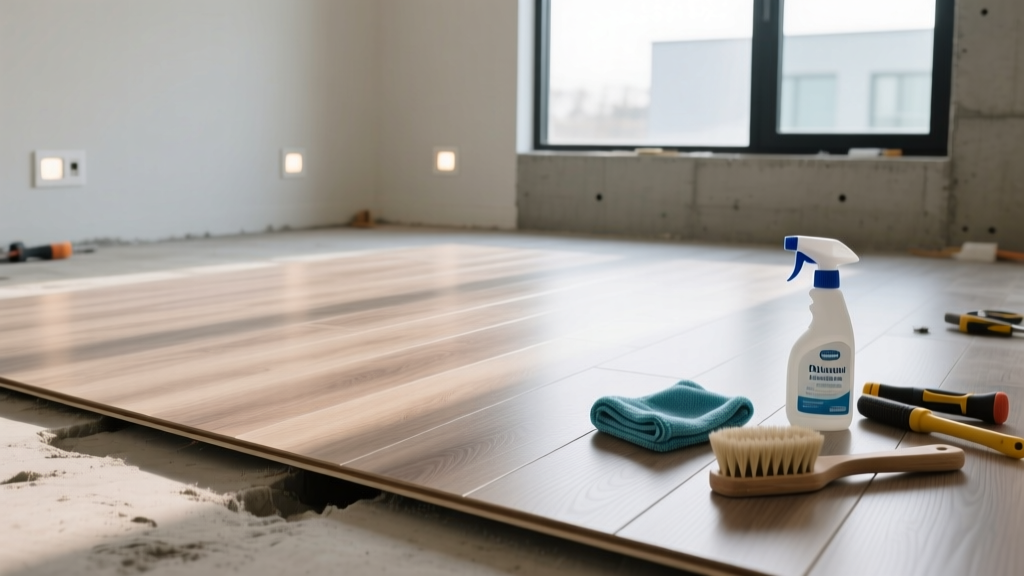
The Anatomy of Water Proof Laminate: Why Core Tech Dictates Cleaning
The term "waterproof" in modern laminate flooring refers specifically to the core technology—typically a Wood Plastic Composite (WPC), Stone Plastic Composite (SPC), or a high-density fiberboard (HDF) treated with hydrophobic resins. While these cores will not swell, warp, or disintegrate when exposed to moisture, the surface wear layer and the micro-beveled seams remain vulnerable to improper chemical exposure and standing water. Understanding this distinction is the foundation of an effective maintenance playbook.
Most premium water proof laminate flooring features an AC4 or AC5 rated aluminum oxide wear layer. This microscopic ceramic bead coating provides exceptional scratch resistance but is highly sensitive to alkaline cleaners and high-pH strippers. Using the wrong chemistry will not destroy the waterproof core, but it will permanently haze the wear layer, leaving a dull, streaky appearance that cannot be buffed out. The Consumer Reports flooring care guidelines consistently emphasize that preserving this wear layer requires strict adherence to pH-neutral cleaning protocols.
The Daily and Weekly Maintenance Playbook
Routine maintenance for water proof laminate flooring relies on mechanical agitation and precise moisture control rather than heavy chemical application. The goal is to lift particulate matter before it becomes embedded in the micro-texture of the wear layer.
Daily Dry Extraction
- Tool: Use a soft-bristle broom or a hard-floor attachment on a canister vacuum. Ensure the vacuum's beater bar (rotating brush) is disengaged, as stiff bristles will cause micro-scratches on the aluminum oxide finish over time.
- Frequency: High-traffic zones (entryways, kitchens) require daily dry extraction to remove silica and sand, which act as abrasive sandpaper underfoot.
Weekly Damp Mopping Protocol
- Select the Right Mop: Discard cotton string mops and sponge mops, which hold excessive water. Invest in a flat microfiber mop system with a 300-400 GSM (grams per square meter) split-yarn pad, such as the O-Cedar ProMist MAX (typically retailing around $25). This density traps dust via static charge and limits moisture transfer to a safe, fast-evaporating level.
- Apply Cleaner to the Pad, Not the Floor: Spraying liquid directly onto the floor risks pooling in the micro-bevels. Lightly mist your pH-neutral cleaner onto the microfiber pad until it is damp, not dripping.
- Mop in the Direction of the Planks: This pushes debris out of the embossed wood-grain textures rather than dragging it across the seams.
Approved vs. Banned Cleaning Agents
Chemical selection is where most homeowners inadvertently damage their flooring. The EPA's Safer Choice program provides excellent frameworks for understanding how household chemicals interact with interior surfaces. Below is a definitive matrix for water proof laminate flooring care.
| Cleaning Agent | pH Level | Impact on AC4/AC5 Wear Layer | Verdict |
|---|---|---|---|
| Bona Stone, Tile & Laminate Cleaner | 6.5 - 7.5 | Neutral; preserves aluminum oxide clarity | Approved (Daily/Weekly) |
| White Vinegar (Diluted 1:10) | ~3.0 | Mild acid; safe for localized spot treatment only | Approved (Spots Only) |
| Ammonia-based Glass Cleaners | 11.0+ | Strips finish, causes permanent micro-hazing | Banned |
| Murphy's Oil Soap / Wax Blends | 8.5 - 9.5 | Leaves lipid residue, causes severe streaking | Banned |
| Bleach Solutions (Sodium Hypochlorite) | 12.0+ | Degrades the decorative print layer's UV inhibitors | Banned |
Troubleshooting Tough Stains and Edge Cases
Even with a waterproof core, surface stains require targeted chemical interventions. The following playbook addresses the most common real-world flooring emergencies.
Pet Urine and Organic Stains
While the core will not absorb urine, the liquid will pool in the micro-bevels and can stain the decorative layer if left unattended. Treat accidents within 10 minutes using an enzymatic cleaner like Nature's Miracle. Spray the enzyme solution onto a microfiber cloth and press it firmly into the seam. Do not rub, as this pushes the liquid deeper into the locking mechanism. Allow the enzymes to break down the uric acid crystals for 5 minutes, then wipe dry.
Black Scuff Marks from Footwear
Avoid reaching immediately for abrasive melamine foam (e.g., Magic Erasers). Dry melamine foam acts like 3000-grit sandpaper and will permanently dull the aluminum oxide finish. Instead, use the "tennis ball trick": rub a clean, dry tennis ball vigorously over the scuff mark. The natural rubber and felt texture lift the rubber transfer without scratching the floor. If the mark persists, use a damp melamine foam with less than 1 lb of downward pressure, followed immediately by a wipe-down with a pH-neutral cleaner to restore the surface tension.
Dried Paint and Adhesive
For water-based paint splatters, soften the spot with a warm, damp cloth for 60 seconds, then gently scrape with a plastic putty knife. For stubborn adhesives or oil-based paints, apply a small amount of isopropyl alcohol (70% concentration) to a cotton swab. The alcohol breaks down the polymer chains of the adhesive without attacking the laminate's wear layer. Wipe the area clean with water immediately after removal.
Protecting the Seams: The Final Frontier
The Achilles heel of any water proof laminate flooring installation is the mechanical click-lock seam. In wet zones like mudrooms, half-baths, or laundry rooms, relying solely on the factory wax coating is insufficient for long-term durability.
For installations in high-moisture environments, apply a specialized silicone-based seam sealer, such as Click Guard, during or immediately after installation. Retailing for approximately $15 per tube, this product is brushed into the joints and wiped flush. It creates an impenetrable hydrophobic barrier that prevents surface water from migrating into the subfloor or the locking mechanism. According to Bona's official maintenance guidelines, maintaining the integrity of these seams is just as critical as the chemical safety of your daily cleaning solutions. Once the seams are sealed, your weekly maintenance playbook transitions from damage control to simple, effortless surface preservation.