The Ultimate Maintenance Playbook for WeatherTech Auto Floor Mats
Master the maintenance of WeatherTech auto floor mats with our expert TPE cleaning playbook, covering safe chemicals, warping prevention, and UV protection.
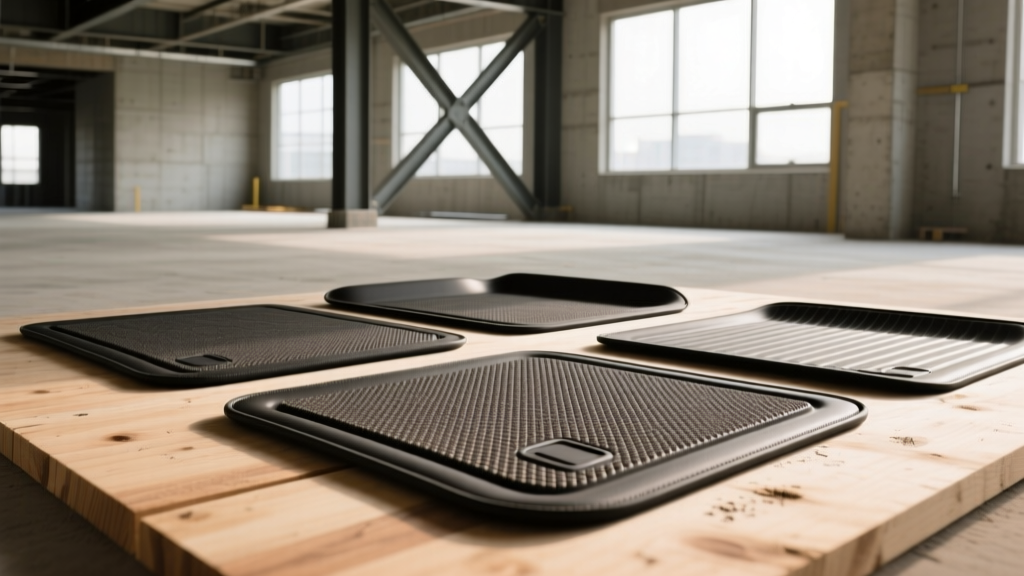
The Material Science: Why TPE Demands a Specialized Playbook
Maintaining WeatherTech auto floor mats requires abandoning traditional rubber or carpet cleaning methodologies. WeatherTech engineers its FloorLiners and Floor Mats using a proprietary Thermoplastic Elastomer (TPE). Unlike vulcanized rubber, which relies on chemical cross-linking and plasticizers, or PVC, which uses phthalates for flexibility, TPE is an injection-molded, 100% recyclable polymer alloy. As of 2026, advanced TPE formulations offer superior memory and laser-measured fitment, but they introduce specific chemical vulnerabilities.
TPE is highly sensitive to alkaline solvents, silicone-based dressings, and extreme unconstrained heat. Using traditional All-Purpose Cleaners (APCs) or stiff nylon brushes will permanently alter the polymer's surface tension, leading to irreversible hazing, micro-scratching, and a loss of the factory matte finish. This playbook provides a professional-grade, step-by-step maintenance protocol designed specifically for the chemical and physical properties of TPE automotive flooring.
The TPE Chemical Compatibility Matrix
Selecting the correct cleaning agent is the most critical variable in TPE maintenance. The wrong pH level will strip the surface lipids and cause whitening. Refer to this compatibility matrix before applying any product to your WeatherTech auto floor mats.
| Cleaner Category | pH Range | TPE Safety | Recommended / Avoid Brands |
|---|---|---|---|
| pH-Neutral Interior Cleaners | 6.5 - 7.5 | Safe (Primary) | P&S Xpress, CarPro InsideCleaner, Chemical Guys Nonsense |
| Mild Foaming Washes | 7.0 - 8.0 | Safe (Secondary) | Optimum No Rinse (diluted), Meguiar's Gold Class Car Wash |
| Alkaline APCs / Degreasers | 9.0 - 12.0+ | Unsafe (Causes Hazing) | Avoid: Super Clean, Purple Power, Simple Green (undiluted) |
| Silicone-Based Dressings | N/A | Unsafe (Causes Slip/Glare) | Avoid: Armor All, generic aerosol tire shines |
| Water-Based UV Protectants | 7.0 - 8.0 | Safe (Protection) | 303 Aerospace Protectant, Gtechniq C6 Matte Dash |
Step-by-Step Deep Cleaning Protocol
Execute this protocol every 3 to 6 months, or immediately following exposure to heavy road salts, off-road mud, or spilled organic compounds. Never attempt to deep clean the mats while they are installed inside the vehicle cabin.
Phase 1: Extraction and Pre-Wash
- Remove the Mats: Unclip the factory retention hooks. Lift the mats straight up to avoid tearing the anti-slip retention nibs on the underside.
- Dry Soil Extraction: Use a shop vac with a soft-bristle dusting brush attachment. Stiff plastic crevice tools will gouge the TPE channels. Pay special attention to the deep perimeter channels where silica dust accumulates.
- Low-Pressure Rinse: Rinse the mats with a standard garden hose. Critical Warning: Do not use a pressure washer exceeding 1,200 PSI. High-pressure streams will shear the delicate anti-slip nibs off the underside, compromising the mat's ability to grip the vehicle carpet and potentially creating a dangerous pedal-interference hazard.
Phase 2: Agitation and Chemical Dwell
- Apply pH-Neutral Cleaner: Spray a pH-neutral interior cleaner (like P&S Xpress) generously across the surface. Allow a dwell time of 2 to 3 minutes. Do not let the chemical dry on the surface, as evaporative concentration can leave streak marks.
- Mechanical Agitation: Use a horsehair detailing brush or a soft synthetic interior brush. Agitate the deep channels and the raised linear ridges using circular motions. Horsehair is stiff enough to dislodge embedded brake dust but soft enough to preserve the TPE's matte texture.
- Underside Cleaning: Flip the mat. Spray the underside and gently wipe with a microfiber towel to remove trapped moisture and carpet lint that can cause mold growth on the vehicle's underlying carpet.
Phase 3: Rinsing and Controlled Drying
- Final Rinse: Rinse thoroughly with low-pressure water until all suds are eliminated.
- Water Displacement: Shake the mats vigorously to expel water from the deep channels.
- Microfiber Drying: Wipe the surface with a clean, plush microfiber drying towel (minimum 300 GSM).
- Air Dry in Shade: Lean the mats against a wall in a shaded, well-ventilated area. Never lay them flat on hot asphalt or concrete in direct sunlight to dry.
TPE relies on thermal memory to maintain its laser-measured shape. When removed from the constrained environment of the vehicle footwell and exposed to unconstrained ambient heat (e.g., lying on a 130°F driveway in July), the polymer will relax and warp. Once warped, the mat will no longer fit correctly, creating dangerous gaps around the accelerator and brake pedals. Always clean and dry WeatherTech auto floor mats in the shade or indoors.
Dressing and UV Protection: Avoiding the Silicone Trap
A common mistake in automotive detailing is applying silicone-based dressings to interior plastics and TPE mats to achieve a 'wet' glossy look. According to professional automotive detailing standards outlined by authorities like Detailed Image, silicone dressings are strictly contraindicated for vehicle flooring.
Silicone creates a high-refractive-index surface that causes dangerous glare on the windshield when exposed to sunlight. More importantly, silicone drastically reduces the coefficient of friction. If a driver's shoe slides off the brake pedal onto a silicone-coated WeatherTech mat, the lack of grip can increase stopping reaction times. Furthermore, silicone traps dust and accelerates UV degradation of the underlying polymer.
The Correct Protection Method: Use a water-based, UV-blocking protectant. Products like 303 Aerospace Protectant bond to the TPE without altering its friction coefficient. Apply the protectant to a microfiber applicator pad, wipe it evenly across the dry mat, and let it cure for 15 minutes before buffing off any excess with a clean towel. Reapply every 3 months to prevent UV-induced brittleness and fading.
Troubleshooting Common TPE Failure Modes
Even with careful maintenance, environmental factors and user errors can degrade the mats. Use this diagnostic guide to restore your WeatherTech auto floor mats.
Symptom: Surface Hazing, Whitening, or Chalking
- Cause: Application of alkaline APCs, harsh degreasers, or prolonged exposure to UV radiation without protectant. The chemical has stripped the surface layer of the TPE.
- Fix: Hazing is difficult to reverse because it is physical damage to the polymer, not a surface coating. First, strip the mat with a 10% Isopropyl Alcohol (IPA) and distilled water solution to remove any residual chemicals. Follow up with a dedicated TPE conditioner or a matte-finish ceramic coating for plastics (such as Gtechniq C2v3 Liquid Crystal) to darken the polymer and restore a uniform, low-sheen appearance.
Symptom: Severe Warping or Curling Edges
- Cause: Leaving the mats out of the vehicle in high heat, or folding them during storage, which breaks the injection-molded memory.
- Fix: Reinstall the warped mats into the vehicle. Park the car in direct sunlight with the windows rolled up for 2 to 4 hours. The ambient cabin heat (typically reaching 120°F to 140°F) will soften the TPE just enough for it to relax and reform to the exact contours of the factory footwell. Once cooled, the mat will retain the corrected shape.
Symptom: Extreme Slipperiness and Dust Attraction
- Cause: Previous owners or detailers applied silicone-based dressings (e.g., Armor All) or oil-based tire shines.
- Fix: Perform a chemical decontamination. Wash the mats with a high-foaming automotive shampoo and a stiff synthetic brush to mechanically lift the silicone oils. Rinse thoroughly. If slipperiness persists, wipe the surface with a 15% IPA solution to dissolve the remaining silicone bonds, followed by a pH-neutral rinse.
Seasonal Maintenance Adjustments
Adapt your playbook based on seasonal environmental stressors to maximize the lifespan of your WeatherTech auto floor mats.
- Winter (Road Salt and Magnesium Chloride): Salt brines accelerate surface oxidation. Increase deep cleaning frequency to once a month during winter. Ensure the pH-neutral cleaner is thoroughly rinsed from the deep perimeter channels, as dried salt crystals will act as an abrasive against the driver's heel over time.
- Spring/Summer (Pollen, Mud, and UV): Focus on UV protection. Apply water-based protectants immediately after the spring deep clean. Mud contains organic acids that can stain lighter-colored TPE (like WeatherTech's Tan or Grey options); remove mud within 48 hours to prevent permanent pigment alteration.
By respecting the material science of Thermoplastic Elastomers and adhering to this strict chemical and mechanical protocol, your WeatherTech auto floor mats will maintain their precise fitment, safety characteristics, and factory aesthetic for the entire lifecycle of the vehicle.