WeatherTech Floor Liners: Durability and Lifespan Analysis
Analyze the material science, durability thresholds, and expected lifespan of WeatherTech floor liners across different climates and usage scenarios.
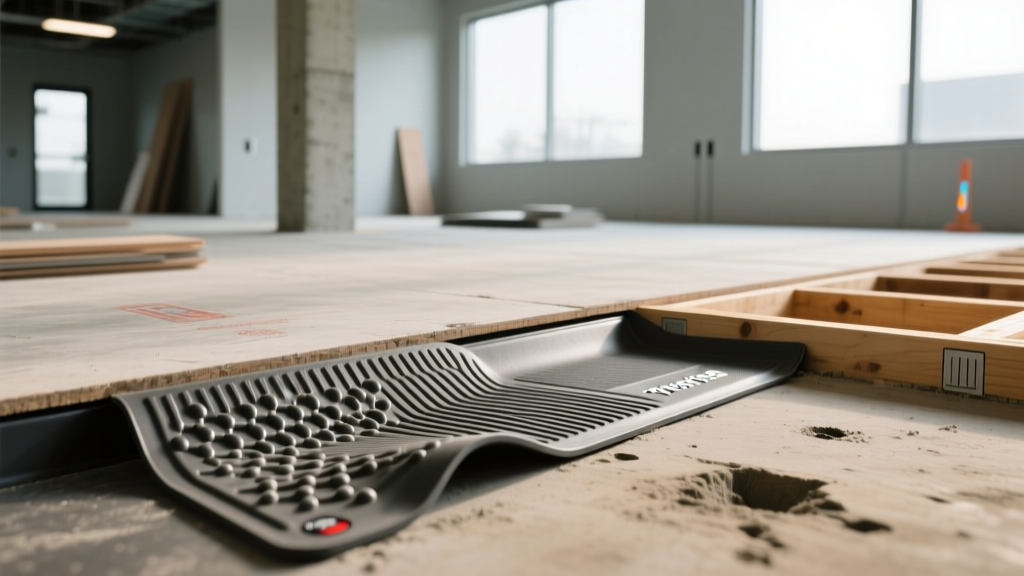
The Material Science of Tri-Flex TPE
When evaluating automotive interior flooring, the shift from traditional vulcanized rubber and nylon carpets to advanced polymers has redefined durability standards. WeatherTech floor liners are engineered from a proprietary Thermoplastic Elastomer (TPE) blend, marketed as Tri-Flex. Unlike EPDM (ethylene propylene diene monomer) rubber, which relies on chemical cross-linking (vulcanization) to achieve its shape, TPE is a block copolymer that combines the elastic properties of rubber with the melt-processability of thermoplastics.
According to polymer science data from Omnexus by SpecialChem, TPEs maintain their structural integrity across extreme thermal cycles without becoming brittle or losing their memory. The Shore A durometer hardness of WeatherTech's specific TPE formulation typically registers between 75 and 85 on the ASTM D2240 hardness scale. This specific density provides enough rigidity to maintain high containment walls (often exceeding 2.5 inches) while retaining the flexibility required to conform to complex vehicle floor pans.
Environmental Stress Thresholds and Degradation
The lifespan of any automotive flooring material is dictated by its resistance to environmental stressors: ultraviolet (UV) radiation, thermal expansion, and chemical exposure. TPE materials inherently resist UV degradation better than unprotected PVC, but they are not entirely immune to photodegradation over extended periods.
| Stress Factor | TPE Threshold Limit | Observable Failure Point |
|---|---|---|
| Thermal Expansion (High) | 180°F (82°C) | Edge curling, loss of retention clips grip |
| Thermal Contraction (Low) | -40°F (-40°C) | Surface micro-cracking under heavy impact |
| UV Radiation (Continuous) | 2,500+ hours (Xenon arc) | Surface hazing, color fading, plasticizer bloom |
| Chemical (Road Salt/Acids) | pH 2 to pH 12 | None (Highly resistant to ionic corrosion) |
The Phenomenon of Plasticizer Extraction
One of the most common, yet misunderstood, failure modes of TPE automotive flooring is edge curling. This is rarely a manufacturing defect; it is usually the result of improper maintenance. TPE relies on internal plasticizers to maintain its flexibility. When owners clean their liners with harsh, high-alkaline degreasers (such as concentrated Simple Green or Purple Power, which often exceed a pH of 11), these chemicals extract the plasticizers from the polymer matrix. As noted in ScienceDirect's materials science literature, the leaching of plasticizers causes the thermoplastic to revert to a stiffer, more brittle state, leading to permanent deformation and edge warping when exposed to solar heat.
Climate-Specific Lifespan Projections
The functional lifespan of WeatherTech floor liners varies drastically based on the geographic climate zone and the vehicle's primary use case. While the material itself can theoretically last decades in a controlled environment, real-world automotive applications introduce variables like abrasive silica (sand/dirt), calcium chloride (ice melt), and direct solar loading.
Lifespan Matrix by Region (2026 Projections)
- Sunbelt / High-UV Zones (AZ, TX, FL): 4 to 6 years. Constant solar loading through windshields accelerates UV blooming and thermal cycling, eventually leading to surface scuffing and slight edge warping.
- Snowbelt / Corrosive Zones (MI, NY, MA): 7 to 9 years. TPE is virtually impervious to calcium chloride and magnesium chloride road salts. Failure here is usually mechanical (abrasion from heavy winter boots) rather than chemical.
- Temperate / Moderate Zones (WA, OR, NC): 8 to 10+ years. Mild thermal cycles and lower UV indexes allow the polymer to retain its structural memory and aesthetic finish for the life of the vehicle.
Comparative Analysis: TPE vs. Vulcanized Rubber vs. Carpet
To understand the value proposition of WeatherTech floor liners, it is necessary to benchmark TPE against legacy automotive flooring materials. Vulcanized rubber (used by competitors like Husky Liners or OEM heavy-duty mats) offers superior abrasion resistance but suffers from significant weight penalties and odor off-gassing. Nylon carpet, the industry standard for decades, fails entirely in moisture containment and harbors bacteria.
| Material Property | TPE (WeatherTech) | Vulcanized EPDM Rubber | OEM Nylon Carpet |
|---|---|---|---|
| Fluid Containment | Excellent (Welded seams) | Good (Molded ridges) | Poor (Absorbs fluid) |
| Weight (Front Set) | ~6-8 lbs | ~12-15 lbs | ~4-5 lbs |
| Odor Off-Gassing | None | Moderate to High (Initial) | Low |
| Abrasion Resistance | Moderate | Excellent | Poor |
| Recyclability | 100% Recyclable | Difficult/Limited | Limited |
Troubleshooting Common TPE Failure Modes
Even premium polymers experience edge cases. Below is a diagnostic framework for addressing the most frequent issues encountered with TPE automotive liners during their lifespan.
Symptom: White Hazing or Chalking on the Surface
Cause: UV blooming or the migration of internal waxes to the surface to protect the polymer from oxidation. This is a self-protective mechanism of the TPE, not a sign of structural failure.
Resolution: Wipe the surface with a microfiber towel dampened with a pH-neutral interior detailer (pH 6.5 to 7.5). Apply a water-based UV protectant (avoid solvent-based dressings like Armor All, which can accelerate plasticizer breakdown).
Symptom: Liner Edges Curling Upward
Cause: Thermal shock combined with plasticizer extraction from harsh cleaning agents, or improper seating over the factory carpet's retention hooks.
Resolution: Remove the liner and lay it flat in direct sunlight for 45 minutes to allow the TPE to reach its glass transition temperature and relax its memory. Clean with a mild, pH-balanced soap, and ensure the factory retention clips are fully engaged through the pre-cut grommets upon reinstallation.
Symptom: Deep Scuff Marks in the Heel Rest Area
Cause: Mechanical abrasion from silica-heavy dirt embedded in boot treads grinding against the TPE under the pressure of the driver's heel.
Resolution: TPE scuffs are permanent physical abrasions, not surface stains. While they cannot be chemically removed, applying a matte-finish TPE conditioner can darken the scuffed area, reducing the visual contrast between the damaged and undamaged polymer.
Maintenance Protocols for Maximum Longevity
To push the lifespan of WeatherTech floor liners toward the upper end of their projected range, owners must adopt a chemically sound maintenance routine. The goal is to remove abrasive particulates and ionic salts without stripping the polymer's plasticizers.
- Dry Extraction: Always vacuum or use compressed air to remove loose silica and sand before introducing liquids. Rubbing silica into the TPE with a brush creates micro-scratches that trap future dirt.
- Chemical Selection: Use only pH-neutral (7.0) automotive interior cleaners. Diluted dish soap (pH 8.0-9.0) is acceptable in a pinch but can leave a dulling film over time.
- Agitation: Use a soft-bristle nylon brush or a microfiber wash mitt. Avoid stiff-bristle detailing brushes, which will physically scar the high-gloss finish of the TPE.
- Drying: Air dry in the shade or use a microfiber towel. Direct sunlight while the liner is wet can cause water spotting, particularly in areas with hard water (high calcium carbonate content).
By respecting the chemical boundaries of Thermoplastic Elastomers, vehicle owners can ensure their flooring investment provides reliable, high-containment protection for the entirety of the vehicle's operational life.