2026 Regional Guide: Foundation Building Materials Stock Trends
Analyze 2026 foundation building materials stock across US regions. Discover lead times, supply chain bottlenecks, and procurement strategies for contractors.
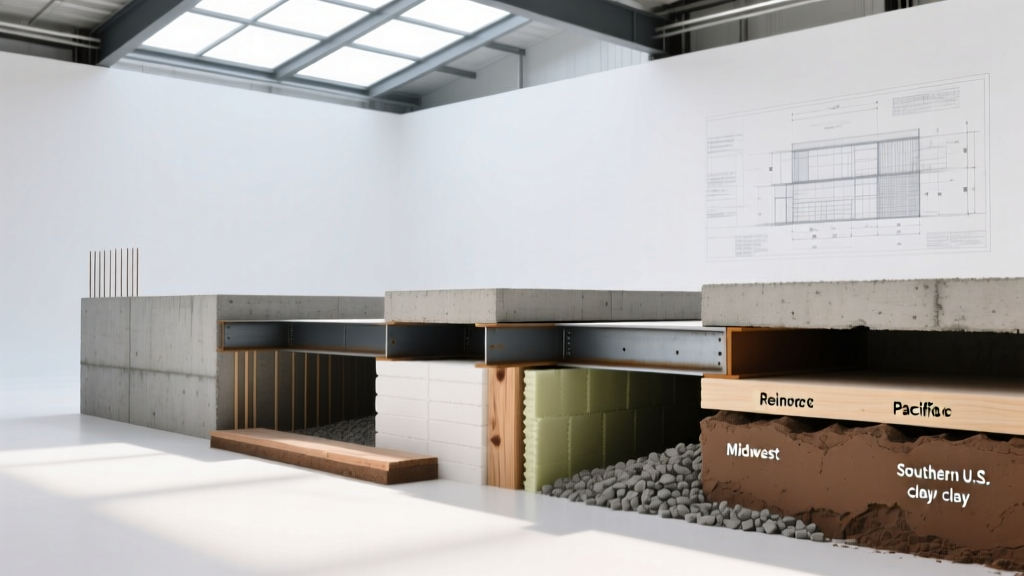
The 2026 Supply Chain Landscape for Foundation Systems
Securing reliable foundation building materials stock remains a primary logistical hurdle for structural contractors and general builders in 2026. While global maritime shipping has largely stabilized since the early 2020s crises, the current bottlenecks are distinctly regional. Domestic rail congestion, localized batch plant capacity limits, and raw material tariffs on imported steel and polymer resins have created a fractured supply network. For foundation specialists, understanding these micro-regional disparities is no longer optional; it dictates project scheduling, bidding accuracy, and cash flow management.
According to recent data from the National Association of Home Builders (NAHB), material availability for below-grade construction varies by up to 45% in lead times depending on whether a project is located in the Pacific Northwest versus the Sun Belt. This guide breaks down current inventory realities, specific product lead times, and strategic procurement frameworks for foundation systems across major U.S. zones.
Regional Stock Availability Matrix
The following matrix outlines the primary material constraints and average procurement lead times for critical foundation components across five major U.S. regions. Lead times reflect Q1/Q2 2026 averages for mid-sized commercial and high-end residential foundation packages.
| U.S. Region | Primary Material Bottleneck | Avg. Lead Time (Standard) | Strategic Alternative / Stock Pivot |
|---|---|---|---|
| Northeast | Insulated Concrete Forms (ICF) & EPS Resins | 18-24 Days | Shift to pre-cast concrete panels or traditional CMU with rigid XPS insulation. |
| Southeast | Fly Ash & Supplementary Cementitious Materials (SCMs) | 10-14 Days | Specify slag cement (GGBF) or limestone calcined clay (LC3) blends at the batch plant. |
| Midwest | Helical Piers & Deep Foundation Steel | 21-30 Days | Utilize driven friction piles or micropiles for immediate load-bearing requirements. |
| West Coast | Seismic Epoxy Anchors & Grade 80 Rebar | 14-21 Days | Stockpile ASTM A706 weldable rebar; use mechanical splices over chemical anchors where engineered. |
| Southwest | Curing Compounds & Vapor Retarders (15-mil) | 7-12 Days | Deploy wet-curing methods with burlap; source 10-mil barriers if 15-mil is backordered (verify code). |
Deep Dive: Concrete, Cement, and SCM Inventory Realities
Portland cement production is heavily localized due to the high cost of overland freight. The Portland Cement Association (PCA) notes that while clinker production is sufficient, the distribution of specialized blends faces regional rail car shortages. For foundation slabs and structural footings, the availability of Supplementary Cementitious Materials (SCMs) like Class F fly ash and slag cement dictates both the cost and the curing schedule of the pour.
Navigating the Fly Ash Deficit
With the continued retirement of coal-fired power plants in the Southeast and Midwest, high-quality Class F fly ash is increasingly scarce. When local batch plants report fly ash stock-outs, foundation contractors must pivot to maintain low heat-of-hydration and long-term durability in mass footings.
- Metakaolin Blends: Excellent for reducing permeability in basement walls, though typically 15-20% more expensive per ton than fly ash.
- Slag Cement (GGBF): Readily stocked in Great Lakes and Mid-Atlantic regions due to proximity to steel mills. Specify a 30-50% slag replacement for foundation walls requiring high sulfate resistance.
- Ternary Blends: Ask local batch plants for pre-blended ternary mixes (Portland + Slag + Limestone) which are increasingly kept in standard stock to offset single-SCM shortages.
Steel, Rebar, and Deep Foundation Stock
Reinforcing steel and deep foundation hardware represent the highest capital outlay in structural foundation packages. While standard Grade 60 (ASTM A615) rebar in sizes #4 through #8 is generally kept in stock by regional fabricators, specialized foundation requirements trigger severe delays.
Standard 1.75-inch square shaft helical piers (e.g., AB Chance or MacLean Power Systems) are currently averaging 4-6 weeks from order to delivery. However, custom 2.25-inch round shaft piers or specialized multi-helix configurations for expansive clay soils are experiencing 10-14 week lead times. Foundation engineers must specify standard configurations early in the design phase to align with manufacturer stock profiles.
Seismic and High-Wind Anchor Stock
In the West Coast and Gulf regions, structural epoxy anchors (such as Hilti HIT-RE 500 V4 or Simpson SET-3G) are critical for tying foundation mudsills to stem walls. Due to ongoing polymer resin allocation issues, chemical anchor stock fluctuates wildly. Contractors are increasingly shifting to cast-in-place headed anchor bolts (ASTM F1554 Grade 36 or 55) which are fabricated domestically and maintain consistent 7-10 day lead times at local steel service centers.
Waterproofing and Vapor Barrier Procurement
Below-grade moisture management relies heavily on petrochemical derivatives. High-density polyethylene (HDPE) dimple drainage mats and cross-laminated polyolefin vapor barriers are subject to resin market volatility.
The 15-Mil vs. 10-Mil Vapor Barrier Dilemma
For slab-on-grade foundations, the American Concrete Institute (ACI 302.2R) and most modern building codes mandate a minimum 10-mil vapor retarder, with 15-mil (like Stego Wrap) being the industry standard for commercial and high-end residential. When 15-mil stock is depleted at regional distribution centers, contractors face a choice:
- Double-layer 10-mil: Lapping two layers of 10-mil polyethylene. This is rarely accepted by strict commercial inspectors due to the risk of inter-layer moisture trapping and puncture vulnerabilities during rebar tying.
- PVC or TPO Membranes: Sourcing off-the-shelf roofing-grade TPO or PVC membranes. While overkill and more expensive, these are often in stock at commercial roofing suppliers when foundation-specific vapor barriers are backordered.
- Spray-Applied Membranes: Utilizing spray-applied asphalt or polyurea waterproofing. This eliminates the need for rolled stock entirely, though it requires specialized subcontractors and specific weather conditions for application.
Strategic Procurement Frameworks for GCs
Just-in-time (JIT) delivery is a liability in the 2026 foundation market. General contractors and foundation specialists must adopt hybrid inventory models to protect project margins against stock-outs and spot-market price gouging.
'The most successful foundation contractors in 2026 are those who treat material procurement as a financial instrument, locking in pricing and reserving yard space at local suppliers 90 days before the excavator breaks ground.' - Industry Logistics Report, Bureau of Labor Statistics Producer Price Index analysis.
The 60/40 Stock Reservation Rule
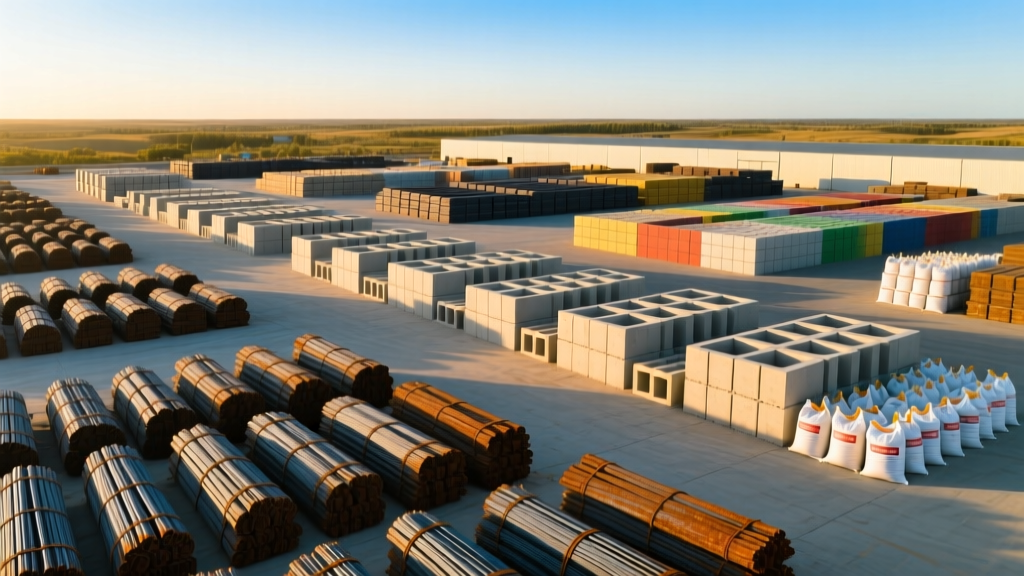
Implement the 60/40 rule for all foundation packages exceeding $50,000 in material costs. Secure 60% of the estimated material volume (specifically rebar, ICF blocks, and deep foundation piers) via binding purchase orders with locked pricing 60 days out. Leave the remaining 40% as a flexible allocation to account for minor engineering revisions or over-excavation, sourcing this balance from secondary local distributors rather than primary national chains.
Frequently Asked Questions
How can I verify the structural integrity of substitute SCMs when fly ash is out of stock?
Always require the batch plant to provide a certified mill test report and a 28-day compressive strength break for the proposed substitute blend. If substituting slag cement for fly ash, ensure the mix design is tested for setting times, as high-slag mixes can experience delayed early strength gain in cold-weather foundation pours.
Are imported helical piers a viable alternative when domestic stock is delayed?
Proceed with extreme caution. While imported helical piers may be in stock and 20% cheaper, they often lack ICC-ES (International Code Council Evaluation Service) reports required by local U.S. building officials. If the pier lacks an ICC-ES report, the structural engineer of record must stamp a site-specific justification, which can delay permitting by weeks. Always prioritize domestic manufacturers with active evaluation reports.
What is the best strategy for managing ICF stock shortages in the Northeast?
Form a purchasing cooperative with other local foundation contractors. ICF manufacturers (like Fox Blocks or Nudura) prioritize full-truckload orders (typically 2,500 to 3,000 sq. ft. of wall area). By combining orders with non-competing contractors in adjacent counties, you can secure direct-from-manufacturer shipping, bypassing depleted regional distributor yards entirely.
Written by
James ThorntonJames Thornton is a construction industry veteran with 25 years of hands-on experience in wood framing, lumber grading, and residential building codes. He started as a framing carpenter in rural Oregon, earned his ICC Residential Building Inspector certification, and eventually became a senior plan reviewer for the City of Portland Bureau of Development Services. James holds a B.S. in Wood Science & Technology from Oregon State University and is a certified lumber grader through the West Coast Lumber Inspection Bureau (WCLIB). He has inspected over 3,000 residential construction sites and authored the city's internal guide on advanced framing techniques (2x6 at 24" O.C.). James lives in Bend, OR, where he builds custom timber-frame cabins and competes in lumberjack sports.
More from James Thornton
View all
Insulation
Best Home Insulation Materials: Complete 2026 Guide
Compare top home insulation materials for 2026. Find R-values, installed costs per square foot, and best uses for fiberglass, spray foam, and mineral wool.
Aug 4, 2026

Sustainable Building
Certify Your Green Building Material for LEED and WELL
Step-by-step guide to certifying a green building material for LEED v5 and WELL v2. Master EPDs, HPDs, and VOC limits for 2026 project specifications.
Aug 4, 2026

Stone & Masonry
Veneer Stacked Stone Panels: Interior Design & Style Showcase
Discover how veneer stacked stone panels transform interiors. Explore modern design profiles, material pairings, and technical installation specs.
Aug 4, 2026