Best Home Insulation Materials: Complete 2026 Guide
Compare top home insulation materials for 2026. Find R-values, installed costs per square foot, and best uses for fiberglass, spray foam, and mineral wool.

The most durable insulation materials for residential construction include closed-cell spray polyurethane foam, rigid mineral wool boards, and high-density fiberglass batts. These materials resist moisture degradation, settling, and thermal bridging over a 50-year lifespan. This insulation materials guide is designed for homeowners, general contractors, and self-builders planning new builds or deep energy retrofits in 2026.
Key Takeaways
- Closed-cell spray foam offers the highest moisture resistance and an R-value of R-7.0 per inch.
- Mineral wool provides superior fire resistance, withstanding temperatures up to 1,000°C (1,832°F).
- Material costs range from $1.50 to $3.50 per square foot, excluding professional installation.
Defining Durability in Insulation
Thermal durability refers to an insulation material's ability to maintain its stated R-value and structural integrity over decades without sagging, absorbing moisture, or degrading from ultraviolet exposure. Highly durable insulation prevents thermal bridging and reduces long-term energy loss in residential building envelopes.
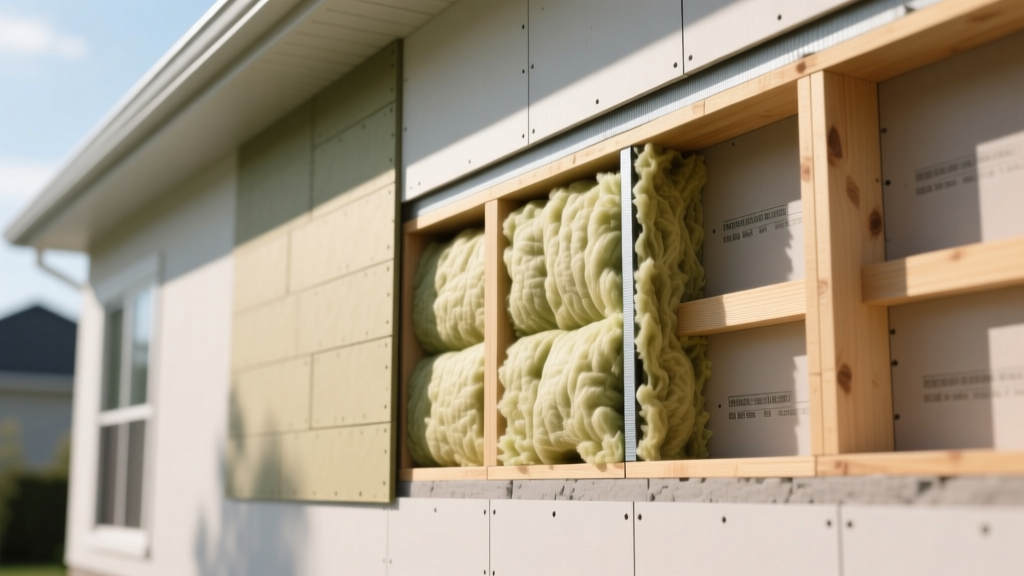
Top Durable Insulation Materials Compared
Selecting the right product requires balancing thermal resistance, moisture management, and fire safety. The following comparison matrix evaluates the top three long-lasting options available in the 2026 market.
| Material | R-Value per Inch | Lifespan | Moisture Resistance | Average Cost (per sq ft) |
|---|---|---|---|---|
| Closed-Cell Spray Polyurethane Foam | R-7.0 | 80+ years | Impervious | $3.20 - $3.50 |
| Rigid Mineral Wool Boards | R-5.0 | 70+ years | Hydrophobic | $2.10 - $2.40 |
| High-Density Fiberglass Batts | R-4.3 | 50+ years | Moderate | $1.50 - $1.80 |
Closed-Cell Spray Polyurethane Foam
Closed-cell spray polyurethane foam expands to fill wall cavities, creating an airtight seal that blocks convective heat loss. According to the United States Department of Energy, properly installed spray foam can reduce building energy consumption by up to 15 percent. Its dense cellular structure prevents water infiltration, making it ideal for flood-prone foundations.
Rigid Mineral Wool Boards
Manufactured from spun volcanic rock, rigid mineral wool boards offer exceptional fire resistance and acoustic dampening. Products like ROCKWOOL Comfortboard can withstand continuous temperatures up to 1,000°C (1,832°F) without melting. The material is naturally hydrophobic, meaning it sheds liquid water while allowing water vapor to escape, preventing mold growth inside wall assemblies.
High-Density Fiberglass Batts
High-density fiberglass batts provide a cost-effective thermal barrier for standard wood-framed walls. Modern manufacturing techniques have eliminated the formaldehyde binders found in older generations. When installed with a proper vapor retarder, these batts maintain their R-4.3 per inch rating without sagging over a 50-year lifecycle.
Installation Best Practices for Longevity
Even the most durable insulation materials fail if installed incorrectly. Air gaps as small as 2 millimeters around fiberglass batts can reduce the effective R-value by up to 20 percent. Always use acoustic sealant around the perimeter of rigid mineral wool boards to maintain a continuous air barrier.
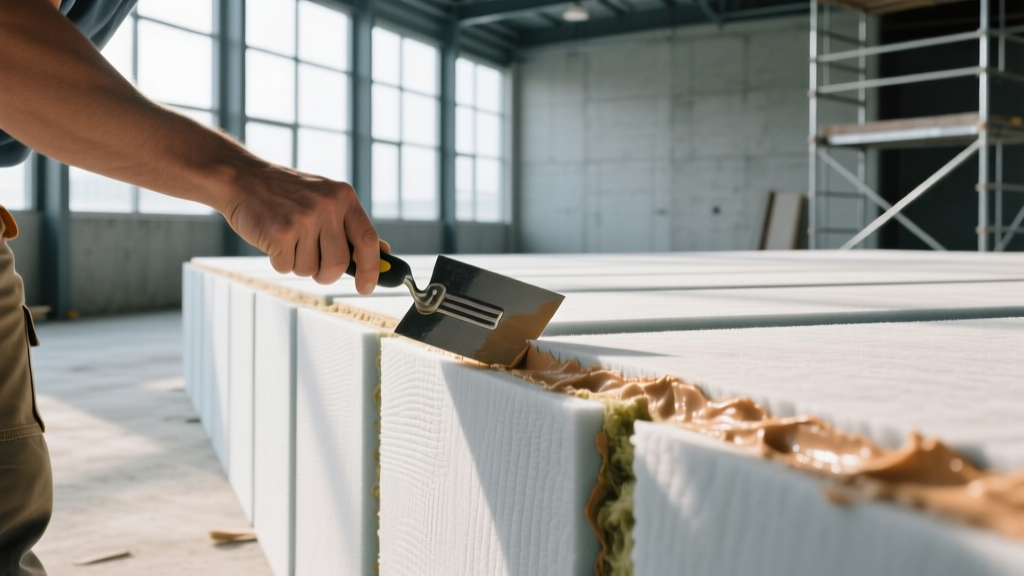
For spray foam applications, verify that the substrate temperature is between 15°C (59°F) and 35°C (95°F) to ensure proper cellular expansion and adhesion to the wood framing.
Cost and R-Value Analysis
Calculating the return on investment requires analyzing both the upfront material cost and the long-term thermal performance. The International Energy Conservation Code (IECC) mandates specific minimum R-values based on climate zones. For example, Climate Zone 5 requires a minimum of R-20 for exterior walls.
Achieving R-20 with closed-cell spray polyurethane foam requires approximately 3 inches of thickness, costing roughly $10.50 per square foot installed. Achieving the same R-value with high-density fiberglass batts requires standard 2x6 framing and 5.5 inches of material, dropping the installed cost to approximately $4.50 per square foot. The Environmental Protection Agency ENERGY STAR program notes that sealing air leaks alongside insulation upgrades yields the highest energy savings.
Frequently Asked Questions
What is the longest-lasting insulation material for attics?
Blown-in cellulose and high-density fiberglass are the longest-lasting loose-fill options for attics. When installed to a depth of 15 inches to achieve R-49, they resist settling and maintain thermal performance for over 40 years, provided the attic remains properly ventilated.
Does durable insulation require professional installation?
Closed-cell spray polyurethane foam strictly requires certified professional installation due to the chemical mixing process and off-gassing during curing. Conversely, rigid mineral wool boards and high-density fiberglass batts can be installed by experienced DIY builders using standard utility knives and safety gear.
How do building codes impact insulation material choices in 2026?
The recent updates to the International Energy Conservation Code (IECC) increased continuous exterior insulation requirements. According to the Building Energy Codes Program, this shift has driven higher demand for rigid mineral wool boards, as they provide continuous thermal breaks over wood studs without trapping moisture against the sheathing.
Conclusion and Next Steps
Selecting between closed-cell spray foam, mineral wool, and fiberglass depends entirely on your budget, climate zone, and moisture management strategy. Closed-cell spray polyurethane foam delivers maximum durability and air sealing, while mineral wool excels in fire safety and exterior continuous applications.
Your next step is to conduct a professional blower door test to identify specific thermal leaks in your current building envelope. Use the comparison matrix above to match your identified weak points with the appropriate durable insulation material before requesting contractor bids.
Written by
James ThorntonJames Thornton is a construction industry veteran with 25 years of hands-on experience in wood framing, lumber grading, and residential building codes. He started as a framing carpenter in rural Oregon, earned his ICC Residential Building Inspector certification, and eventually became a senior plan reviewer for the City of Portland Bureau of Development Services. James holds a B.S. in Wood Science & Technology from Oregon State University and is a certified lumber grader through the West Coast Lumber Inspection Bureau (WCLIB). He has inspected over 3,000 residential construction sites and authored the city's internal guide on advanced framing techniques (2x6 at 24" O.C.). James lives in Bend, OR, where he builds custom timber-frame cabins and competes in lumberjack sports.
More from James Thornton
View all
Sustainable Building
Certify Your Green Building Material for LEED and WELL
Step-by-step guide to certifying a green building material for LEED v5 and WELL v2. Master EPDs, HPDs, and VOC limits for 2026 project specifications.
Aug 4, 2026

Stone & Masonry
Veneer Stacked Stone Panels: Interior Design & Style Showcase
Discover how veneer stacked stone panels transform interiors. Explore modern design profiles, material pairings, and technical installation specs.
Aug 4, 2026

Construction Cost
How Much Does It Cost to Build a Basketball Gym? Size & Scope Guide
Calculate exactly how much it costs to build a basketball gym. Break down size, scope, materials, and 2026 construction pricing for 1 to 3-court facilities.
Aug 4, 2026