Timberline HDZ Shingles Maintenance and Cleaning Playbook
Master Timberline HDZ shingles maintenance with our expert cleaning playbook. Learn safe soft-wash ratios, seasonal care, and warranty protection.
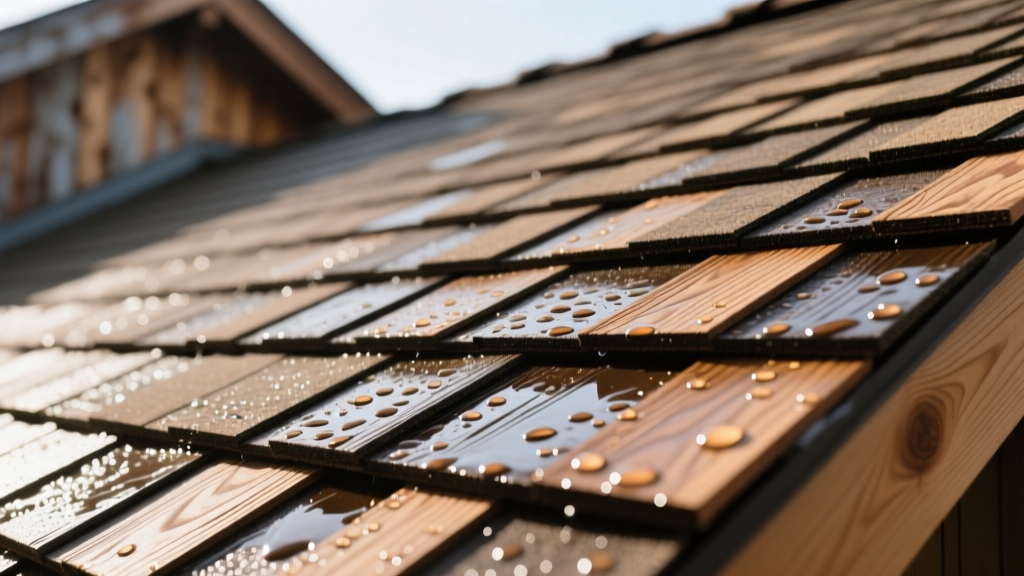
The Anatomy of Timberline HDZ: Why Maintenance is Different
GAF’s Timberline HDZ shingles represent a significant upgrade in architectural asphalt roofing, utilizing LayerLock technology and a proprietary StrikeZone nailing area. While these features drastically reduce wind uplift and installation errors, they do not make the roof immune to biological growth, debris accumulation, or environmental staining. Maintaining Timberline HDZ shingles requires a specific playbook that respects the StainGuard Plus PRO time-release microsite technology and the delicate asphalt-granule matrix.
The High Definition Zoning (HDZ) shadow bands create a deep, dimensional profile that mimics natural wood shakes. However, these shadow lines and the micro-crevices between the fused LayerLock tabs can trap wind-blown dirt, pine needles, and organic matter. Unlike standard 3-tab shingles, you cannot simply pry up the overlapping layers of a Timberline HDZ shingle to clean underneath; the LayerLock sealant fuses the courses together into a unified membrane. Forcing them apart will tear the fiberglass mat and compromise the roof’s watertight integrity.
The Soft-Wash Cleaning Playbook: Step-by-Step
When biological growth (Gloeocapsa magma algae, moss, or lichen) compromises the aesthetic of your roof, a chemical soft-wash is the only ARMA (Asphalt Roofing Manufacturers Association) approved cleaning method. Follow this precise formulation and application sequence to clean the roof without harming the StainGuard Plus PRO copper-ion microsites.
- Dry Debris Extraction: Before applying any liquids, remove all dry organic matter. Use a commercial-grade backpack leaf blower (minimum 200 MPH air velocity) to clear pine needles and leaves from the valleys and shadow bands. If sweeping is necessary, use a soft-bristle push broom and only sweep down-slope. Sweeping up-slope will catch the butt edges of the shingles and break the LayerLock seals.
- Chemical Formulation: Mix a cleaning solution of 1 part standard household bleach (5.25% sodium hypochlorite) to 3 parts water. For severe moss infestations, increase to a 50/50 ratio. Add 2 ounces of a non-ionic surfactant (like Dawn dish soap or a dedicated roof-wash surfactant) per gallon of mix. The surfactant breaks the surface tension, allowing the solution to cling to the steep pitch of the HDZ shingles rather than running off immediately.
- Application and Dwell Time: Apply the mixture using a low-pressure diaphragm pump sprayer or a dedicated soft-wash system calibrated to under 60 PSI. Saturate the affected areas from the ridge down to the eaves. Allow the solution to dwell for 15 to 20 minutes. The algae streaks should turn from black/green to a pale yellow or white. Do not let the solution dry on the shingles, as concentrated bleach can prematurely age the asphalt binder.
- Low-Pressure Rinse: Rinse the roof using a standard garden hose with a wide-fan nozzle or no nozzle at all. Municipal water pressure (typically 40-60 PSI) is sufficient to flush the dead organic matter and residual bleach into the gutters. Protect your landscaping by pre-wetting shrubs with fresh water before starting and rinsing them thoroughly immediately after the roof rinse.
Seasonal Maintenance & Inspection Matrix
Routine maintenance prevents the need for aggressive chemical interventions. Use this matrix to schedule your annual Timberline HDZ care routine.
| Season | Primary Task | Required Tools | Timberline HDZ Specific Focus |
|---|---|---|---|
| Spring | Biological growth inspection & gutter flushing | Binoculars, garden hose, gutter scoop | Check north-facing slopes for early algae streaking; ensure StainGuard Plus PRO is actively shedding copper ions. |
| Summer | Canopy management & UV damage check | Pole pruner, ladder stabilizer | Trim tree branches to 10 feet away from the roof to maximize UV exposure, which naturally inhibits moss growth in the shadow bands. |
| Fall | Heavy debris clearing & valley inspection | Backpack blower, soft-bristle broom | Clear wet leaves from the HDZ shadow lines and valleys to prevent moisture retention and premature granule loss. |
| Winter | Ice dam prevention & snow load management | Aluminum snow rake, calcium chloride pucks | Never use metal shovels or pickaxes. Leave a 2-inch snow buffer when raking to avoid scraping the HDZ ceramic granules. |
Troubleshooting Common Timberline HDZ Issues
StainGuard Plus PRO Exhaustion and Localized Algae
Timberline HDZ shingles feature StainGuard Plus PRO, which utilizes time-release microsites to distribute algae-inhibiting copper ions evenly over 10 to 15 years. However, if your roof is heavily shaded by dense pine canopies or sits in a high-humidity microclimate, localized algae can still form. If you notice black streaks returning within 5 years of installation, do not apply copper sulfate powder directly to the roof; this can cause rapid granule discoloration. Instead, install 6-inch wide zinc or copper flashing strips just below the ridge cap. As rain washes over the metal, it creates a natural, continuous algae-inhibiting wash over the HDZ courses below.
Tree Sap and Environmental Pollutants
If your Timberline HDZ roof is under oak or pine trees, hardened sap and tannin stains are common. Do not use abrasive wire brushes or harsh solvents like acetone, which will dissolve the asphalt binder. To remove sap, apply a small amount of mineral spirits to a clean microfiber cloth and gently dab the affected granules. Allow the mineral spirits to soften the sap for 5 minutes, then wipe away. Rinse the area immediately with a garden hose to prevent the solvent from penetrating the shingle mat.
LayerLock Sealant Failures and Wind Creases
While the LayerLock technology fuses the overlapping layers, extreme thermal cycling (rapid drops from 100°F daytime highs to 40°F nights) can occasionally cause micro-fractures in the sealant band on older installations. If you spot a lifted shingle tab during your spring inspection, do not simply nail through the face of the shingle. According to GAF's official installation and repair guidelines, you must carefully lift the tab, apply a 1-inch diameter spot of plastic roofing cement under the sealant strip, and press down firmly. If the ambient temperature is below 60°F, use a heat gun on a low setting to gently warm the sealant strip to ensure a proper re-bond.
Professional vs. DIY Soft Washing: Making the Decision
For single-story homes with a low pitch (4/12 or less), the DIY soft-wash playbook outlined above is highly effective and safe, provided you use proper fall protection and harness systems. The chemical costs are minimal (under $50 for a standard 2,000 sq. ft. roof), and the risk of granule damage is near zero when using a garden hose.
However, for multi-story homes, steep pitches (8/12 or higher), or roofs with complex valley intersections, hiring a professional is mandatory. When vetting a contractor, require proof that they use a dedicated soft-wash system calibrated to under 100 PSI at the nozzle. Many standard 'pressure washing' companies use downstream injectors that can accidentally spike pressure to 1,500 PSI if the nozzle is restricted, which will instantly blast the HDZ granules into the gutters. Always verify that the contractor is familiar with ARMA's technical bulletins regarding asphalt shingle maintenance to ensure your GAF warranty remains fully intact.
By adhering to this targeted maintenance playbook, you protect the advanced engineering of the Timberline HDZ system, preserving both the aesthetic shadow bands and the structural integrity of the LayerLock seals for the full lifecycle of the roof.