The Complete Deck Roof Maintenance Playbook: Cleaning and Upkeep
Master deck roof maintenance with our expert playbook. Learn specific cleaning protocols for TPO, EPDM, metal, and polycarbonate deck roofs.
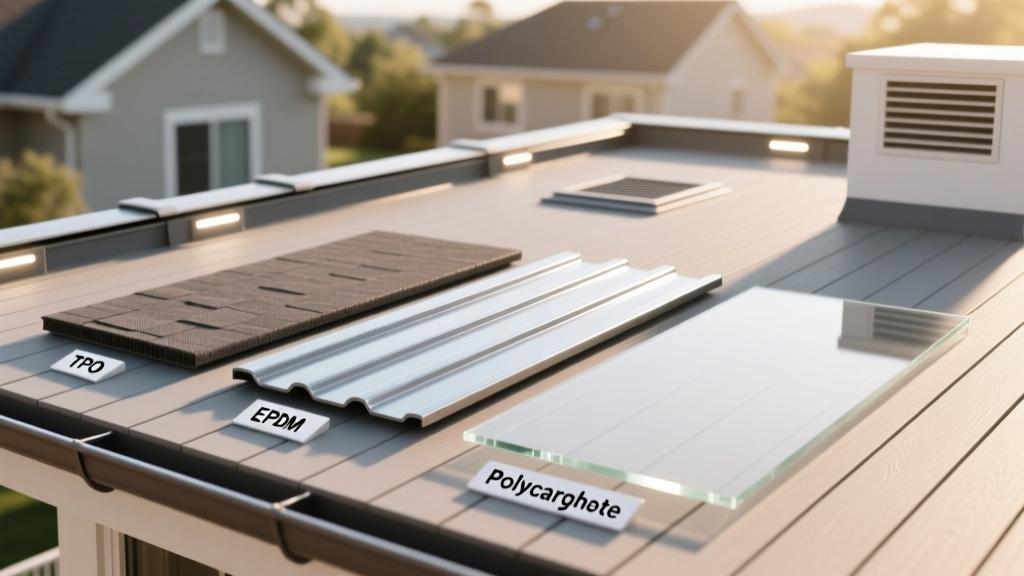
Decoding Your Deck Roof Architecture
The term "deck roof" encompasses two fundamentally different structural systems, each requiring a highly specific maintenance approach. In commercial and high-end residential construction, a rooftop plaza deck roof refers to a low-slope waterproofing membrane (such as TPO, PVC, or EPDM) designed to support pedestrian traffic via pedestal pavers or a poured concrete wear surface. Conversely, a patio deck cover roof is a pitched or flat roofing system (typically metal, polycarbonate, or corrugated PVC) built over a ground-level wooden or composite deck to provide shade and weather protection.
Maintaining these systems requires moving beyond generic "sweep and wash" advice. As of 2026, advanced bio-based cleaners and strict manufacturer warranties demand precise chemical and mechanical protocols. This playbook details the exact procedures, chemical restrictions, and inspection matrices required to maximize the lifespan of your specific deck roof system.
Rooftop Plaza Deck Roofs: Membrane & Pedestal Protocols
Rooftop decks place immense stress on the underlying waterproofing membrane. The wear surface (pavers or decking) protects the membrane from UV degradation, but it also traps moisture, debris, and biological growth that can compromise the roof assembly.
TPO and PVC Single-Ply Membranes
Thermoplastic Polyolefin (TPO) and Polyvinyl Chloride (PVC) membranes are highly reflective and resistant to punctures, but their heat-welded seams are vulnerable to harsh chemicals and high-pressure water intrusion.
- Cleaning Agent: Use a pH-neutral, non-abrasive cleaner (e.g., Simple Green Oxy Dog or a dedicated single-ply roof wash). Avoid citrus-based degreasers, which can soften the plasticizers in PVC.
- Mechanical Action: Scrub with a soft-bristle polypropylene broom. Never use wire brushes or stiff nylon bristles that can score the membrane surface.
- Pressure Washing Limits: If using a pressure washer to rinse, restrict the pressure to a maximum of 1,500 PSI. Use a 40-degree fan tip and maintain a minimum 12-inch distance from the membrane to prevent delaminating the heat-welded seams.
EPDM Rubber Membrane Systems
Ethylene Propylene Diene Monomer (EPDM) is highly durable but chemically sensitive to petroleum distillates.
Pedestal Pavers and Drainage Matrices
The gap between pedestal pavers (typically 1/8" to 3/16") is designed to allow water to pass through to the drainage mat below. When these gaps clog with organic matter, ponding water occurs, leading to algae growth and increased dead load on the roof structure.
- Gap Clearing: Use a specialized 3/16" gap-cleaning tool or a high-velocity leaf blower. Never use a metal screwdriver or putty knife to scrape out debris; a single slip can puncture the membrane beneath the paver.
- Drainage Mat Flushing: Annually, remove a 2x2 foot section of pavers near the primary drains. Inspect the underlying drainage mat (e.g., Enkamat) for silt buildup. Flush the mat with a low-pressure garden hose to clear the geotextile filter fabric.
- Wind Uplift Verification: Check the pedestal screw jacks for vibration loosening. Ensure the locking nuts are tight to prevent paver shifting during high-wind events.
Patio Deck Cover Roofs: Polycarbonate & Metal Systems
Patio deck covers are exposed to direct UV radiation and environmental fallout from overhanging trees. The maintenance focus here is on preserving optical clarity (for translucent panels) and preventing galvanic corrosion (for metal panels).
Multi-Wall Polycarbonate Panels
Polycarbonate panels (such as those manufactured by Palram or Lexan) feature a co-extruded UV-protective layer on the top surface. Destroying this layer leads to rapid yellowing and structural embrittlement.
Chemical Restriction: Never use ammonia-based glass cleaners (like Windex), bleach, or abrasive scouring pads on polycarbonate. Ammonia causes micro-crazing in the polycarbonate resin, creating tiny fractures that compromise the panel's impact resistance and UV coating.
The Correct Protocol: Wash with a solution of mild dish soap (like Dawn) and lukewarm water. Apply with a microfiber cloth or a natural sea sponge to lift dirt without scratching. Rinse thoroughly with a garden hose and dry with a chamois to prevent hard water spotting.
Standing Seam and Corrugated Metal Deck Roofs
Metal deck roofs (aluminum or Galvalume steel) require minimal cleaning but demand rigorous fastener and corrosion inspections.
- Galvanic Corrosion Check: Inspect areas where dissimilar metals meet (e.g., aluminum panels fastened to a steel ledger board). Look for white, powdery oxidation. Ensure dielectric washers or neoprene grommets are intact to separate the metals.
- Chalk Line Fading: For painted standing seam roofs, clean with a 50/50 mix of white vinegar and water to remove oxidation and environmental pollutants without stripping the PVDF (Kynar 500) paint finish.
- Fastener Retorque: On exposed-fastener corrugated metal roofs, thermal expansion and contraction will back out screws over time. Retorque all fasteners annually and replace any screws where the EPDM washer shows visible cracking or dry rot.
Bi-Annual Deck Roof Inspection Matrix
Routine visual inspections are the most cost-effective way to prevent catastrophic deck roof failures. Use this matrix to guide your spring and autumn assessments.
| System Component | Inspection Frequency | Key Failure Indicator | Corrective Action |
|---|---|---|---|
| TPO/PVC Membrane Seams | Bi-Annual (Spring/Fall) | Lifting edges, fish-mouths, or visible gaps in heat welds. | Clean area and apply manufacturer-approved lap sealant or re-weld. |
| EPDM Flashing & Penetrations | Bi-Annual | Shrinkage pulling flashing away from parapet walls or HVAC curbs. | Install new uncured EPDM flashing tape with water-block sealant. |
| Pedestal Paver Leveling | Annual (Post-Winter) | Rocking pavers, uneven joints, or localized ponding water. | Adjust pedestal screw jacks; replace warped pavers. |
| Polycarbonate UV Coating | Annual | Yellowing, hazing, or visible micro-fractures on the top surface. | Panel replacement (UV coating cannot be reapplied in the field). |
| Metal Roof Fasteners | Annual | Backed-out screws, cracked neoprene washers, or rust streaking. | Retorque or replace with oversized fasteners and fresh gaskets. |
Troubleshooting Common Deck Roof Failures
When maintenance is deferred, deck roofs exhibit specific failure modes. Understanding the root cause prevents misdiagnosis and unnecessary replacement costs.
Failure Mode 1: Biological Growth Under Rooftop Pavers
Symptom: A persistent musty odor on the rooftop deck, accompanied by black algae or moss growing on the underside of the pedestal pavers.
Cause: The drainage mat beneath the pavers is clogged with silt, preventing water from reaching the primary roof drains. The trapped moisture creates a microclimate ideal for biological growth.
Fix: Lift the pavers in the affected zone. Power-wash the pavers with a 10% sodium hypochlorite solution (rinse thoroughly). Vacuum the silt from the drainage mat using a wet/dry shop vac, then flush the membrane with clean water to verify drainage flow.
Failure Mode 2: Polycarbonate Panel Condensation & Algae
Symptom: Green or black streaks visible inside the hollow flutes of multi-wall polycarbonate patio deck panels.
Cause: The U-profile end caps at the bottom of the panels have degraded or fallen off, allowing wind-driven rain and insects to enter the hollow chambers. Once inside, moisture cannot escape, leading to internal algae blooms.
Fix: Remove the affected panels. Flush the flutes with a mild bleach solution and allow them to dry completely in direct sunlight. Reinstall the panels using new, breathable weep-hole end closures and secure them with UV-resistant aluminum U-profile caps.
Maintenance Cost Breakdown: DIY vs. Professional
Deciding whether to perform deck roof maintenance in-house or hire a certified roofing contractor depends on the system's complexity, roof pitch, and accessibility. The following data reflects average 2026 market rates for a standard residential or light-commercial deck roof.
| Maintenance Task | DIY Cost (Materials Only) | Professional Service Cost | Recommendation |
|---|---|---|---|
| Rooftop Membrane Washing (per 1,000 sq ft) | $45 - $80 (Cleaners & brushes) | $250 - $400 | DIY for single-story; Pro for multi-story or steep pitches. |
| Pedestal Paver Leveling & Gap Clearing (per 1,000 sq ft) | $0 - $20 (Gap tools) | $300 - $500 | DIY highly recommended; labor-intensive but technically simple. |
| EPDM/TPO Seam Inspection & Spot Repair | $60 - $120 (Sealant & tape) | $450 - $800 (Min. service call) | Pro recommended to maintain manufacturer warranty compliance. |
| Polycarbonate Panel Deep Clean (per 500 sq ft) | $15 - $30 (Soap & microfiber) | $150 - $250 | DIY; professionals often use improper chemicals that void warranties. |
Adhering to these precise, material-specific protocols ensures your deck roof remains watertight, structurally sound, and visually pristine. For further technical guidelines on low-slope roof upkeep, consult the National Roofing Contractors Association (NRCA) technical resources, and refer to the Single-Ply Roofing Industry (SPRI) for updated standards on TPO and PVC membrane care.