Groundwork Women's Garden Bee Low Waterproof Clogs: Material Taxonomy
Analyze the polymer taxonomy of the Groundwork Women's Garden Bee Low Waterproof Clogs, comparing EVA, TPR, and monolithic molding for site use.
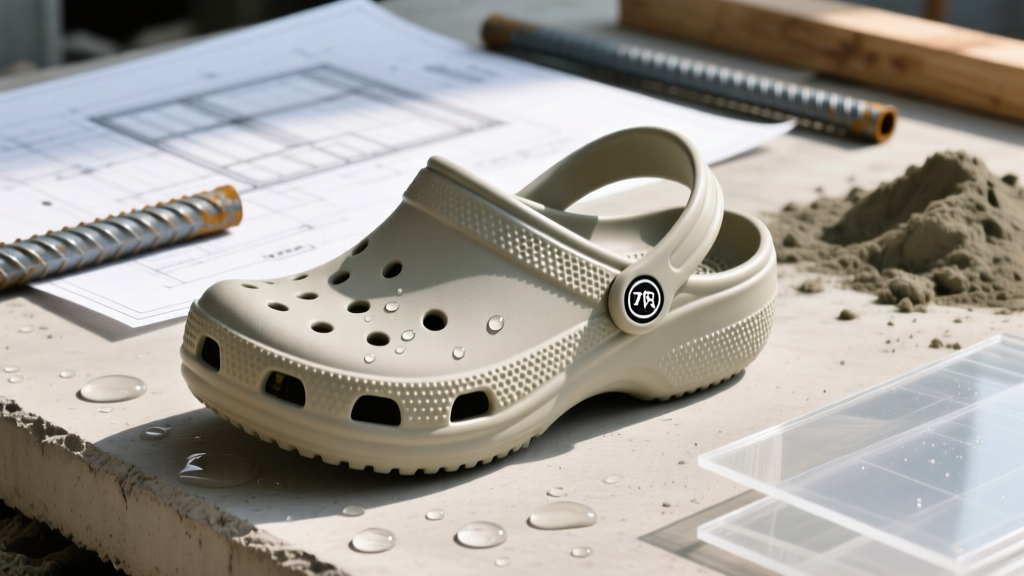
The Polymer Taxonomy of Waterproof Site Footwear
In the landscaping, hardscaping, and light construction sectors, personal protective equipment (PPE) must balance hydrostatic resistance with all-day ergonomic comfort. Historically, site workers relied on heavy vulcanized rubber wellingtons or stitched leather boots equipped with laminated waterproof membranes. However, advancements in polymer science have shifted the industry toward monolithic, injection-molded thermoplastics. The Groundwork Women's Garden Bee Low Waterproof Clogs serve as an excellent benchmark for this material evolution, utilizing a specialized closed-cell foam architecture that fundamentally changes how waterproof footwear performs in saturated environments.
Understanding the material taxonomy of these clogs requires moving beyond basic marketing claims and examining the specific molecular structures, molding processes, and tribological properties that dictate their performance on wet job sites. By deconstructing the materials used in the Groundwork Women's Garden Bee Low Waterproof Clogs, site managers and procurement specialists can make data-driven decisions regarding PPE allocation for wet-weather operations.
Material Matrix: EVA vs. Vulcanized Rubber vs. Polyurethane
The upper shell of the Groundwork clogs is constructed from Ethylene Vinyl Acetate (EVA), a copolymer that has largely disrupted the traditional rubber boot market. To understand why EVA is the preferred material for low-profile garden and site clogs, we must compare its physical properties against legacy materials.
| Material Property | Injection-Molded EVA | Vulcanized Rubber | Polyurethane (PU) |
|---|---|---|---|
| Density (g/cm³) | 0.15 - 0.35 | 1.10 - 1.25 | 0.40 - 0.60 |
| Water Absorption | < 1% (Closed-Cell) | 0% (Solid Matrix) | < 2% (Microcellular) |
| Thermal Insulation | High (Trapped Gas Cells) | Low (Thermal Conductor) | Moderate |
| Abrasion Resistance | Moderate | Excellent | Excellent |
| Weight per Pair | ~1.2 lbs | ~3.5 lbs | ~2.0 lbs |
According to the British Plastics Federation, EVA's defining characteristic is its closed-cell morphology when foamed. During the injection molding process, a chemical blowing agent creates millions of microscopic, non-interconnected gas pockets within the polymer matrix. This structure not only reduces the overall weight of the Groundwork Women's Garden Bee Low Waterproof Clogs by nearly 65% compared to traditional rubber wellies but also provides inherent thermal insulation, keeping feet warm in cold, saturated mud without the need for heavy neoprene linings.
Monolithic Injection Molding vs. Laminated Membranes
The most critical failure point in traditional waterproof work boots is the seam. Stitched leather or synthetic uppers rely on needle holes, which are then sealed with tape or backed by a laminated "bootie" membrane (such as PTFE/Gore-Tex). In heavy landscaping or masonry work, these membranes frequently fail due to three mechanisms:
- Puncture Fatigue: Sharp aggregate, thorns, or trowel edges compromise the 0.02mm thick membrane.
- Hydrostatic Overload: When the outer leather "wets out" (loses its Durable Water Repellent coating), hydrostatic pressure forces water through the membrane's microscopic pores.
- Seam Tape Delamination: Repeated flexing and exposure to alkaline concrete slurries degrade the adhesives binding the seam tape.
The Infinite Hydrostatic Head of Solid Polymers
The Groundwork Women's Garden Bee Low Waterproof Clogs bypass these failure modes entirely through single-shot injection molding. Because the upper is formed as a single, continuous piece of EVA foam, there are zero needle holes and zero bonded seams. In textile testing, waterproofness is measured in "hydrostatic head" (the height of a water column the fabric can support before leaking). While high-end laminated membranes boast ratings of 10,000mm to 20,000mm, a monolithic EVA shell possesses an effectively infinite hydrostatic head. Water ingress is physically impossible unless the material is completely severed.
Outsole Tribology and Slip Resistance
While EVA excels as a waterproof, lightweight upper, it lacks the tensile strength and abrasion resistance required for high-friction outsoles. To compensate, the Groundwork clogs utilize a secondary material for the tread: a specialized Thermoplastic Rubber (TPR) or carbon-infused rubber compound. This dual-density construction is bonded directly to the EVA upper during the molding cycle, eliminating the need for toxic solvent-based adhesives that can degrade in wet environments.
Chemical Resistance in Landscaping and Hardscaping
Landscaping professionals routinely expose their PPE to a harsh cocktail of agrochemicals. The Environmental Protection Agency (EPA) mandates specific PPE for pesticide handling, but everyday exposure to diluted fertilizers, herbicides like glyphosate, and alkaline masonry compounds degrades inferior materials rapidly.
- Nitrogen-Based Fertilizers: Highly corrosive to metals and can break down the plasticizers in low-grade PVC. EVA is chemically inert to standard NPK fertilizer solutions.
- Concrete Curing Compounds: The high alkalinity (pH 12-13) of wet concrete and curing agents will rot stitched threads in leather boots. Monolithic EVA and TPR remain unaffected by alkaline hydrolysis.
- UV Degradation: Prolonged sun exposure causes some polymers to undergo chain scission, leading to brittleness. The EVA used in premium site clogs is compounded with UV stabilizers (like hindered amine light stabilizers, or HALS) to prevent surface chalking and cracking over multiple seasons.
While EVA is highly resistant to water-based chemicals and agrochemicals, it is vulnerable to petroleum-based solvents. Workers applying solvent-based sealers to natural stone or using heavy-duty mineral-spirit-based adhesives should avoid prolonged contact with EVA uppers, as the solvents can extract the plasticizers, causing the polymer to shrink and harden.
Selection Framework: Site-Specific Material Matching
Determining whether the Groundwork Women's Garden Bee Low Waterproof Clogs are the correct PPE for your crew requires matching the material profile to the specific job site parameters. Use the following decision framework to guide procurement:
When to Specify Molded EVA Clogs:
- Wet Landscaping & Planting: The lightweight nature of EVA reduces leg fatigue during high-step-count days in nursery environments and soft soil.
- Hardscape Sealing & Grouting: The non-porous surface allows workers to easily wash off wet polymeric sand, grout haze, and sealers with a simple hose-down.
- Transitional Weather Operations: The thermal properties of closed-cell EVA provide adequate insulation in 40°F to 60°F conditions without causing the excessive sweating associated with heavy rubber boots in warmer weather.
When to Upgrade to Heavy-Duty Alternatives:
- Heavy Demolition & Rebar Work: EVA lacks the puncture resistance of steel-toe, Kevlar-lined leather boots. If the site features exposed rebar, sharp metal debris, or heavy falling objects, molded clogs are insufficient.
- Hot Asphalt & Tar Application: Thermoplastics like EVA and TPR have relatively low melting points compared to vulcanized rubber or specialized heat-resistant leathers. They should not be used in hot-pour paving operations.
Maintenance and Longevity of Molded Polymers
To maximize the lifecycle of injection-molded waterproof footwear, site managers must implement proper maintenance protocols. Unlike leather, which requires conditioning oils to prevent drying and cracking, EVA requires protection from extreme thermal storage conditions. Leaving the clogs in the bed of a truck under direct summer sunlight or near industrial heaters can accelerate plasticizer migration, leading to premature stiffening. A simple rinse with fresh water to remove acidic soil compounds and alkaline masonry dust, followed by air drying in the shade, will preserve the polymer's structural integrity and waterproofing capabilities for multiple seasons of heavy site use.