Waterproof Luxury Vinyl Flooring: Top Brand Deep-Dives 2026
Compare top waterproof luxury vinyl flooring brands for 2026. We analyze core tech, wear layers, pricing, and real-world performance for wet areas.
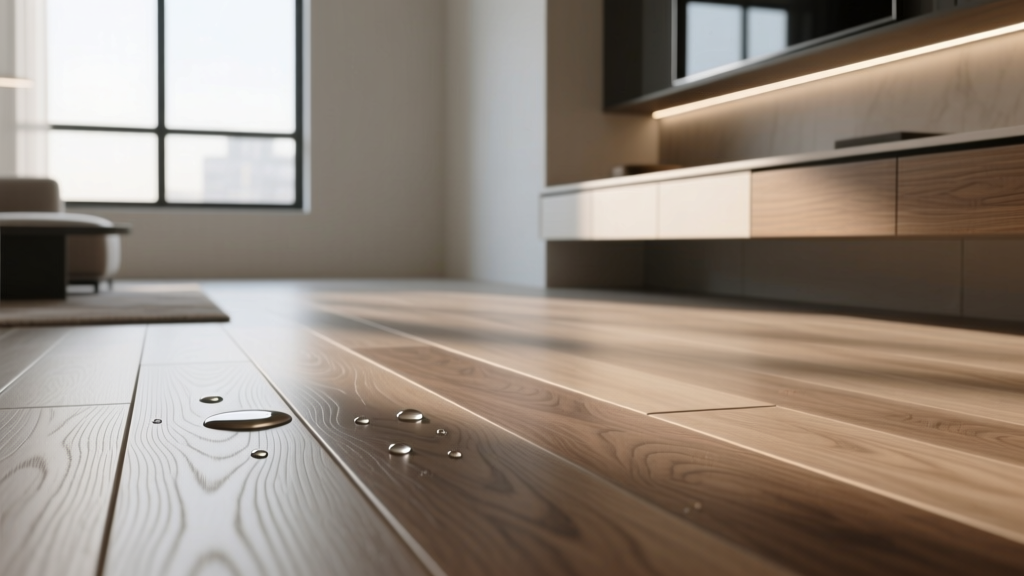
The 2026 Landscape of Waterproof Luxury Vinyl Flooring
Waterproof luxury vinyl flooring (LVF) has evolved from a budget alternative to a premium architectural specification. In 2026, the market is dominated by rigid core technologies that offer dimensional stability in high-moisture environments. However, the term "waterproof" is frequently misunderstood by consumers and contractors alike. While the extruded core of the plank itself is impervious to water damage, the installation system remains vulnerable to trapped moisture, hydrostatic pressure, and subfloor alkalinity. Selecting the right product requires looking past marketing claims and evaluating core density, wear layer chemistry, and locking mechanism tolerances.
Core Construction: SPC vs. WPC vs. Hybrid Core
The foundation of any waterproof luxury vinyl flooring is its rigid core. Understanding the metallurgical and chemical differences between Stone Plastic Composite (SPC), Wood Plastic Composite (WPC), and Hybrid cores is critical for specifying the right material for wet zones like bathrooms, mudrooms, and below-grade basements.
| Core Type | Composition | Dent Resistance | Acoustic Comfort | Avg. Price (2026) |
|---|---|---|---|---|
| SPC | Limestone powder + PVC stabilizers | Exceptional (High density) | Poor (Hard underfoot) | $3.50 - $6.00 / sq ft |
| WPC | Wood pulp + PVC + foaming agents | Moderate (Prone to heavy dents) | Excellent (Softer, warmer) | $5.00 - $8.50 / sq ft |
| Hybrid | SPC center + WPC/EVA top layer | High | Good | $5.50 - $9.00 / sq ft |
For commercial spaces or homes with heavy rolling loads, SPC is the mandatory choice due to its high compressive strength. For residential bedrooms or living areas where underfoot comfort and sound dampening are priorities, WPC or Hybrid cores provide a superior experience without sacrificing the waterproof core guarantee.
Brand Deep-Dive: Top Contenders for Wet Environments
COREtec (USFloors) - The Premium WPC/SPC Standard
COREtec pioneered the rigid core category and remains a benchmark for dimensional stability. Their COREtec Pro Plus XL line features a 20-mil commercial-grade wear layer and a high-density SPC core. The standout feature for wet environments is the attached 1.5mm cork underlayment, which is naturally resistant to mold and mildew. Unlike foam underlayments that can trap moisture and degrade, cork allows minor moisture vapor to dissipate laterally. Pricing for the Pro Plus XL series typically ranges from $6.50 to $8.50 per square foot. The patented angle-tap locking mechanism creates a remarkably tight seam, minimizing the risk of surface water penetrating the joints during routine mopping.
Shaw Floorté - The High-Definition SPC Leader
Shaw’s Floorté Premio collection utilizes an advanced SPC core engineered specifically to resist telegraphing (where subfloor imperfections push through the vinyl). The Premio line boasts a massive 30-mil wear layer coated with Shaw’s proprietary urethane finish, which includes embedded aluminum oxide for extreme scratch resistance. This makes it ideal for mudrooms where wet, gravel-covered boots are common. The visual layer utilizes high-definition EIR (Embossed in Register) texturing that perfectly aligns with the visual wood grain. Expect to pay between $5.00 and $7.00 per square foot. Shaw also integrates a 5mm thickness that allows for seamless transitions to standard hardwood or tile without requiring bulky reducer moldings.
Armstrong Flooring Vivero - The Commercial-Grade Crossover
Armstrong’s Vivero Best line bridges the gap between commercial durability and residential aesthetics. The critical differentiator is the Diamond 10 Technology wear layer. By infusing the urethane topcoat with cultured diamonds, Armstrong has created a surface that resists scuffs, stains, and chemical degradation from harsh cleaning agents often used in wet areas. The 20-mil wear layer is backed by a rigid SPC core. Priced competitively at $4.50 to $6.00 per square foot, Vivero Best offers exceptional value for large-scale wet-area installations, such as open-plan kitchen-to-living-room layouts where water spills are frequent.
The "Waterproof" Myth vs. Reality
A critical distinction in 2026 flooring specifications: the plank is waterproof; the installation is not. If surface water seeps through the micro-seams of the click-lock joints and becomes trapped between the LVF and the subfloor, it creates a dark, unventilated environment. According to the Environmental Protection Agency (EPA) guidelines on indoor moisture, trapped moisture will inevitably lead to mold growth on the organic materials present in the subfloor (like OSB or plywood) or cause alkaline salt efflorescence on concrete. Always pair waterproof luxury vinyl flooring with a proper vapor retarder when installing over below-grade concrete.
Real-World Failure Modes & Edge Cases
Even the highest-rated waterproof luxury vinyl flooring will fail if environmental edge cases are ignored. Based on data and installation standards tracked by the Resilient Floor Covering Institute (RFCI), here are the most common failure modes in wet environments:
- Hydrostatic Pressure Failure: Installing floating LVF over a below-grade concrete slab without a moisture test. If hydrostatic pressure pushes alkaline moisture up through the concrete, it will pool under the vapor barrier, eventually breaking down the barrier and causing severe mold blooms. Fix: Always perform an ASTM F2170 relative humidity (RH) probe test. If RH exceeds 80%, apply a penetrating concrete sealer or epoxy moisture mitigation system before installation.
- Subfloor Telegraphing: SPC is highly rigid but relatively thin (often 4mm-5mm). If the subfloor has a variance greater than 3/16-inch over a 10-foot radius, the locking mechanisms will bear the structural load. Over time, foot traffic over these uneven spots will snap the click-lock joints, opening seams and allowing water to infiltrate the subfloor.
- UV Degradation in Sunrooms: While the core is waterproof, the printed visual layer and urethane wear layer are susceptible to UV fading. In sun-drenched wet areas (like a solarium with a hot tub), specify products with UV-inhibitor topcoats, or expect noticeable color shifting within 24 months.
- Thermal Expansion Buckling: LVF expands and contracts with temperature fluctuations, not just moisture. In bathrooms with radiant floor heating, exceeding the manufacturer’s maximum surface temperature (typically 85°F) will cause the planks to expand beyond the perimeter gap, resulting in peaking at the seams.
Subfloor Prep & Installation Specs for Wet Zones
To ensure the waterproof integrity of the flooring system, contractors must adhere to strict installation protocols in wet zones (bathrooms, laundry rooms, and mudrooms):
- Moisture Testing: Conduct a calcium chloride test (ASTM F1869) or in-situ RH probe test (ASTM F2170). Document the readings. Do not proceed if moisture levels exceed the specific manufacturer’s threshold.
- Vapor Retarders: For on-grade or below-grade concrete, lay a 6-mil polyethylene vapor barrier, overlapping seams by 6 inches and taping them with moisture-resistant sheathing tape. Tape the perimeter to the wall to create a continuous moisture envelope.
- Expansion Gaps: Maintain a strict 1/4-inch expansion gap around the entire perimeter, including around toilet flanges, vanity kickplates, and door jambs. Never pin the floor down with heavy cabinetry or bolted fixtures.
- Perimeter Sealing: In fully wet rooms (like a main bathroom with a shower), fill the 1/4-inch expansion gap at the walls with 100% silicone sealant before installing the baseboards. This prevents surface water from migrating down the wall cavity and under the flooring.
- Acclimation: While SPC and WPC are largely impervious to ambient humidity, they must acclimate to the room’s temperature. Keep the HVAC system running at normal living conditions (65°F - 85°F) for at least 48 hours prior to and during installation to ensure the click-lock mechanisms are at their optimal dimensional tolerance.
Specifying waterproof luxury vinyl flooring in 2026 requires a holistic approach. By selecting the correct core technology for the specific load requirements, verifying the wear layer chemistry for chemical and scratch resistance, and enforcing rigorous subfloor moisture mitigation, you can achieve a highly durable, water-resilient surface that performs flawlessly for decades.