2026 Building Materials News: Comprehensive Market & Pricing Guide
Track 2026 building materials news with our comprehensive guide. Analyze commodity pricing, supply chain shifts, and emerging sustainable trends.
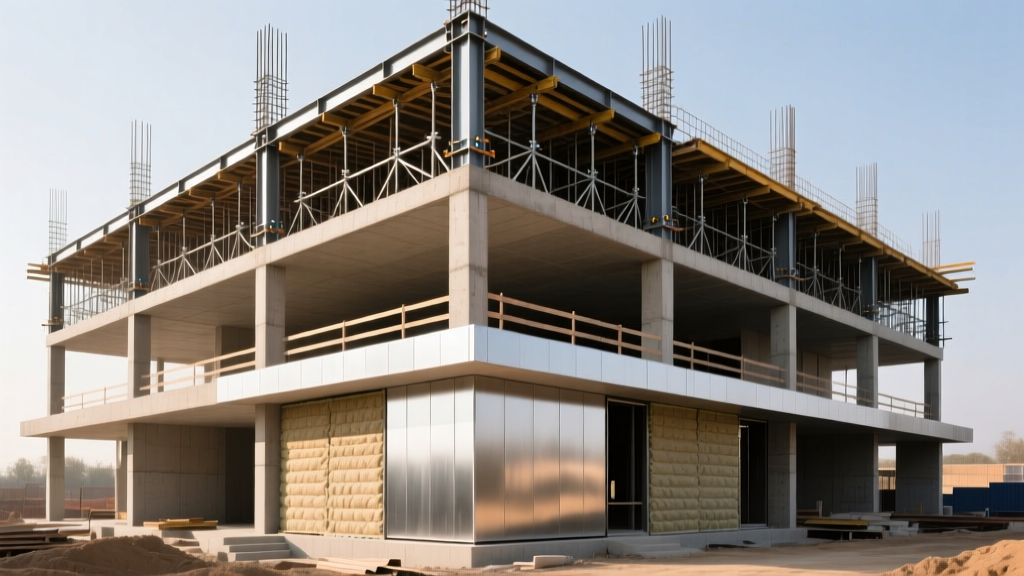
Decoding the 2026 Macro Market Shift
Tracking building materials news in 2026 requires moving beyond surface-level headlines about inflation and understanding the bifurcated nature of the current construction economy. While residential housing starts have stabilized following the interest rate peaks of previous years, heavy industrial and data center construction continue to exert massive upward pressure on specific commodity classes. Procurement officers and general contractors can no longer rely on blanket year-over-year price escalations; instead, material costs are now dictated by localized logistics bottlenecks, geopolitical trade tariffs, and strict new embodied carbon mandates.
According to the Bureau of Labor Statistics Producer Price Index (PPI) for construction inputs, the era of synchronized, across-the-board price spikes has ended. In its place is a highly volatile micro-market environment. For example, while softwood lumber prices have largely normalized due to increased Canadian milling capacity and reduced US housing speculation, electrical components and specialized HVAC steel remain constrained by domestic manufacturing lead times that frequently exceed 40 weeks.
2026 Commodity Pricing & Volatility Matrix
The following matrix outlines baseline pricing expectations and primary volatility drivers for core structural materials in 2026. These figures represent national averages for bulk commercial purchasing and should be adjusted for regional freight surcharges.
| Material Category | 2026 Baseline Price Range | Volatility Index | Primary Supply Chain Driver |
|---|---|---|---|
| Softwood Lumber (SPF 2x4) | $420 - $480 / MBF | Moderate | Canadian railway transit reliability; US housing start volume. |
| Structural Steel (Hot-Rolled) | $780 - $860 / Short Ton | High | Data center demand; Section 232 tariff adjustments on imported beam. |
| Portland Cement (Type I/II) | $145 - $165 / Short Ton | Low | Regional kiln utilization rates; bulk trucking freight costs. |
| Copper (Wire & Cable Grade) | $4.30 - $4.75 / lb | Severe | Global EV transition demand; South American mine output disruptions. |
| Rigid Insulation (Polyiso) | $0.85 - $1.05 / Sq Ft | Moderate | Petrochemical feedstock pricing; updated IECC energy code thickness requirements. |
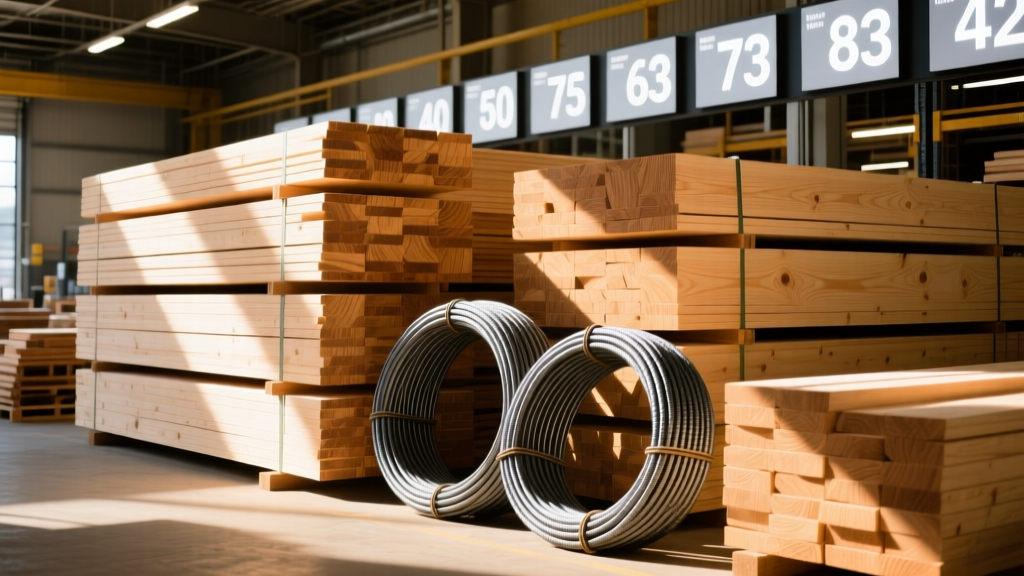
Navigating Regulatory Building Materials News: The EPD Mandate
One of the most critical shifts in recent building materials news is the transition of Environmental Product Declarations (EPDs) from a voluntary LEED-chasing exercise to a strict regulatory requirement. Driven by the Environmental Protection Agency's Buy Clean Initiative and mirrored by state-level mandates in California, Colorado, and New York, public works projects and subsidized commercial developments now require verified EPDs for structural steel, concrete, glass, and asphalt.
For general contractors, this means procurement can no longer be based solely on the lowest landed cost. Bidders must verify that their selected suppliers possess Type III, ISO 14025-compliant EPDs that demonstrate a Global Warming Potential (GWP) below the specific thresholds established by the governing authority. Failing to secure compliant material documentation can result in withheld retainage or rejected pay applications, even if the physical material meets all structural engineering specifications.
"In 2026, an EPD is as critical to the submittal package as the mill test report. We have seen projects delayed by months because the selected concrete batch plant had not updated their GWP calculations to reflect their current mix design."
Procurement Strategy: Filtering Signal from Noise
The sheer volume of daily construction and building materials news can overwhelm procurement teams. To translate market intelligence into a competitive bidding advantage, contractors must implement a structured filtering system that separates macroeconomic noise from actionable micro-market signals.
Step 1: Isolate Tier-1 Index Data
Ignore secondary news aggregators that recycle month-old press releases. Subscribe directly to primary data sources. Track the monthly PPI releases for specific NAICS codes (e.g., NAICS 3273 for Cement and Concrete Products) and monitor the Random Lengths framing lumber composite index weekly. Set up automated alerts for when specific indices deviate by more than 4% from their 90-day moving average.
Step 2: Cross-Reference with Freight and Logistics
A material price drop is irrelevant if regional freight rates negate the savings. Monitor the Cass Freight Index and regional diesel surcharges. For example, a localized shortage of flatbed trucks in the Southeast US can add $150 per ton to the delivered cost of structural steel, completely erasing a favorable mill-head price.
Step 3: Establish Contractual Hedging Triggers
Use your filtered data to negotiate material escalation clauses. Instead of standard percentage-based caps, tie contract escalation clauses to specific, verifiable indices. If the BLS PPI for copper wire exceeds a predefined baseline by 7%, the contract should automatically trigger a shared-risk cost adjustment mechanism, protecting both the owner and the contractor from catastrophic margin erosion.
Emerging Innovations Dominating Headlines
Beyond pricing and supply chain logistics, building materials news in 2026 is heavily focused on product innovations designed to solve labor shortages and meet aggressive net-zero carbon targets. Procurement teams must be prepared to evaluate and price these emerging alternatives:
- Carbon-Injected Concrete: Technologies that inject captured CO2 into the concrete mixing process are now mainstream. These admixtures (such as CarbonCure) permanently mineralize the carbon while actually increasing the compressive strength of the mix by up to 10%, allowing for cement reduction and lower overall GWP without sacrificing structural integrity.
- Mass Timber Expansion: Cross-Laminated Timber (CLT) and Glulam beams are no longer restricted to boutique commercial projects. With updated IBC code allowances for mass timber buildings up to 18 stories, domestic CLT manufacturing capacity has expanded significantly, reducing lead times from 20 weeks down to 12 weeks in primary markets.
- Bio-Based Insulation Alternatives: Mycelium-based acoustic panels and hempcrete block systems are moving from R&D to commercial availability. While still carrying a 15% to 20% cost premium over traditional fiberglass or polyiso, these materials offer superior moisture regulation and negative embodied carbon profiles, making them highly attractive for high-end ESG-focused corporate builds.
Final Directives for 2026 Procurement
Successfully navigating the current landscape requires treating material procurement as an active risk-management discipline rather than a passive purchasing function. Audit your supplier base for EPD compliance, lock in long-lead electrical gear 50 weeks in advance, and structure your contracts to reflect the reality of index-driven volatility. The contractors who thrive this year will be those who read the underlying data, not just the headlines.
Written by
Marcus ChenMarcus Chen is a licensed structural engineer (PE) and building materials analyst with over 12 years of experience across residential, commercial, and industrial construction. He holds a Master of Science in Civil Engineering from UC Berkeley and spent six years at Thornton Tomasetti before transitioning to independent consulting and technical writing. Marcus specializes in material selection for seismic-prone regions, concrete reinforcement strategies, and lifecycle cost analysis. His work has been cited by the American Concrete Institute (ACI) and the Structural Engineers Association of California (SEAOC). When he is not on a job site or at his desk, you will find him hiking the Sierra Nevada or restoring a 1920s craftsman bungalow in Oakland, CA.
More from Marcus Chen
View all
Construction Cost
How Much Did the Eiffel Tower Cost to Build?
How much did the Eiffel Tower cost to build in 1889? We adjust for inflation and compare its budget to modern skyscraper construction.
Aug 4, 2026

Fire Resistance
What Is a Fire Resistant Material? Testing & Certification Guide
Discover what is a fire resistant material through ASTM and UL testing. Learn how fire ratings, certifications, and assemblies work in construction.
Aug 4, 2026

Construction Cost
How Much Did the Burj Khalifa Cost to Build?
How much did the Burj Khalifa cost to build? We break down the $1.5B project and extract 5 money-saving strategies for your next build.
Jul 30, 2026