Matt's Building Materials Harlingen: Coastal Siding Application Guide
Master exterior siding and masonry in South Texas. Expert installation guide for climate-rated stock from Matt's Building Materials Harlingen.

Navigating the RGV Microclimate: Why Local Sourcing Matters
Harlingen, Texas, sits in a unique microclimate within the Rio Grande Valley (RGV). The combination of high Gulf Coast humidity, salt-laden air, and Ultimate Design Wind Speeds (Vult) reaching 130–140 mph dictates strict material selection and application protocols. When sourcing exterior cladding from Matt's Building Materials Harlingen, contractors gain access to region-specific SKUs—such as high-wind-rated fiber cement and low-alkali masonry products—that are pre-vetted for South Texas conditions. This guide details the exact application methodologies required to ensure structural integrity and code compliance for exterior materials in this coastal environment.
Material Acclimation and Moisture Thresholds
South Texas humidity can exceed 80% for much of the year. Improper storage and acclimation of porous building materials will trap moisture behind the cladding, leading to premature fastener corrosion and substrate rot. Below are the strict acclimation parameters for the primary exterior materials stocked locally.
| Material Type | Acclimation Time | Max Moisture Content | Required Coastal Fastener |
|---|---|---|---|
| Fiber Cement (5/16" Lap) | 48 Hours (Covered) | Keep Dry (<12%) | 304 Stainless Steel |
| Manufactured Stone Veneer | N/A | <5% for Scratch Coat | Hot-Dipped Galvanized Lath |
| Clay Brick (Extruded) | N/A | SSD (Saturated Surface Dry) | Type S Mortar (High Tensile) |
Step-by-Step Application: Fiber Cement in 130+ MPH Zones
Fiber cement siding, particularly the James Hardie Statement and Artisan lines available at Matt's Building Materials Harlingen, is the dominant cladding in the RGV due to its termite resistance and non-combustibility. However, its performance in hurricane-force winds relies entirely on the fastening schedule and weather-resistive barrier (WRB) integration.
Step 1: WRB and Drainage Matrix Installation
Standard felt paper is insufficient for Harlingen's wind-driven rain events. Install a drainable housewrap (e.g., Tyvek DrainWrap) with a 1/4-inch corrugation to create a capillary break. Tape all vertical seams with 3-inch manufacturer-approved tape, and integrate the WRB with window flashings using a shingle-lap methodology to shed bulk water.
Step 2: High-Wind Fastening Schedule
For wind zones exceeding 110 mph, blind nailing alone is often insufficient for the top courses and gable ends. According to FEMA Building Science guidelines for coastal wind resistance, you must transition to face nailing in high-stress areas.
- Field Fastening: 6d (2-inch) stainless steel ring-shank nails placed 16 inches on-center at studs, and 4 inches on-center at lap edges.
- Gable Ends & Eaves: Reduce stud spacing to 12 inches on-center. Face-nail with a 1/4-inch bead of ASTM C920 Class 25 sealant behind the joint.
- Penetration Clearance: Maintain a strict 1/8-inch gap between the nail head and the siding surface to allow for thermal expansion; over-driving will cause micro-fractures that propagate under wind load.
Step 3: Joint Detailing and Sealants
Do not use cheap acrylic latex caulks. The UV index and thermal cycling in South Texas will destroy them within two years. Specify a high-performance polyurethane or advanced polymer sealant (such as OSI Quad Max). Apply a 3/8-inch bead at all vertical butt joints, ensuring a two-sided adhesion bond by using a closed-cell backer rod in gaps exceeding 1/2 inch.
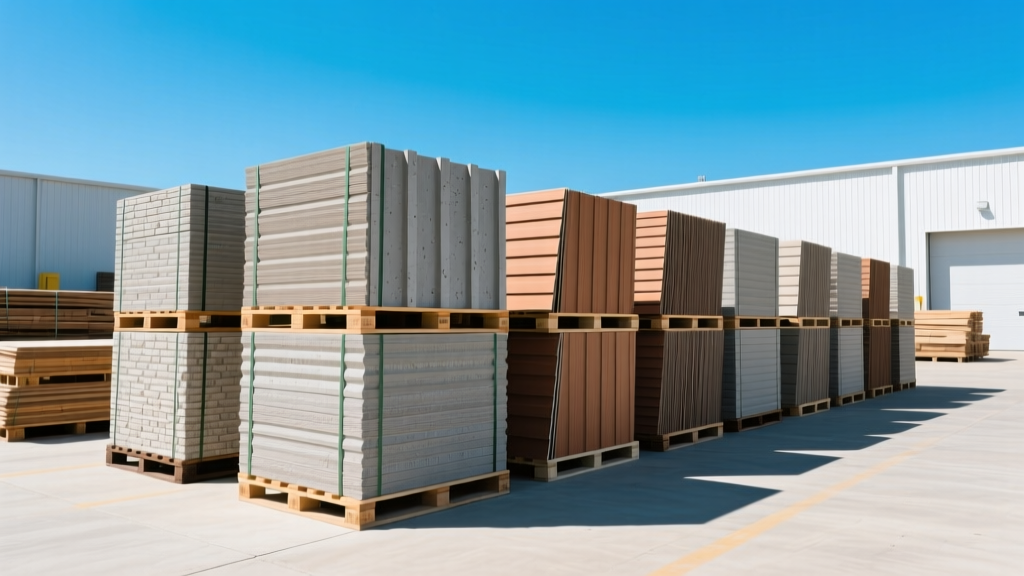
Masonry Veneer: Combating Coastal Efflorescence
Manufactured stone veneer (MSV) and clay brick provide excellent impact resistance against airborne debris. However, the high groundwater salinity and humidity in the RGV make efflorescence (white salt deposits) a primary failure mode. Proper application requires strict moisture management behind the masonry.
Expert Insight: When mixing mortar for coastal applications, avoid Type N mortar. The Portland Cement Association recommends Type S mortar (1 part Portland cement, 1/2 part hydrated lime, 4.5 parts sand) for exterior veneers in high-wind zones. Type S provides a minimum compressive strength of 1,800 psi and superior flexural bond strength to resist wind suction.
Weep Screed and Flashing Integration
Never install MSV directly to the concrete slab foundation. Install a weep screed (minimum 26-gauge galvanized steel) at least 4 inches above grade and 2 inches above paved surfaces. The WRB must lap over the weep screed flange by a minimum of 2 inches. This ensures that any moisture penetrating the masonry drains outward rather than wicking into the wood framing.
Troubleshooting Common RGV Application Failures
Even with premium materials from Matt's Building Materials Harlingen, improper installation leads to costly callbacks. Use this diagnostic matrix to address common field issues.
| Symptom | Root Cause | Corrective Action |
|---|---|---|
| Siding Buckling / Waving | Nails driven too tight; no expansion gap at butt joints. | Remove affected courses. Re-nail with 1/32" clearance at the head. Re-cut joints to 1/8" gap. |
| Severe Efflorescence on Stone | Missing weep screed; mortar droppings in the cavity bridging water to the face. | Dry brush deposits. Apply a breathable siloxane-based masonry sealer to inhibit water ingress. |
| Fastener Rust Streaking | Use of electro-galvanized nails in salt-air exposure zones. | Extract and replace all fasteners with 304 or 316 stainless steel ring-shank nails. |
Final Verification and TDI Certification
Upon completing the exterior envelope, the project must be inspected by a TDI-certified engineer to receive the WPI-8 certificate. This document is legally required for homeowners to secure windstorm insurance coverage in Cameron County. Ensure your nail patterns, flashing overlaps, and material certifications from Matt's Building Materials are documented with photographs prior to concealing them behind subsequent building trades. Proper documentation and strict adherence to coastal application standards ensure the cladding will withstand the harsh South Texas elements for decades.
Written by
James ThorntonJames Thornton is a construction industry veteran with 25 years of hands-on experience in wood framing, lumber grading, and residential building codes. He started as a framing carpenter in rural Oregon, earned his ICC Residential Building Inspector certification, and eventually became a senior plan reviewer for the City of Portland Bureau of Development Services. James holds a B.S. in Wood Science & Technology from Oregon State University and is a certified lumber grader through the West Coast Lumber Inspection Bureau (WCLIB). He has inspected over 3,000 residential construction sites and authored the city's internal guide on advanced framing techniques (2x6 at 24" O.C.). James lives in Bend, OR, where he builds custom timber-frame cabins and competes in lumberjack sports.
More from James Thornton
View all
Insulation
Best Home Insulation Materials: Complete 2026 Guide
Compare top home insulation materials for 2026. Find R-values, installed costs per square foot, and best uses for fiberglass, spray foam, and mineral wool.
Aug 4, 2026

Sustainable Building
Certify Your Green Building Material for LEED and WELL
Step-by-step guide to certifying a green building material for LEED v5 and WELL v2. Master EPDs, HPDs, and VOC limits for 2026 project specifications.
Aug 4, 2026

Stone & Masonry
Veneer Stacked Stone Panels: Interior Design & Style Showcase
Discover how veneer stacked stone panels transform interiors. Explore modern design profiles, material pairings, and technical installation specs.
Aug 4, 2026