Building Materials Outlet Inc Phoenix AZ: 2026 Sourcing Guide
Comprehensive guide to sourcing desert-grade supplies at Building Materials Outlet Inc Phoenix AZ, including stucco, roofing, and heat-season logistics.

The Phoenix Construction Climate: Why Specialized Sourcing Matters
Constructing in the Sonoran Desert requires a fundamental departure from standard building practices. The extreme thermal cycling, intense UV radiation, and sudden monsoon moisture influxes characteristic of Maricopa County demand materials specifically engineered for harsh environments. When general contractors and custom home builders evaluate Building Materials Outlet Inc Phoenix AZ as a primary supply partner, they are typically looking for more than just bulk pricing; they require specialized inventory that meets local building codes and withstands desert degradation.
Generic building supplies often fail prematurely in Arizona. Standard asphalt shingles blister under 115°F ambient temperatures, and improper masonry mixes suffer from rapid moisture evaporation, leading to structural cracking. This guide details the specific material categories, procurement strategies, and logistical considerations necessary when sourcing from a specialized regional distributor like Building Materials Outlet Inc in Phoenix.
Core Inventory Breakdown: Desert-Grade Materials
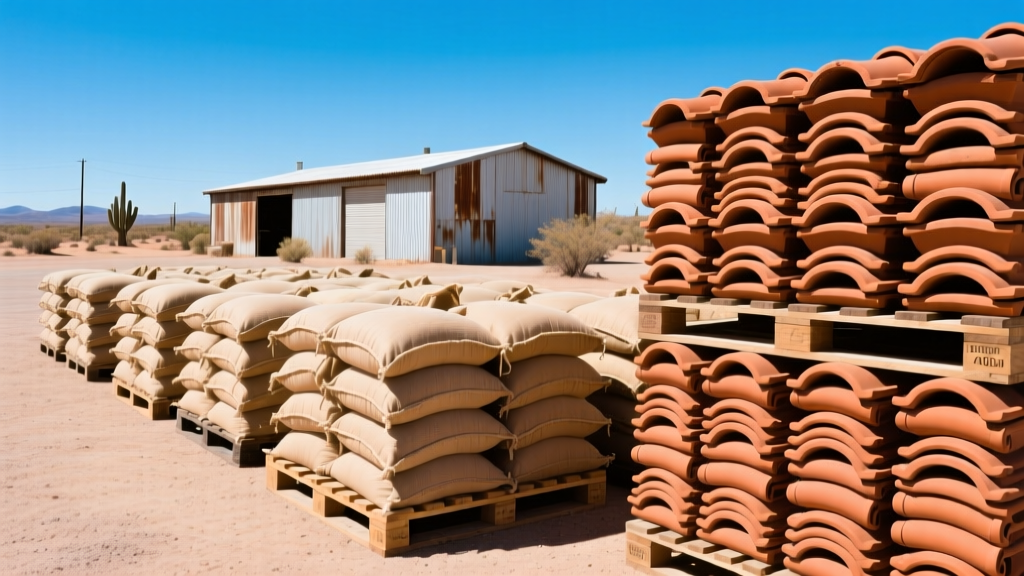
A specialized regional outlet differs significantly from national big-box retailers by stocking high-performance, climate-specific SKUs. Below is a technical breakdown of the primary material categories required for Phoenix residential and commercial builds.
Masonry and Stucco Systems
Stucco remains the dominant exterior cladding in Phoenix due to its thermal mass and fire resistance. Procuring the correct ASTM C926-compliant Portland cement plaster is critical. Regional outlets typically stock specialized three-coat stucco systems, including:
- Base/Scratch Coats: High-yield, fiber-reinforced base coats (e.g., LaHabra 100 Series or Quikrete Concentrated Stucco) designed to resist shrinkage cracking during the rapid drying phase of a Phoenix summer.
- Finish Coats: Acrylic and elastomeric finishes that offer high vapor permeability while reflecting UV radiation. Look for products with a Solar Reflectance Index (SRI) of 50 or higher to comply with local energy codes.
- Lath and Accessories: 2.5 lb galvanized expanded metal lath and weep screeds with a minimum 1-inch clearance to prevent moisture wicking from the desert soil during monsoon flooding.
Desert-Grade Roofing and Waterproofing
Flat roofs and low-slope desert architecture require robust waterproofing. According to the EPA Heat Island Effect guidelines, utilizing cool roof technologies can reduce peak cooling demand by 10-15%. Specialized outlets supply:
- Clay and Concrete Tiles: Brands like Eagle Roofing Products (e.g., Saxony 900) and Boral offer concrete tiles with integral color and high thermal emittance. These tiles require specialized fastening systems to withstand microburst winds exceeding 70 mph.
- Elastomeric Coatings: Silicone and polyurethane roof coatings (e.g., Henry or Karnak) that remain flexible despite extreme daytime heat and nighttime cooling, preventing the alligatoring common with cheaper acrylics.
- High-Temp Underlayments: Synthetic or modified bitumen underlayments rated for continuous exposure up to 240°F, preventing the melting and bleeding associated with standard asphalt felt.
Pricing and Supply Matrix: Outlet vs. Big Box in Maricopa County
Understanding the cost-to-value ratio is essential for accurate 2026 project estimating. The table below compares typical procurement metrics between a specialized supplier like Building Materials Outlet Inc and standard big-box home improvement centers in the Phoenix metro area.
| Material Category | Specialized Outlet (Avg. Cost) | Big Box Retailer (Avg. Cost) | Outlet Lead Time | Min. Order for Delivery |
|---|---|---|---|---|
| Stucco Base Coat (80lb bag) | $16.50 - $19.00 | $21.00 - $24.50 | 24-48 Hours | 2 Pallets (80 bags) |
| Concrete Roof Tile (per sq ft) | $2.85 - $4.20 | $4.50 - $6.00 (Limited SKU) | 1-2 Weeks | 5 Squares (500 sq ft) |
| Elastomeric Roof Coating (5gal) | $185.00 - $220.00 | $210.00 - $260.00 | Same Day / In-Stock | 1 Pail |
| Galvanized Metal Lath (Bundle) | $42.00 - $48.00 | $55.00+ (Often special order) | 24 Hours | 10 Bundles |
Logistics and Heat-Season Procurement Strategies
Sourcing the right materials is only half the battle; managing the physical logistics of those materials during a Phoenix summer (June through September) requires strict adherence to thermal management protocols. The OSHA heat stress guidelines heavily influence how and when materials can be delivered, staged, and applied on-site.
When ambient temperatures exceed 100°F, standard Portland cement mixes will flash-set, leading to weak, crumbly structural bonds. When ordering from your Phoenix supplier, you must specify the inclusion of retarding admixtures or request pre-blended bags formulated for high-temperature application. Furthermore, materials must be staged in shaded areas; applying mortar directly from pallets baking in the sun will raise the mix temperature past the 120°F threshold before water is even added.
Staging and Delivery Scheduling
To mitigate heat-related material degradation and protect crews, procurement managers should implement the following delivery strategies:
- Pre-Dawn Deliveries: Schedule crane drops for heavy materials (like clay roof tiles) between 5:00 AM and 7:00 AM. This ensures materials are on the roof and staged before the midday solar gain makes handling dangerous.
- Shade Structure Mandates: Do not accept delivery of temperature-sensitive adhesives, sealants, or liquid-applied membranes unless a shaded, ventilated staging area is already constructed on-site. Many polyurethane sealants will skin over or degrade if stored in direct 115°F sunlight.
- Hydration for Masonry Units: Concrete masonry units (CMUs) and clay bricks should be delivered a minimum of 24 hours before laying and kept damp. Dry masonry blocks will instantly suck the moisture out of mortar joints in the desert air, destroying the bond strength.
Step-by-Step: Procuring and Scheduling from a Regional Outlet
Establishing a commercial account with a dedicated supplier like Building Materials Outlet Inc Phoenix AZ streamlines the procurement lifecycle. Follow this framework to optimize your supply chain:
Step 1: Precision Material Takeoff
Unlike big-box stores where you can easily run back for an extra bag of thinset, specialized outlets operate on bulk logistics and palletized deliveries. Your takeoff must include a precise 8-12% waste factor for stucco and roofing. Calculate exact linear footage for weep screeds, casing beads, and corner trim to avoid fractional pallet shipments, which often incur exorbitant LTL (Less Than Truckload) freight surcharges.
Step 2: Account Setup and Credit Terms
Regional outlets typically offer Net-30 or Net-60 terms for established commercial entities. Prepare your Arizona Registrar of Contractors (ROC) license number, proof of insurance, and recent trade references. Securing a line of credit allows you to order materials for an entire phase (e.g., the complete dry-in package) without tying up project cash flow.
Step 3: Phased Release Scheduling
Phoenix job sites are notoriously tight, especially in infill neighborhoods like Arcadia or Central Phoenix. Do not order the entire project's materials at once. Work with the outlet's dispatch team to schedule phased releases: structural masonry first, followed by lath and base coat, and finally finish coats and roofing. This prevents site congestion and reduces the risk of material theft or weather damage.
Frequently Asked Questions
Does Building Materials Outlet Inc Phoenix AZ offer crane or boom truck deliveries?
Yes, specialized regional suppliers typically maintain a fleet of boom trucks and Moffett-equipped flatbeds. For roof tile deliveries on two-story residential builds, a crane truck is mandatory. Expect to pay a premium crane surcharge (typically $150-$250 per drop) if the delivery requires lifting materials over 20 feet vertically or navigating tight setback restrictions.
What is the protocol for returning unused, custom-tinted stucco?
Custom-tinted stucco and specialized elastomeric coatings are strictly non-returnable across the building materials industry. Because color matching varies by batch and lot number, outlets cannot restock these items. Always order custom-tinted materials in a single, consolidated batch to ensure color consistency across the entire exterior elevation, and factor a strict 5% overage into your initial purchase.
How do monsoon season weather delays affect material storage warranties?
Manufacturers will void warranties on stucco base coats and roofing underlayments if they are exposed to standing water or direct moisture before application. During the July-September monsoon season, all palletized cementitious products must be elevated on 4x4 dunnage and wrapped in 6-mil poly sheeting. Ensure your supplier delivers materials with intact factory shrink-wrap, and immediately re-tarp any pallets that are opened on-site.
Written by
Priya KapoorPriya Kapoor is a real estate market analyst and construction economics researcher with expertise in housing affordability, development feasibility, and infrastructure investment. She holds a Master of Regional Planning from Cornell University and previously worked as a senior analyst at CBRE's Investment Properties group, where she modeled returns for $4B in mixed-use development pipelines. Priya now runs an independent research practice advising developers, municipalities, and REITs on construction cost forecasting and market timing. She publishes the quarterly "BuildMat Market Pulse" report tracking material price indices across 12 commodity categories. Based in Austin, TX, Priya serves on the board of Habitat for Humanity Austin and is a marathon runner.
More from Priya Kapoor
View all
Construction Cost
Cost to Build a 1600 Sq Ft Home in 2026: Full Breakdown
Accurate 2026 cost to build a 1600 sq ft home—material, labor, and regional pricing breakdowns included. Plan your budget with real-time estimates.
Aug 11, 2026

Wood & Lumber
Name the Types of Wood for Pressure Treatment and Preservation
Learn how to name the types of wood best suited for pressure treatment. Compare species treatability, chemical retention levels, and 2026 preservation costs.
Aug 4, 2026

Stone & Masonry
Stone Veneer Suppliers Lindenhurst: 2026 Cost Analysis
Analyze 2026 stone veneer costs in Lindenhurst, NY. Compare local supplier pricing, delivery fees, and Suffolk County installation labor rates.
Aug 4, 2026