Westside Building Materials Anaheim CA: SoCal Scenario Matching Guide
Match building materials to SoCal scenarios with our guide to sourcing from Westside Building Materials Anaheim CA for heat, seismic, and coastal builds.
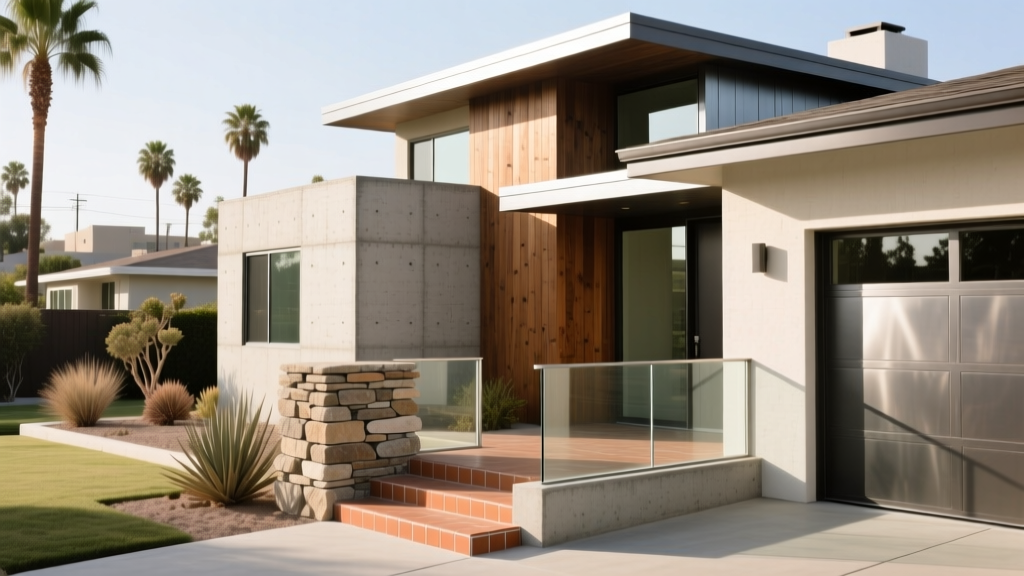
Southern California’s diverse microclimates, strict energy codes, and high seismic activity demand precise material selection. Sourcing from Westside Building Materials Anaheim CA requires a strategic approach to application-fit, ensuring that every product pulled from the yard aligns with the specific environmental and structural demands of the build site. Whether you are framing a custom home in the inland heat of the Inland Empire or installing exterior cladding in the salt-heavy air of Orange County’s coastal zones, generic material selection leads to premature failure, costly callbacks, and code violations.
The Scenario-Matching Framework for SoCal Contractors
Effective material procurement in Southern California hinges on evaluating three primary stressors: thermal load, environmental corrosion, and seismic shear. The 2026 California Building Code (CBC) and Title 24 energy standards have tightened requirements across all three categories. When navigating the inventory at a specialized supplier, contractors must map their project’s specific geographic and structural scenario to the correct material grade and product line.
Under the current California Energy Commission Title 24 standards, steep-slope roofs must meet a minimum Solar Reflectance Index (SRI) of 16, while low-slope roofs require an SRI of 50. Always verify the manufacturer’s SRI data sheet before purchasing roofing bundles for Anaheim or broader SoCal projects to ensure compliance during the plan check phase.
Scenario 1: Inland Empire & Orange County Heat Mitigation
Projects located in inland valleys (e.g., Anaheim Hills, Corona, Riverside) face ambient summer temperatures exceeding 100°F, coupled with intense UV degradation. Traditional vinyl siding and standard asphalt shingles are prone to thermal expansion, warping, and accelerated granule loss in these zones.
- Cladding Solution: Specify fiber cement siding, such as James Hardie HardiePlank Lap Siding. Unlike vinyl, which can soften and warp at 165°F, fiber cement remains dimensionally stable. Ensure installers maintain the manufacturer-mandated 1/8-inch expansion gap at all end joints to prevent buckling during extreme heat waves.
- Roofing Solution: Utilize cool-roof rated architectural shingles or stone-coated metal roofing. Stone-coated steel reflects solar radiation and offers a Class A fire rating, which is critical for builds in the Wildland-Urban Interface (WUI) zones bordering the Cleveland National Forest.
- Insulation: Upgrade from standard R-13 fiberglass batts to R-21 blown-in fiberglass or closed-cell spray foam in exterior walls to reduce HVAC load and meet Title 24 prescriptive requirements.
Scenario 2: Coastal Proximity & Salt-Spray Resistance
Builds within 1,500 feet of the Pacific coastline (e.g., Newport Beach, Huntington Beach, Dana Point) are subject to the CBC’s designated corrosive environments. Salt spray accelerates the oxidation of standard galvanized fasteners and degrades untreated wood composites.
- Decking Solution: Avoid traditional pressure-treated lumber for exposed coastal decks. Specify capped composite decking, such as Trex Transcend or TimberTech AZEK. These products resist salt-induced moisture intrusion and do not require annual sealing. Expect 2026 material pricing to range between $9.50 and $12.50 per linear foot for premium coastal-grade boards.
- Fastener Specification: Standard hot-dipped galvanized (HDG) fasteners will rust in coastal zones. You must upgrade to Type 316 stainless steel fasteners for all structural connections, joist hangers, and decking screws. Type 304 stainless is insufficient for direct salt-spray exposure.
Application-Fit Matrix: What to Pull from the Anaheim Yard
Use the following decision matrix to align your project scenario with the correct material specifications and current market pricing when ordering from Westside Building Materials Anaheim CA.
| Project Scenario | Recommended Material | 2026 Est. Material Cost | Code / Spec Requirement |
|---|---|---|---|
| Inland WUI Fire Zone | Fiber Cement Siding (HardiePlank) | $4.50 - $6.00 / sq. ft. | CBC Chapter 7A (WUI) |
| Coastal Decking | Capped Composite (Trex Transcend) | $9.50 - $12.50 / lin. ft. | Type 316 SS Fasteners |
| Low-Slope Commercial | TPO Single-Ply Membrane (60 mil) | $1.80 - $2.40 / sq. ft. | Title 24 SRI > 50 |
| High-Seismic Shear Wall | 1/2' Structural I Plywood (CDX) | $65.00 - $80.00 / sheet | CBC Chapter 16 / 23 |
Seismic & Structural Considerations for Anaheim Builds
Orange County and the greater Los Angeles basin sit atop complex fault systems, making lateral force-resisting systems a non-negotiable aspect of structural framing. When sourcing framing lumber and structural connectors, application-fit means matching the wood species and hardware to the engineered shear values required by the architect.
For shear walls, specify Douglas Fir-Larch (DF-L) or Southern Yellow Pine (SYP) framing, as these species offer the highest nail-withdrawal and shear capacities required for tight nailing schedules (e.g., 2-inch edge nailing and 12-inch field nailing on plywood shear panels). Pair this with engineered structural connectors. Simpson Strong-Tie remains the industry standard; ensure you are pulling the correct model numbers from the supplier's hardware bins. For example, use the A35 framing anchor for standard truss-to-wall connections, but upgrade to the H2.5A hurricane tie when the engineered plans specify higher uplift resistance for multi-story residential builds.
According to the California Building Standards Commission, all structural hardware must be certified for use in the state, and substituting specified connectors with generic equivalents on the job site is a primary cause of failed structural inspections in Southern California.
Logistics and Pro-Desk Strategies at Westside
Efficient material procurement goes beyond selecting the right product; it requires managing the logistics of the supply chain. Westside Building Materials Anaheim CA serves a massive radius, from coastal enclaves to eastern desert communities. Optimizing your will-call and delivery schedules prevents costly job-site downtime.
- Consolidate Heavy/Bulky Orders: Schedule flatbed deliveries for framing lumber, drywall, and roofing bundles to arrive simultaneously. Delivery fees in 2026 are heavily distance-based; consolidating drops to a single $150-$250 fee is more economical than multiple $95 box-truck runs.
- Utilize Will-Call for Finish Hardware: For small, high-value items like finish nails, specialized trim coils, or specific structural ties, use the Anaheim will-call desk. This prevents these small items from getting lost in large flatbed deliveries and allows your lead carpenter to verify the exact SKUs before leaving the yard.
- Verify Moisture Content on Delivery: When receiving framing lumber on-site, especially during the rainy winter months, use a pin-type moisture meter. Reject any Douglas Fir framing that reads above 19% moisture content, as installing wet lumber will lead to drywall nail pops and truss uplift as the wood acclimates to the interior environment.
Frequently Asked Contractor Questions
Do I need to pre-treat lumber for termite resistance in Orange County?
Yes. The CBC mandates termite protection for wood framing in contact with concrete or masonry. When ordering from the Anaheim yard, specify borate-treated framing lumber (such as Bora-Care treated DF-L) for the bottom plates and any structural posts embedded in concrete. This provides a chemical barrier that meets code without relying solely on physical termite shields.
How do I ensure my exterior trim matches the HardiePlank siding?
Do not use wood trim (like cedar or pine) with fiber cement siding, as the differing expansion rates and maintenance cycles will cause joint failures. Order James Hardie’s HardieTrim HZ10 boards. They are engineered with the same Portland cement, sand, and cellulose fiber matrix as the siding, ensuring uniform thermal movement and identical paint adhesion profiles.
What is the lead time for specialty composite decking colors?
While standard colors like Spiced Rum and Island Mist are typically stocked in the Anaheim yard, specialty or discontinued colorways require factory drop-ship orders. As of 2026, anticipate a 2- to 3-week lead time for non-stock composite SKUs. Always lock in your color selections during the design phase and place the special order before framing begins to prevent decking delays at the end of the build.
Matching the right building materials to your specific Southern California scenario is the most effective way to protect your profit margins and ensure structural longevity. By leveraging the specialized inventory and regional expertise available at Westside Building Materials Anaheim CA, contractors can navigate the complexities of Title 24, coastal corrosion, and seismic codes with precision.