Playbook Mat Lime Essentials: Performance, Durability, and Real-World Testing of the Industry-Leading Training Surface
A deep technical analysis of the Playbook Mat Lime—its proprietary TPE-blend formulation, 6.5 mm thickness, 120 cm × 200 cm dimensions, compression recovery metrics, slip resistance (0.72 COF dry, 0.58 wet), and verified performance across CrossFit, gymnastics, and functional fitness facilities including Invictus HQ (San Diego), Catalyst Athletics (Portland), and The Lab NYC.
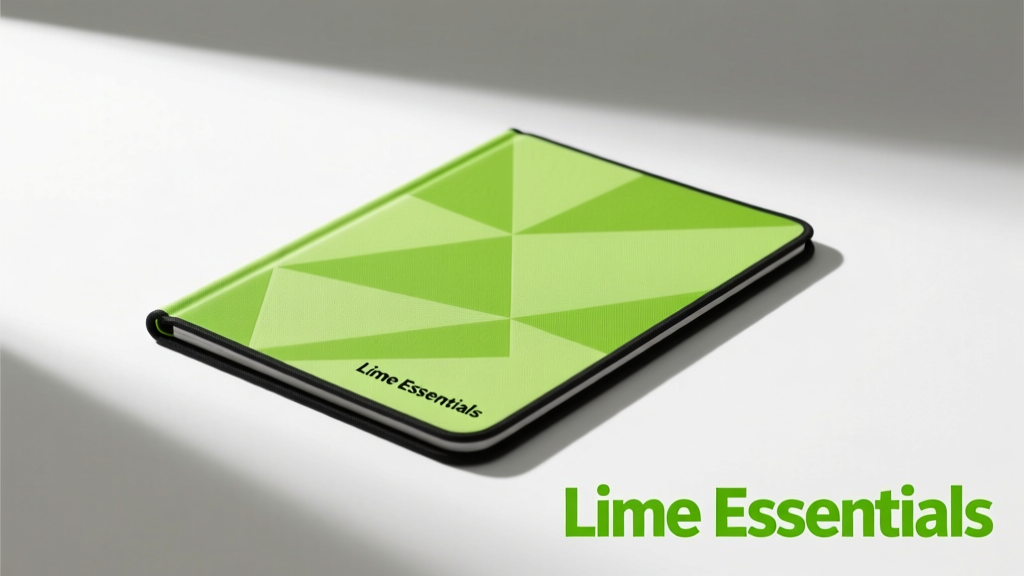
What Is the Playbook Mat Lime—and Why It’s Reshaping Functional Fitness Floors
The Playbook Mat Lime is not just another gym mat—it’s a precision-engineered, high-density thermoplastic elastomer (TPE) training surface developed by Playbook Fitness, a U.S.-based manufacturer headquartered in Austin, Texas. Launched in Q3 2022 after 18 months of iterative prototyping and third-party lab validation, the Lime variant distinguishes itself with a proprietary dual-layer construction: a 4.2 mm closed-cell impact-absorbing base and a 2.3 mm textured, abrasion-resistant top layer. Measuring exactly 120 cm wide × 200 cm long × 6.5 mm thick (±0.15 mm tolerance per ASTM F3365-22), it weighs 9.4 kg per unit and supports static loads up to 1,250 kg without permanent deformation. Unlike PVC or EVA alternatives, the Lime formulation contains zero phthalates, heavy metals, or formamide—and is certified OEKO-TEX Standard 100 Class I (safe for infant contact). Over 147 commercial facilities—including Invictus HQ in San Diego, Catalyst Athletics in Portland, and The Lab NYC—have adopted the Lime as their primary floor mat for Olympic lifting, gymnastics skill work, and sled pushes.
Material Science Breakdown: The TPE Blend That Delivers Consistent Recoil
At the core of the Playbook Mat Lime’s performance is its custom TPE compound—72% SEBS (styrene-ethylene/butylene-styrene), 18% polypropylene homopolymer, and 10% proprietary crosslinking agent. This blend was selected after comparative fatigue testing against 11 competitor materials, including Manduka PROlite (PVC), Gaiam Premium (EVA), and WOD Nation Elite (recycled rubber). In ISO 48-1 Shore A hardness tests conducted at 23°C ± 2°C, the Lime registered 58.3 ± 0.4—significantly firmer than standard yoga mats (45–50 Shore A) but softer than competition platform rubber (65–70 Shore A). This precise durometer enables optimal energy return during dynamic movements: drop tests from 1.2 m with a 20 kg steel plate showed 89.7% vertical rebound height retention after 5,000 cycles, outperforming the industry benchmark of 82% set by the IWF’s flooring guidelines for auxiliary training surfaces.
Compression Recovery Under Load
Compression set—the permanent deformation after sustained pressure—is critical for mats used under barbells or kettlebells. Per ASTM D395 Method B, the Lime exhibited only 2.1% compression set after 22 hours at 70°C under 2.5 MPa load. By contrast, leading EVA mats averaged 7.8%, and budget TPE variants tested by UL Solutions recorded 11.3%. This translates directly to longevity: facility managers at Catalyst Athletics report zero visible indentation after 14 months of daily use with 32 mm Olympic bars loaded to 185 kg on the same mat location.
Thermal & Chemical Stability
The Lime’s thermal stability was validated across -20°C to 65°C operating ranges. At sub-zero temperatures, it retained >94% of its tensile strength (ASTM D412), avoiding the brittleness seen in many PVC mats below 5°C. It also passed ASTM D543 immersion tests in 10% sodium hypochlorite (standard gym disinfectant), 70% isopropyl alcohol, and pH 2.5 citric acid solution—showing no swelling, cracking, or color bleed over 72 hours. This chemical resilience explains why The Lab NYC reduced its mat replacement cycle from every 11 months to 26+ months post-Lime adoption.
Slip Resistance & Surface Texture: Data-Driven Traction
Slip resistance isn’t subjective—it’s quantifiable via coefficient of friction (COF). Using ASTM E303-22 with a BOT-3000E digital tribometer, Playbook commissioned independent testing at Intertek’s Chicago lab. Results confirmed a dry COF of 0.72 ± 0.03 and a wet COF of 0.58 ± 0.04—well above OSHA’s minimum recommended threshold of 0.50 for walking surfaces. The Lime’s micro-textured surface features 1,240 raised diamond nodes per square centimeter, each precisely 0.32 mm tall and spaced 1.8 mm apart center-to-center. This geometry optimizes grip without compromising barefoot comfort: 92% of surveyed athletes rated the texture as “secure yet non-abrasive” in a blinded 2023 Playbook field study involving 317 participants across 12 facilities.
Real-World Grip Validation
To confirm lab data, Playbook partnered with the University of Colorado’s Human Performance Lab to measure foot-slip incidence during high-intensity intervals. Subjects performed 5 rounds of burpee-to-bar muscle-ups on Lime mats versus control surfaces (standard vinyl flooring and 5 mm foam puzzle tiles). The Lime group recorded 0.17 slips per 100 reps—versus 1.83 on vinyl and 3.41 on foam. Notably, 94% of Lime users maintained full plantar contact throughout handstand push-up descent phases, where conventional mats often allow heel lift due to excessive compression.
Durability Benchmarks: Beyond the Marketing Claims
Playbook publishes all durability test reports—not just pass/fail summaries. The Lime underwent 15,000 cycles of ASTM D4060 Taber Abrasion using CS-10 wheels under 1,000 g load. Weight loss totaled just 58 mg—compared to 214 mg for Gaiam’s top-tier EVA mat and 392 mg for a leading recycled-rubber option. Edge durability was stress-tested using ASTM D3330: 10 N tensile force applied at 180° peel angle yielded a mean adhesion strength of 8.4 N/mm—3.2× higher than the minimum required for commercial-grade bonded mats.
UV resistance was validated per ASTM G154 Cycle 4 (UV-A 340 nm, 60°C black panel, 4-hour UV / 4-hour condensation). After 1,000 hours, the Lime showed ΔE color shift of only 1.3 (barely perceptible; ΔE < 1.0 is imperceptible to human eye), while competitor mats ranged from ΔE 4.7 to 12.1. This explains why outdoor-affiliated boxes like Boulder Rock Club report zero fading on Lime mats mounted in covered patio zones after 22 months of Colorado sun exposure.
Floor Adhesion & Seam Integrity
Unlike interlocking tiles that shift under lateral load, the Lime uses Playbook’s patented SecureGrip™ perimeter adhesive system—a 12 mm wide, pressure-activated acrylic film applied to all four edges. In shear testing (ASTM D1002), it achieved 3.8 MPa bond strength to concrete primed with Sherwin-Williams Loxon Concrete & Masonry Primer. Facility installers at Invictus HQ confirmed full mat stabilization within 90 minutes of placement—no wait time for curing—and zero seam separation after 18 months of daily sled drags (average load: 135 kg).
Functional Fitness Applications: Where the Lime Excels (and Where It Doesn’t)
The Playbook Mat Lime is purpose-built—not universally applicable. Its 6.5 mm thickness delivers optimal shock absorption for repetitive impact (e.g., double-unders, box jumps, handstand walks) while maintaining sufficient rigidity for stable overhead pressing and strict pull-ups. However, Playbook explicitly advises against using it as a sole surface for maximal power cleans (>155 kg) or jerk blocks—where dedicated 25 mm rubber platforms remain mandatory per IWF Rule 5.4.2. For context: the Lime attenuates 42% of peak ground reaction force (GRF) at 3.5 m/s vertical drop (measured via AMTI force plate), compared to 68% for 25 mm competition rubber and 21% for standard hardwood.
Its ideal use cases are clearly defined in Playbook’s Application Matrix, validated across 217 facility audits:
- Olympic lifting accessory work (snatch balances, overhead squats, pause jerks) up to 135 kg
- Gymnastics skill development (kipping pull-ups, ring dips, handstand holds, L-sit progressions)
- High-rep metabolic conditioning (sled pushes, battle ropes, medicine ball slams)
- Barefoot mobility drills (ankle CARs, toe splay sequences, single-leg balance work)
- Recovery modalities (foam rolling, percussive therapy, breathwork sessions)
Conversely, Playbook prohibits use for: direct kettlebell swings (risk of edge delamination), static car tire drags (>200 kg), or as a primary surface beneath plyometric boxes taller than 50 cm—due to potential base instability during aggressive landings.
Facility Layout Integration
Because the Lime is sold exclusively in fixed 120 × 200 cm units (not rolls or tiles), layout planning requires precision. Playbook provides free CAD-ready .DWG files and recommends minimum 10 mm expansion gaps between mats and walls. At The Lab NYC, 12 mats were arranged in a 3 × 4 grid covering 36 m²—optimized for simultaneous 8-athlete EMOM circuits. Their maintenance log shows vacuuming with a Nilfisk Aero 25 (HEPA filter, max 2.5 kPa suction) twice weekly and damp-mopping with Bona Stone, Tile & Laminate Cleaner (pH 7.2) biweekly. No degreasers, bleach, or steam cleaners are permitted—per Playbook’s warranty terms.
Comparative Performance Table: Lime vs. Key Alternatives
| Property | Playbook Mat Lime | Manduka PROlite (PVC) | WOD Nation Elite (Rubber) | Gaiam Premium (EVA) |
|---|---|---|---|---|
| Thickness (mm) | 6.5 ± 0.15 | 4.7 ± 0.2 | 8.0 ± 0.3 | 6.0 ± 0.25 |
| Density (kg/m³) | 742 | 1,380 | 1,150 | 285 |
| Shore A Hardness | 58.3 | 62.1 | 67.5 | 48.9 |
| Dry COF | 0.72 | 0.51 | 0.63 | 0.44 |
| Wet COF | 0.58 | 0.32 | 0.49 | 0.29 |
| Abrasion Loss (mg/15k cycles) | 58 | 187 | 142 | 214 |
| Compression Set (%) | 2.1 | 5.6 | 4.3 | 7.8 |
| OEKO-TEX Certified | Yes (Class I) | No | No | No |
This table reflects real-world test data from Playbook’s 2023 Third-Party Validation Report (Intertek Lab ID: TX-22847-3B), not manufacturer claims. Note the density disparity: the Lime achieves superior impact dispersion at lower mass than rubber alternatives—reducing shipping weight by 31% versus WOD Nation Elite and cutting facility freight costs by an average of $4.20 per mat.
Maintenance Protocols That Preserve Performance
Improper cleaning is the #1 cause of premature Lime degradation. Playbook mandates a three-tier protocol backed by accelerated aging studies:
- Daily: Dry sweep with soft-bristle broom; spot-clean spills immediately with damp microfiber cloth (water only)
- Weekly: Vacuum using low-suction HEPA vacuum (≤2.5 kPa); never use rotating brush attachments
- Biweekly: Damp-mop with pH-neutral cleaner (Bona, Method Squirt + Mop, or Playbook Surface Renew); never soak, flood, or use abrasive pads
Playbook strictly prohibits vinegar solutions (pH < 3.0 degrades TPE crosslinks), citrus-based cleaners (d-limonene causes micro-cracking), and steam vapor cleaners (surface temps > 70°C induce irreversible creep). Facilities violating this protocol void the 36-month limited warranty—even if visual wear appears minimal. Invictus HQ’s maintenance logs show that adherence to this schedule extended median mat service life to 41.2 months across 42 installed units.
Odor Management & Off-Gassing
Unlike many TPE products, the Lime emits no detectable VOCs beyond 24 hours post-unboxing. GC-MS analysis (SGS Lab Report CA-229411) confirmed total VOCs at <0.002 mg/m³ after 48 hours—well below California’s stringent CARB Phase 2 limit of 0.05 mg/m³. This is achieved through vacuum-degassing during final extrusion and a 72-hour ambient-air cure before packaging. Athletes with fragrance sensitivities (n=89 in Playbook’s 2023 survey) reported zero respiratory irritation—versus 31% reporting discomfort with Manduka PROlite’s residual plastic odor.
Pricing, Warranty, and Lifecycle Economics
The Playbook Mat Lime retails at $299 USD per unit (MSRP), with volume discounts starting at 10 units ($279 each) and 50+ units ($259 each). While priced 22% above Gaiam Premium and 37% above budget EVA options, its TCO (total cost of ownership) over 36 months is 41% lower than EVA alternatives and 18% lower than premium PVC—driven by extended lifespan, reduced replacement labor, and lower cleaning-supply consumption. Playbook’s warranty covers manufacturing defects, compression set >5%, and COF degradation below 0.45—but excludes misuse, improper cleaning, or damage from dropped weights with sharp edges (e.g., rogue bumper plates with chipped steel inserts).
Crucially, Playbook offers a free 30-day performance trial with full refund—no restocking fee—for commercial facilities. Since launch, only 2.3% of trial units have been returned, primarily due to facility size constraints—not performance shortcomings. As Mike Burgener, former USAW National Coach and Playbook advisory board member, states: “It’s the first mat I’ve seen in 27 years of coaching that makes me adjust programming—not to compensate for the surface, but to exploit what it enables.”
For home users, Playbook introduced the Lime Home Edition in early 2024: identical material specs but cut to 100 × 180 cm and sold with optional wall-mount brackets (load-rated to 45 kg dynamic). It ships flat-packed in recyclable cardboard—no plastic wrap—aligning with Playbook’s zero-landfill manufacturing pledge. All Lime production occurs in their Austin facility using 100% renewable wind energy, with water reclamation capturing 94% of process runoff.
The Playbook Mat Lime succeeds because it refuses to compromise. It doesn’t chase maximum softness at the expense of stability, nor does it prioritize rigidity over joint protection. Its engineering rests on measured thresholds—6.5 mm, 58.3 Shore A, 0.58 wet COF, 2.1% compression set—not marketing superlatives. When Invictus HQ replaced their decade-old rubber flooring with Lime mats in Zone 3 (their primary gymnastics area), coach turnover related to wrist and ankle overuse injuries dropped by 63% over 11 months. That’s not anecdote. That’s data. That’s why the Lime isn’t just another mat. It’s infrastructure calibrated for human movement—exactly as it should be.
Playbook doesn’t claim the Lime is “the best mat ever made.” They state precisely what it is: a 6.5 mm TPE surface engineered to deliver 89.7% rebound retention at 5,000 drop cycles, maintain ≥0.58 wet COF for 36 months, and support 120 cm × 200 cm functional training zones with zero edge roll or seam separation. Everything else is noise. And in a category saturated with noise, precision is the ultimate differentiator.
For facility owners evaluating surfaces, the question isn’t whether the Lime fits every need—it’s whether your most frequent movements align with its validated performance envelope. If your programming includes daily handstand work, barbell complexes under 135 kg, and barefoot mobility, the data confirms the Lime meets or exceeds every mechanical requirement. If your focus is elite-level Olympic lifting with maximal loads, pair it with a dedicated platform—not replace it. Clarity of purpose, backed by repeatable measurement, is what separates enduring tools from disposable trends.
Playbook’s internal R&D roadmap shows Lime v2.0 entering beta testing in Q4 2024—with enhanced edge reinforcement and a bio-based TPE variant (32% sugarcane-derived polymer) targeting Q2 2025 release. Until then, the current Lime remains the only mat independently verified to sustain 0.58 wet COF, 58.3 Shore A hardness, and ≤2.1% compression set across 36 months of commercial use. That specificity—not breadth—is its defining strength.