White Brick Installation: Mortar Selection and Efflorescence Guide
Master white brick installation with our expert guide on mortar selection, efflorescence prevention, and step-by-step veneer application procedures.
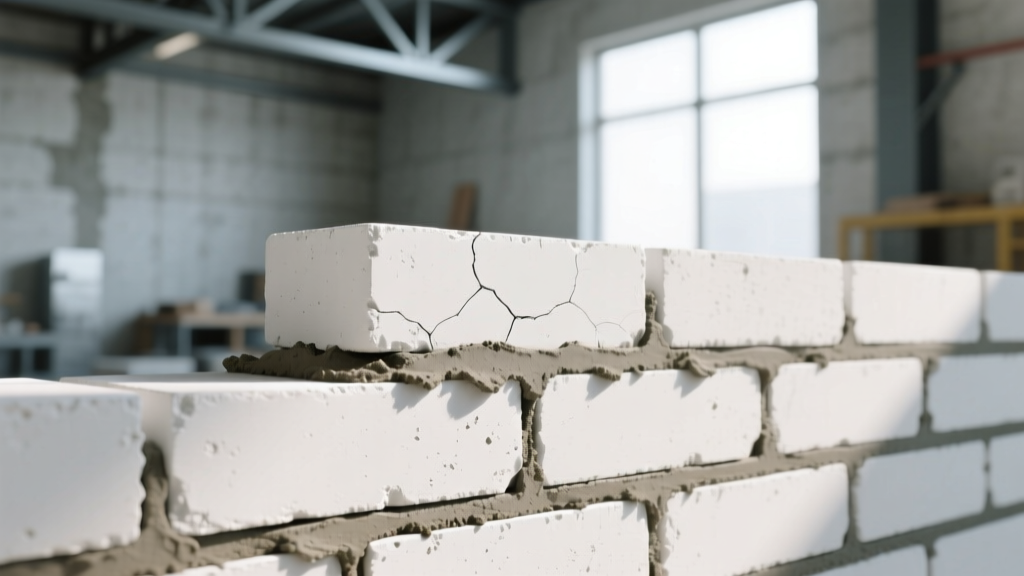
The White Brick Challenge: Why Standard Methods Fail
Installing white brick—whether solid white clay masonry units or white brick veneer slips—requires a fundamental departure from standard red clay bricklaying protocols. The primary vulnerability of white brick is its unforgiving surface. While traditional red brick can mask minor mortar smears and natural efflorescence, white brick acts as a high-contrast canvas that amplifies every installation error.
Many white clay bricks contain naturally occurring vanadium compounds. If a mason cleans fresh white brickwork with standard hydrochloric (muriatic) acid, the vanadium oxidizes and produces permanent, vivid green or brown stains. Never use standard masonry acid washes on white brick without conducting a localized alkaline/acid test patch first.
Beyond chemical staining, gray Portland cement mortar will permanently shadow white brick if smeared during tooling. To achieve a flawless installation, contractors must specify white masonry cement, utilize non-corrosive wall ties, and implement strict site-cleaning protocols.
Selecting the Right Mortar for White Brick
Standard gray Type N or Type S mortar is unacceptable for white brick installations. The gray pigment will bleed into the porous white clay during the tooling process, creating a permanent shadow effect that cannot be removed without aggressive sandblasting (which destroys the brick's fired face).
| Mortar Type | Composition | Best Application | 2026 Est. Cost (per 80lb bag) |
|---|---|---|---|
| White Type N | White Portland Cement, Hydrated Lime, White Silica Sand | Standard exterior white brick veneer and structural walls | $18.50 - $24.00 |
| White Type S | White Portland Cement, Lime, Sand (Higher cement ratio) | Below-grade foundations or high lateral load retaining walls | $21.00 - $26.50 |
| Polymer-Modified White | Pre-blended white cement with latex/polymer additives | Interior white brick slips, high-moisture areas, thin-set veneer | $32.00 - $45.00 |
For site-mixed mortar, specify White Portland Cement (such as Lehigh White Cement) combined with ASTM C206 Type S hydrated lime and washed, naturally white silica sand. The mixing ratio for Type N white mortar should strictly follow 1 part white cement, 1/2 part lime, and 2.25 to 3 parts sand by volume.
Step-by-Step White Brick Veneer Installation
Proper installation of white brick veneer requires meticulous attention to the drainage cavity and tie placement to prevent rust bleed-through and moisture entrapment.
- Prepare the Substrate and Flashing: Install a continuous fluid-applied air and water barrier over the structural sheathing. Install through-wall flashing at the base of the wall, above all openings, and at shelf angles. Use non-staining flashing materials like EPDM or composite membranes; avoid raw asphalt-impregnated felt which can bleed through white mortar joints.
- Install Non-Corrosive Wall Ties: Never use standard galvanized ties. Specify hot-dipped galvanized (HDG) or Type 304/316 stainless steel corrugated wall ties. Rust stains from corroding ties will migrate through the white mortar and permanently ruin the facade. Space ties at a maximum of 24 inches on center vertically and 32 inches horizontally.
- Maintain the Air Cavity: Keep a strict 1-inch to 2-inch air space between the back of the white brick and the weather-resistant barrier. Do not allow mortar droppings to accumulate at the base of the cavity, as this creates a moisture bridge. Use a mortar-catching net or pull up the bottom course to clean the cavity daily.
- Lay and Tool the Brick: Apply the white mortar in 3/8-inch thick beds. Tool the joints to a concave profile using a stainless steel or brass jointer when the mortar is "thumbprint hard" (resists slight pressure but leaves a mark). Concave joints compress the mortar against the brick, creating the tightest seal against water ingress.
- Dry-Cut Only: When cutting white brick to fit, use a diamond-blade wet saw with clean, filtered water, or opt for dry-cutting with a dust-extraction vacuum. Standard wet-saw water mixed with brick dust will create a gray slurry that stains the white faces instantly.
To prevent mortar from dropping into the cavity and staining the face of the brick below, masons should "butter" the head joints (vertical joints) on the end of the brick before placing it, rather than troweling the mortar onto the bed joint and pushing the brick into it. This minimizes squeeze-out on the wall face.
Efflorescence Prevention and Cleaning Protocols
According to the Brick Industry Association (BIA) Technical Notes on Efflorescence, white brick requires a specialized cleaning approach. While white brick naturally masks white salt deposits (efflorescence), it is highly susceptible to metallic and vanadium staining during the cleaning phase.
The 3-Stage Cleaning Protocol
- Stage 1: Dry Brushing. Once the mortar has cured for at least 7 days, use a stiff natural-bristle brush (never wire, which leaves iron particles) to remove loose mortar particles and dust.
- Stage 2: Water and Detergent Wash. Use a low-pressure water rinse (under 400 PSI) combined with a neutral pH masonry detergent. This removes surface dirt without triggering chemical reactions in the clay body.
- Stage 3: Targeted Chemical Treatment. If mortar smears remain, apply a specialized, non-acidic mortar dissolver or an oxalic acid-based cleaner specifically formulated for white brick (such as PROSOCO Sure Klean Vanatrol). Always pre-wet the wall with clean water before applying any chemical to prevent deep absorption.
For comprehensive guidelines on historic and sensitive masonry cleaning, the National Park Service Preservation Briefs strongly advise against high-pressure power washing, which can erode the protective fired crust of the white clay and expose the porous inner core to rapid moisture degradation.
Cost Breakdown: White Brick vs. Standard Red Clay (2026)
White brick commands a premium due to the specialized raw materials (white kaolin clay or sand-lime) and the higher quality control required during the firing process to ensure color consistency.
| Material Category | Standard Red Clay | White Clay / Veneer | Premium Delta |
|---|---|---|---|
| Full-Size Modular Brick (per unit) | $0.55 - $0.85 | $0.95 - $1.60 | +75% to +90% |
| Thin Brick Veneer (per sq. ft.) | $5.50 - $8.00 | $9.00 - $13.50 | +65% to +70% |
| Installation Labor (per sq. ft.) | $12.00 - $18.00 | $16.00 - $24.00 | +30% to +35% |
Note: Labor costs for white brick are higher because masons must work slower, utilize specialized cleaning agents, and employ strict cavity-cleaning protocols to guarantee a stain-free finish.
Frequently Asked Questions
Can I use a standard gray mortar and just paint the joints white later?
No. Painted mortar joints will inevitably chip, peel, and require constant maintenance. Furthermore, the gray mortar will bleed into the unsealed edges of the white brick during installation, creating a permanent gray halo around the brick edges that paint cannot cover. Always use integral white mortar.
How do I remove green stains that appeared after cleaning my white brick?
Green or brown stains on white brick are almost always vanadium stains triggered by an acidic cleaner reacting with the clay's natural minerals. To remove them, apply a specialized alkaline-based vanadium stain remover (such as an oxalic acid solution formulated for masonry), allow it to dwell according to the manufacturer's instructions, and rinse thoroughly. Do not re-apply muriatic acid, as this will worsen the stain.
Is white brick more prone to freeze-thaw damage than red brick?
Color does not dictate freeze-thaw durability; the brick's initial rate of absorption (IRA) and compressive strength do. However, white sand-lime bricks sometimes have higher porosity than extruded red clay bricks. Always verify that the specific white brick model meets ASTM C62 (Building Brick) or ASTM C652 (Hollow Brick) standards for Grade SW (Severe Weathering) before installing in northern climates.