Marble Wallpaper Lifespan: Durability of Vinyl, PVC, and Flexible Stone
Analyze the true lifespan of marble wallpaper. Compare durability, failure modes, and ROI for vinyl, PVC faux-marble, and flexible stone veneers.
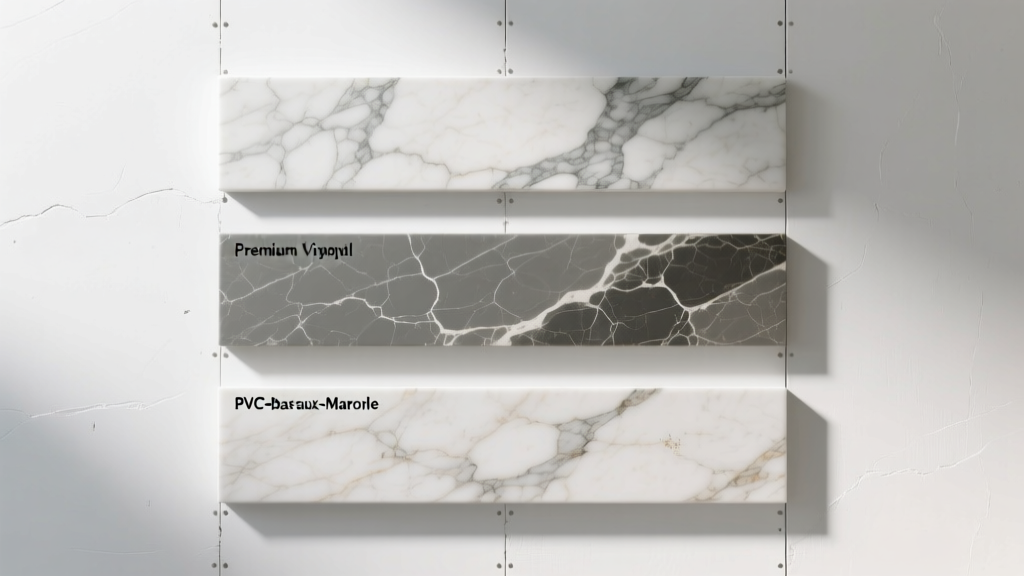
Decoding 'Marble Wallpaper': Three Distinct Material Classes
In the 2026 architectural and interior design market, the term 'marble wallpaper' is frequently used as a catch-all phrase, leading to severe miscalculations in project lifespans and durability expectations. True marble cannot be manufactured into a flexible roll. When contractors and homeowners refer to marble wallpaper, they are actually specifying one of three fundamentally different material classes, each with unique degradation timelines and structural limits.
1. Printed Vinyl with Non-Woven Backing
This is traditional wallpaper featuring a high-resolution marble print protected by a clear PVC or acrylic wear layer. It is typically 0.5mm to 0.8mm thick. While it offers the most authentic 'wallpaper' installation experience (using standard methylcellulose pastes), its structural integrity is entirely dependent on the plasticizers within the vinyl layer and the adhesion of the non-woven paper backing.
2. Faux-Marble PVC Panels (UV Coated)
Often marketed as 'peel-and-stick marble wallpaper' or 'PVC marble sheets,' these are rigid or semi-rigid extruded polyvinyl chloride panels, usually 3mm to 5mm thick. The marble effect is achieved via a heat-transferred film capped with a UV-cured resin layer. They are significantly heavier than traditional wallpaper and require construction adhesives rather than wallpaper paste.
3. Flexible Real-Stone Veneer
This is the premium tier. Flexible stone veneer consists of a 1mm to 2mm layer of actual quarried stone (often slate or marble dust composites) bonded to a fiberglass or polymer mesh backing using specialized resins. It offers the tactile authenticity and thermal mass of real stone while remaining flexible enough to roll. According to material testing guidelines referenced by ASTM International building standards, the longevity of these composite veneers is dictated by the chemical stability of the resin binder rather than the stone itself.
Lifespan Expectancy & Degradation Matrix
Understanding the baseline lifespan of your chosen 'marble wallpaper' is critical for calculating long-term project ROI. The following matrix outlines the expected indoor service life under standard climate-controlled conditions (68°F–74°F, 40%–50% relative humidity).
| Material Class | Thickness | Expected Indoor Lifespan | Primary Failure Mode | UV & Heat Resistance |
|---|---|---|---|---|
| Printed Vinyl | 0.5 - 0.8mm | 7 - 12 Years | Edge curling, plasticizer migration (brittleness) | Poor (Yellows under direct UV) |
| Faux-Marble PVC | 3.0 - 5.0mm | 12 - 18 Years | Delamination of UV print layer, thermal warping | Moderate (Resists UV, warps >140°F) |
| Flexible Stone Veneer | 1.0 - 2.0mm | 20 - 30+ Years | Resin binder degradation, micro-fissures from impact | High (Stone face is impervious to UV) |
Environmental Stressors and Failure Mechanics
To maximize the lifespan of marble wallpaper, you must engineer the installation environment to mitigate its specific chemical and physical vulnerabilities.
Plasticizer Migration in Vinyl
Printed vinyl marble wallpaper relies on phthalate-free plasticizers to maintain flexibility. Over a 7-to-12-year period, these plasticizers slowly migrate to the surface and evaporate—a process known as 'outgassing.' As the plasticizers leave, the vinyl shrinks microscopically, leading to tension at the seams. This is why vinyl wallpaper almost always fails at the edges first, peeling away from the substrate. Applying a high-quality wallpaper seam sealer (such as a PVA-based adhesive) during installation can delay this failure mode by 3 to 5 years.
Thermal Expansion in PVC Panels
Faux-marble PVC sheets have a high coefficient of thermal expansion. If installed in a room with significant temperature fluctuations, or placed too close to a heat source like a fireplace surround or a radiator, the panels will expand and contract. Because PVC panels are usually installed with rigid polyurethane adhesives, the panel cannot slide against the wall. This trapped kinetic energy results in 'oil-canning' (visible rippling in the center of the panel) or catastrophic delamination of the printed marble film from the PVC core.
Never install standard printed vinyl marble wallpaper in full-wet zones (shower enclosures). While the vinyl face is waterproof, the non-woven backing will wick moisture through microscopic tears or unsealed seams, leading to black mold proliferation behind the paper within 18 to 24 months. For wet areas, only use fully sealed flexible stone veneer or PVC panels with 100% silicone sealed seams.
Substrate Preparation and Adhesive Chemistry
The most common cause of premature failure in faux-marble PVC and flexible stone veneers is not the material itself, but adhesive incompatibility with the substrate. Architectural specifications detailed in publications like Architectural Record's materials guidelines emphasize that heavy wall coverings require mechanical or high-tack chemical bonds that standard pastes cannot provide.
Matching Adhesive to Material
- Printed Vinyl: Use a heavy-duty clear strippable paste (methylcellulose blend). Do not use construction adhesives, as they will bleed through the thin vinyl and create permanent dark spots.
- PVC Faux-Marble Panels: Use a high-grab MS Polymer construction adhesive (e.g., SikaBond or Loctite Power Grab). MS Polymers remain slightly flexible after curing, allowing the PVC to undergo thermal expansion without breaking the adhesive bond. Avoid cyanoacrylates (super glues) or rigid epoxies.
- Flexible Stone Veneer: Use a two-part epoxy or a premium polyurethane (PU) construction adhesive. The adhesive must be capable of supporting 1.5 to 2.5 lbs per square foot immediately upon application to prevent 'slumping' while the bond cures.
The Alkaline Efflorescence Threat
When installing flexible real-stone veneer directly over unsealed concrete, cinderblock, or fresh plaster, the alkaline salts (efflorescence) migrating out of the masonry will chemically attack the polymer resin binder on the back of the stone veneer. This alkaline hydrolysis breaks down the resin, causing the stone face to separate from the fiberglass mesh backing. Always seal masonry substrates with an acrylic or silane-based masonry sealer and allow a minimum 72-hour cure time before applying adhesive.
Chemical Sensitivities and Maintenance Protocols
The cleaning regimen you employ will drastically alter the functional lifespan of marble wallpaper. The protective topcoats on these materials have strict pH tolerances.
For Printed Vinyl and PVC Panels: The UV-cured or acrylic topcoats are highly susceptible to alkaline and abrasive cleaners. Using ammonia-based glass cleaners or degreasers will strip the protective wear layer within 12 to 18 months of regular use, leaving the printed marble layer exposed to scratching and fading. Clean only with pH-neutral cleaners (pH 6.5 to 7.5) and microfiber cloths.
For Flexible Stone Veneer: Because the face is actual stone, it is porous unless sealed. In high-traffic commercial lobbies or residential kitchens, the stone must be treated with a penetrating siloxane sealer every 3 to 5 years. Avoid acidic cleaners (like vinegar or tile grout cleaners), as they will etch the calcium carbonate present in marble-based flexible veneers, permanently dulling the surface and creating micro-pits where dirt accumulates.
Cost-to-Lifespan ROI Breakdown
When evaluating marble wallpaper for a 2026 renovation or new build, analyzing the initial cost against the expected lifespan reveals the true value proposition of each material class.
| Material Class | Avg. Material Cost (per sq. ft.) | Avg. Installed Cost (per sq. ft.) | Estimated Lifespan | Annualized Cost (per sq. ft.) |
|---|---|---|---|---|
| Printed Vinyl | $1.50 - $4.00 | $3.50 - $7.00 | 10 Years | $0.35 - $0.70 / yr |
| Faux-Marble PVC | $4.00 - $9.00 | $8.00 - $15.00 | 15 Years | $0.53 - $1.00 / yr |
| Flexible Stone Veneer | $12.00 - $25.00 | $18.00 - $35.00 | 25 Years | $0.72 - $1.40 / yr |
While flexible stone veneer requires the highest upfront capital, its annualized cost is remarkably competitive when factoring in the labor costs of removing and replacing degraded vinyl or warped PVC panels after a decade. For permanent architectural features (e.g., elevator cabs, commercial feature walls), flexible stone is the undisputed ROI leader. For temporary retail build-outs or rental property flips, printed vinyl remains the most financially logical choice.
Frequently Asked Questions
Can I install PVC marble wallpaper behind a wood-burning stove?
No. PVC panels begin to soften and warp at temperatures exceeding 140°F (60°C). The radiant heat from a wood stove will cause the panels to bow, and the heat-transferred marble film will blister. For high-heat zones, you must use non-combustible materials like ceramic tile, natural stone slabs, or cementitious backer boards finished with high-heat mineral paints.
Does flexible stone veneer require special tools to cut?
Unlike 2cm thick natural marble slabs that require wet saws with diamond blades, 1.5mm flexible stone veneer can be cut using heavy-duty tin snips, a utility knife with a fresh carbide blade (scoring and snapping), or a standard jigsaw with a fine-tooth metal-cutting blade. This drastically reduces installation time and silica dust generation on the job site.
Will the seams be visible on faux-marble PVC panels?
Yes, unless specifically mitigated. PVC panels are typically manufactured in 4x8 foot sheets. When placed edge-to-edge, a hairline seam is visible. To achieve a seamless monolithic marble look, installers must use color-matched MS Polymer sealants in the joints, or route a shallow V-groove into the seam and fill it with tinted epoxy, mimicking the natural veining of the marble pattern.