How to Clean and Maintain Cheap 6x8 Wood Fence Panels
Learn the exact maintenance playbook to clean, seal, and extend the lifespan of cheap 6x8 wood fence panels with specific PSI limits and stain types.
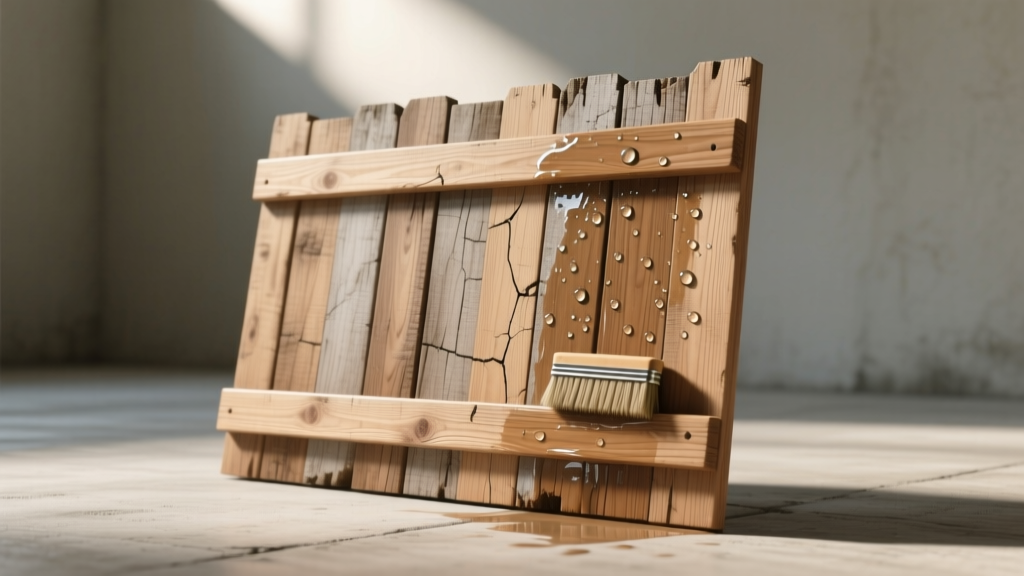
The Reality of Budget 6x8 Wood Panels
When homeowners purchase 'cheap' pre-assembled 6x8 wood fence panels from big-box retailers, they are typically buying one of two materials: 5/8-inch thick Spruce-Pine-Fir (SPF) whitewood or incised pressure-treated Southern Yellow Pine. Unlike premium 3/4-inch dog-eared cedar, these budget panels are milled thinner, kiln-dried rapidly (or sold wet, in the case of pressure-treated wood), and are highly susceptible to cupping, splintering, and UV degradation. However, the initial cost savings—often $45 to $65 per panel compared to $110+ for premium cedar—can be justified if you implement a rigorous, scientifically sound maintenance playbook. This guide details the exact chemical ratios, pressure limits, and structural interventions required to make budget 6x8 panels last 12 to 15 years, matching the lifespan of premium alternatives.
Identifying Your Panel Material and Moisture State
Before applying any cleaner or sealer, you must accurately identify the wood species and its current moisture content. Applying a water-repellent sealer to wet pressure-treated pine is the most common cause of premature finish failure.
- SPF Whitewood (Spruce/Pine/Fir): Usually sold dry (kiln-dried after treatment or untreated). It has a tight grain but lacks natural rot resistance. Requires immediate sealing upon installation.
- Pressure-Treated (PT) Pine: Sold wet from the treatment plant. It contains copper-based preservatives (like ACQ or Copper Azole) that resist rot but require weeks to dry out.
The Chemical Cleaning Playbook
Cheap SPF and PT pine panels are prone to tannin bleed, black mildew, and gray UV oxidation. The instinct is to use chlorine bleach or high-pressure washing, both of which will destroy the structural integrity of thin 5/8-inch pickets.
Why You Must Avoid Chlorine Bleach
Sodium hypochlorite (chlorine bleach) breaks down the lignin—the natural glue that holds wood fibers together. On thin budget panels, lignin destruction causes severe surface fuzzing and accelerates splintering. Furthermore, bleach does not kill mildew roots deep in the porous pine; it only bleaches the surface, leading to rapid regrowth.
The Sodium Percarbonate Protocol
Instead, use powdered oxygen bleach (sodium percarbonate). When mixed with water, it releases hydrogen peroxide and sodium carbonate, which lift dirt and kill fungal spores without damaging the wood cellulose.
- Mix the Solution: Combine 1 cup of powdered oxygen bleach (such as OxiClean or a dedicated wood brightener like BioWash) per 1 gallon of warm (100°F) water.
- Pre-Wet Surroundings: Saturate adjacent grass and plants with plain water to prevent alkaline damage from the sodium carbonate.
- Apply: Use a 2-gallon pump sprayer (e.g., Chapin 1949) to apply the solution generously from the bottom up to prevent streaking.
- Dwell Time: Allow the solution to dwell for 15 to 20 minutes. Do not let it dry on the wood; mist it with a garden hose if necessary.
- Agitate: Scrub heavily oxidized or mildewed areas with a stiff-bristled nylon brush (never wire, which leaves rust-inducing metal fragments).
Pressure Washing: The 1200 PSI Hard Limit
If you must use a pressure washer to rinse the panels, you must strictly limit the pressure. Standard residential pressure washers output 2000 to 3000 PSI, which will instantly gouge 5/8-inch budget pickets and expose the untreated inner wood.
Configure your pressure washer to a maximum of 1200 PSI. Use a 15-degree (yellow) or 25-degree (green) nozzle tip, and maintain a strict 12-inch distance from the wood surface. Always spray parallel to the wood grain, never across it.
Sealing Strategies for Thin Pickets
Budget panels warp and twist more than premium lumber. Therefore, you must avoid film-forming finishes (like solid acrylic stains or polyurethanes). As the thin pickets flex and expand, film-forming finishes will crack, peel, and trap moisture inside the wood, accelerating rot. According to the Southern Pine Council, penetrating finishes are mandatory for dimensional stability in treated woods.
Recommended Penetrating Sealers
- Oil-Based Semi-Transparent Stains: Products like TWP 100 Series or Ready Seal penetrate deeply into the pine's cellular structure, lubricating the fibers to reduce cupping and warping. They fade gradually rather than peeling, making reapplication as simple as cleaning and recoating without sanding.
- Application Rate: Budget pine is highly porous. Expect to use 1 gallon of penetrating sealer per 150 to 175 square feet (roughly two 6x8 panels), significantly more than the 250 square feet advertised on the can.
5-Year Maintenance and Cost Matrix
Maintaining cheap panels requires a strict schedule. Skipping a cycle will result in irreversible UV damage and fungal rot that necessitates full panel replacement.
| Year | Action Required | Materials Needed | Estimated Cost (per 50ft of fence) |
|---|---|---|---|
| Year 1 | Moisture testing, initial sealing | Penetrating oil stain, pump sprayer | $85 - $110 |
| Year 2 | Visual inspection, mildew spot treatment | Oxygen bleach, nylon brush | $15 - $20 |
| Year 3 | Full wash and recoat | Oxygen bleach, penetrating stain | $100 - $130 |
| Year 4 | Hardware inspection, nail pop repair | Galvanized ring-shank nails | $10 - $15 |
| Year 5 | Full wash and recoat | Oxygen bleach, penetrating stain | $100 - $130 |
Troubleshooting Inevitable Budget Panel Failures
Even with perfect chemical maintenance, cheap 6x8 panels suffer from mechanical and structural issues due to their thin milling and lower-grade fasteners.
Issue 1: Picket Cupping and Warping
Cause: 5/8-inch pickets lack the mass to resist differential moisture absorption. The sun-baked side dries and shrinks faster than the shaded side, causing the picket to curl.
Fix: Install a horizontal 1x4 or 2x4 'stiffener' rail across the middle of the panel (at the 4-foot mark). Secure it using 2.5-inch exterior-grade structural screws (like Simpson Strong-Tie SDWS). This physically forces the cupped pickets back into a flat plane and prevents future warping.
Issue 2: Black Spot Mold (Aureobasidium pullulans)
Cause: This specific fungus feeds on the sugars and resins in cheap pine, manifesting as deep black dots that surface cleaners cannot reach.
Fix: Standard oxygen bleach will not kill deep-seated Aureobasidium. You must apply a dedicated wood fungicide containing copper naphthenate (such as Copper-Green) directly to the spots using a sponge. Allow it to penetrate for 24 hours before applying your semi-transparent oil stain, which will mask the remaining discoloration.
Issue 3: Fastener Corrosion and Nail Pops
Cause: Budget panels are often assembled at the factory with electro-galvanized staples or cheap bright nails. When exposed to weather (or the copper in pressure-treated wood), these fasteners rust, expand, and pop out, leaving black iron-oxide streaks down the pickets.
Fix: Remove rusted fasteners and replace them with 2.5-inch hot-dipped galvanized ring-shank nails or polymer-coated deck screws. To remove existing black rust streaks, apply a commercial wood brightener containing oxalic acid, which chemically dissolves iron tannate stains.
Frequently Asked Questions
Can I paint cheap 6x8 wood fence panels instead of staining them?
Painting budget pine or SPF panels is highly discouraged. Paint forms a rigid, impermeable film. Because cheap panels warp and check (crack) frequently, the paint film will inevitably crack, trapping water inside the wood and causing catastrophic rot from the inside out. Always use a penetrating oil-based stain.
How do I remove green algae from the shaded side of the fence?
Green algae thrives on the shaded, damp side of the fence. While oxygen bleach works for mildew, heavy algae requires a dedicated algaecide or a diluted solution of white vinegar and water (1:1 ratio) applied via pump sprayer. Scrub with a stiff brush and rinse thoroughly. Ensure you improve airflow by trimming back encroaching shrubs to a minimum distance of 18 inches from the fence line.
Is it worth maintaining cheap panels, or should I just replace them with vinyl?
Over a 15-year period, maintaining a 50-foot run of cheap wood panels (initial cost ~$350 + $400 in maintenance supplies) totals roughly $750. Replacing it with mid-grade vinyl fencing costs $1,500 to $2,500 upfront. If you are willing to perform the bi-annual cleaning and sealing protocol outlined above, maintaining the budget wood panels offers a superior return on investment.