Name the Types of Wood for Pressure Treatment and Preservation
Learn how to name the types of wood best suited for pressure treatment. Compare species treatability, chemical retention levels, and 2026 preservation costs.

The primary types of pressure-treated wood are classified by their American Wood Protection Association (AWPA) Use Categories and chemical preservatives. The most common chemical treatments in 2026 are Micronized Copper Azole (MCA) and Alkaline Copper Quaternary (ACQ). For DIYers and professional contractors planning outdoor structures, selecting the correct category—such as UC2 for above-ground or UC4A for ground contact—ensures structural longevity and code compliance.
Key Takeaways
- MCA and ACQ are the dominant preservatives for residential and commercial projects in 2026.
- UC2 designates above-ground use, while UC4A designates standard ground contact.
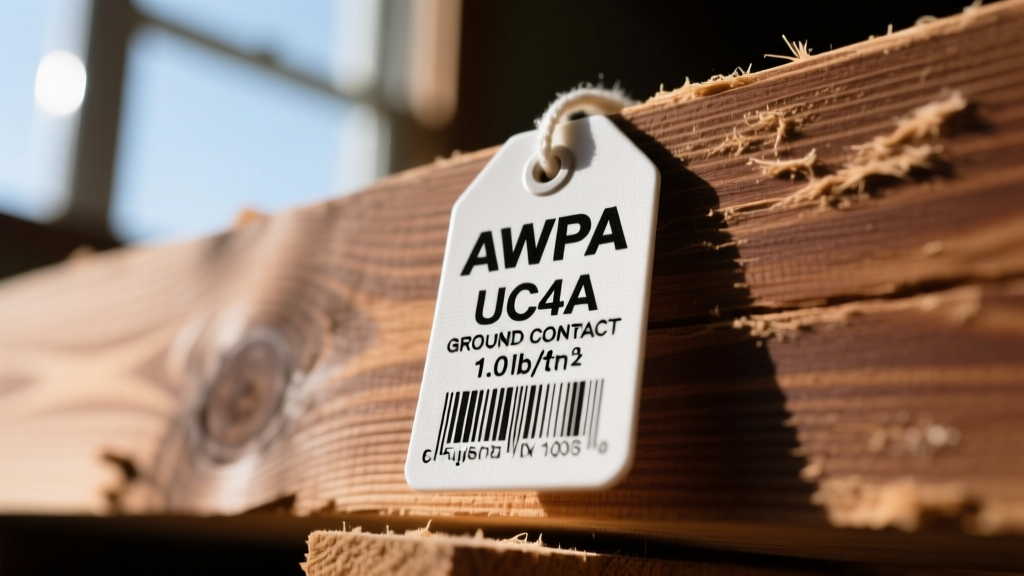
- Always verify the AWPA end tag for specific chemical retention levels before purchasing.
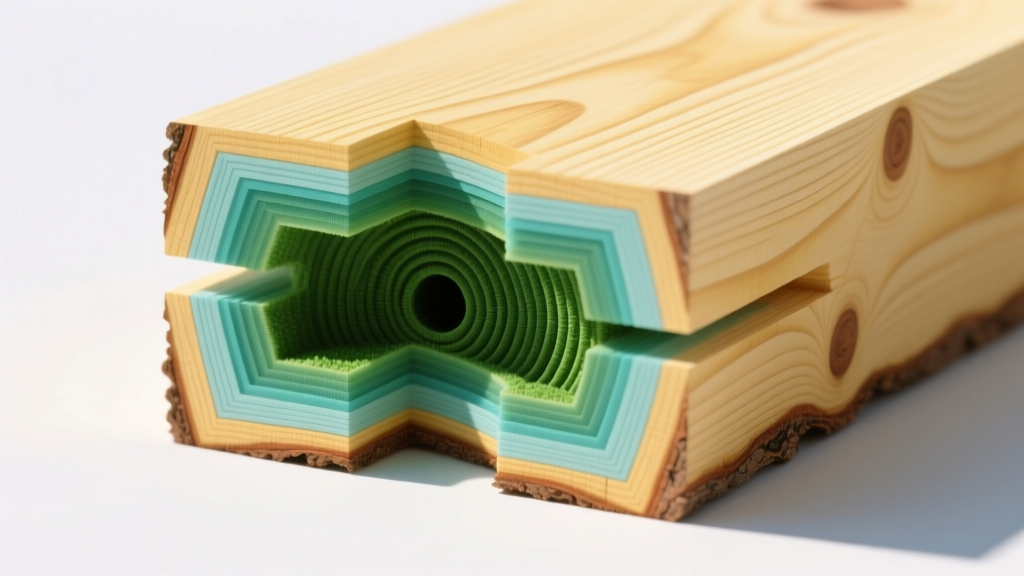
Pressure-Treated Wood: Pressure-treated wood is lumber forced with chemical preservatives under high pressure to protect against rot, fungal decay, and insect damage. This process drives chemicals deep into the wood fibers, extending the material's outdoor lifespan significantly beyond untreated timber.
Chemical Preservative Types
Micronized Copper Azole (MCA)
Micronized Copper Azole (MCA) utilizes finely ground copper particles suspended in water. This creates a highly effective barrier against fungal decay and termites. MCA is the dominant choice for residential decking in 2026 due to its low odor and natural wood appearance.
Alkaline Copper Quaternary (ACQ)
Alkaline Copper Quaternary (ACQ) relies on dissolved copper and a quaternary ammonium compound. It provides robust protection but requires hot-dip galvanized or stainless steel fasteners to prevent corrosion. The United States Environmental Protection Agency monitors ACQ formulations to ensure environmental safety during residential use.
Borate Treatment
Borate-treated wood uses disodium octaborate tetrahydrate to protect against termites and wood-decaying fungi. This treatment is strictly limited to above-ground, interior applications because borates leach out when exposed to liquid water. Builders primarily use borate lumber for sill plates and interior framing in termite-prone regions.
AWPA Use Categories Explained
AWPA Use Category: The American Wood Protection Association (AWPA) Use Category system classifies treated wood based on its exposure to moisture and biological hazards. These standardized labels, ranging from UC1 (dry interior) to UC5 (marine), ensure builders select the correct chemical retention level for specific environments.
Above-Ground (UC2) vs. Ground Contact (UC4A)
Above-ground lumber (UC2) requires a minimum retention level of 0.15 pounds per cubic foot (pcf) for MCA. It is intended for applications like deck boards and fence rails where water does not pool. Ground contact lumber (UC4A) requires a higher retention level of 0.25 pcf to resist severe decay when soil moisture is present.
Heavy Ground Contact (UC4B) and Marine (UC5)
Heavy ground contact (UC4B) demands a retention level of 0.40 pcf for critical structural components like retaining walls. Marine applications (UC5) require up to 0.60 pcf or higher to withstand saltwater organisms. According to the American Wood Protection Association Standards, using UC4A lumber in a UC4B environment will result in premature structural failure.
Practical Decision Framework
Use this comparison matrix to select the correct lumber type for your specific 2026 construction project.
| Project Application | Required AWPA Category | Minimum MCA Retention | Fastener Requirement |
|---|---|---|---|
| Deck Boards & Railings | UC2 (Above-Ground) | 0.15 pcf | Hot-dip galvanized |
| Fence Posts & Deck Joists | UC4A (Ground Contact) | 0.25 pcf | Hot-dip galvanized |
| Retaining Walls & Pilings | UC4B (Heavy Ground) | 0.40 pcf | Stainless steel (304/316) |
| Interior Sill Plates | UC2 (Borate) | 0.25 pcf (Borate) | Standard framing nails |
Frequently Asked Questions
What is the difference between above ground and ground contact pressure treated wood?
Above-ground treated wood contains lower chemical concentrations and is meant for structures kept at least 6 inches above the soil. Ground contact wood contains higher chemical concentrations designed to resist constant moisture and soil-borne fungi without degrading.
Is MCA safer than ACQ pressure treated lumber?
Both Micronized Copper Azole and Alkaline Copper Quaternary are approved for residential use and considered safe once dried. MCA is often preferred by DIYers because it leaves less surface residue and maintains a more natural wood color compared to the greenish tint of ACQ.
How long does pressure-treated wood last in the ground?
Properly rated UC4A ground contact pressure-treated wood can last up to 40 years when installed correctly. Ensuring adequate drainage and avoiding direct soil burial for non-rated components maximizes this lifespan.
Conclusion
Choosing the correct types of pressure-treated wood requires matching the chemical preservative and AWPA Use Category to your specific environmental exposure. Selecting UC2 for elevated structures and UC4A or UC4B for soil contact guarantees durability and safety. Your next step is to inspect the AWPA end tags on your lumber delivery and verify that the retention levels match your local municipal building codes before beginning construction.
Written by
Priya KapoorPriya Kapoor is a real estate market analyst and construction economics researcher with expertise in housing affordability, development feasibility, and infrastructure investment. She holds a Master of Regional Planning from Cornell University and previously worked as a senior analyst at CBRE's Investment Properties group, where she modeled returns for $4B in mixed-use development pipelines. Priya now runs an independent research practice advising developers, municipalities, and REITs on construction cost forecasting and market timing. She publishes the quarterly "BuildMat Market Pulse" report tracking material price indices across 12 commodity categories. Based in Austin, TX, Priya serves on the board of Habitat for Humanity Austin and is a marathon runner.
More from Priya Kapoor
View all
Construction Cost
Cost to Build a 1600 Sq Ft Home in 2026: Full Breakdown
Accurate 2026 cost to build a 1600 sq ft home—material, labor, and regional pricing breakdowns included. Plan your budget with real-time estimates.
Aug 11, 2026

Stone & Masonry
Stone Veneer Suppliers Lindenhurst: 2026 Cost Analysis
Analyze 2026 stone veneer costs in Lindenhurst, NY. Compare local supplier pricing, delivery fees, and Suffolk County installation labor rates.
Aug 4, 2026

Construction Cost
Foundation Building Materials Lake Worth Beach: Coastal Repair Guide
Discover the best foundation building materials Lake Worth Beach contractors use for coastal repairs, including helical piers, marine foam, and FBC codes.
Aug 4, 2026