How to Clean Wood Floors Without Damaging the Finish
Learn how to clean wood floors based on your specific finish type. Expert protocols for polyurethane, hardwax oil, and penetrating sealers.
Post-Installation Handover: The First 30 Days
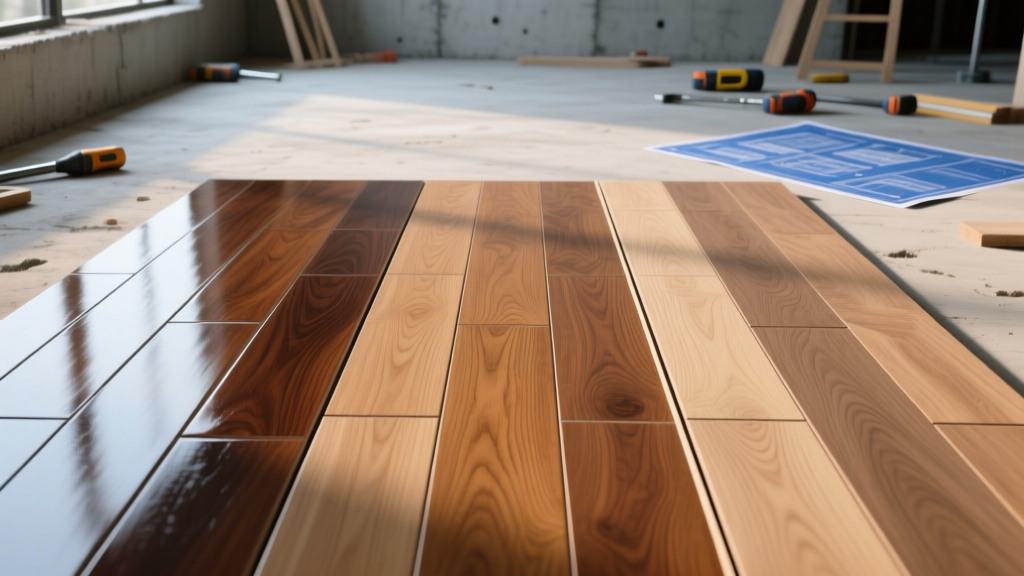
The installation of a hardwood floor is not complete when the last board is fastened; it is complete when the client understands the post-installation maintenance protocol. The most critical period for any newly installed or site-finished wood floor is the first 30 days. During this window, the finish undergoes cross-linking and off-gassing. Waterborne polyurethanes typically cure to 90% hardness within 7 days, while oil-based polyurethanes and penetrating hardwax oils require up to 30 days for full solvent evaporation and polymerization.
Applying liquid cleaners before the finish has fully cured traps residual solvents beneath the surface tension, resulting in a permanent milky haze or compromised adhesion. According to the National Wood Flooring Association (NWFA), installers must instruct clients to rely exclusively on dry dust-mopping using a 300 GSM (grams per square meter) microfiber pad during the initial cure period. No liquid, damp, or spray cleaners should be introduced to the surface until day 31.
Never permit the use of steam mops on any wood floor, regardless of the finish warranty. Steam forces vaporized moisture into the micro-pores and seams of the wood, bypassing the protective topcoat. This causes localized moisture content (MC) spikes that lead to irreversible cupping, edge-swelling, and delamination of the finish. The USDA Forest Products Laboratory confirms that rapid moisture fluctuations are the primary catalyst for dimensional instability in hardwood.
The Chemistry of Wood Finishes and Cleaners
To understand how to clean wood floors properly, one must understand the chemical compatibility between the cleaner and the finish. Floor finishes generally fall into two categories: surface seals (polyurethane, aluminum oxide) and penetrating seals (hardwax oils, natural oils). Each requires a specific pH environment to prevent degradation.
Surface seals require a strictly neutral pH (7.0 to 8.0). Alkaline cleaners (pH > 9.0) will micro-etch the polyurethane, leaving a dull, chalky appearance over time. Conversely, acidic cleaners like the popular DIY vinegar-and-water solution (acetic acid, pH ~2.5) chemically degrade the topcoat's cross-links, stripping the sheen. Penetrating oils, however, rely on a process called saponification. They require specialized soaps with a slightly higher pH (8.5 to 9.5) that react with the oils to clean the surface while depositing a microscopic lipid layer that replenishes the wood's pores.
Protocol 1: Surface-Sealed Floors (Polyurethane)
For floors finished with waterborne or oil-based polyurethane, the goal is to remove particulate and organic matter without leaving a residue. Traditional oil soaps (e.g., Murphy's Oil Soap) are contraindicated for modern polyurethane finishes; they leave a lipid film that prevents future screen-and-recoat adhesion and attracts dirt.
Application Procedure and Tool Selection
- Cleaner: Use a dedicated, residue-free neutral cleaner such as Bona Hardwood Floor Cleaner or Basic Coatings Squeaky Wood Floor Cleaner.
- Application: Never pour cleaner directly onto the floor. Mist the cleaner onto a 400 GSM damp-mop pad or spray lightly onto the floor (maximum 1 mist per 2 square feet).
- Moisture Control: Liquid should evaporate from the surface within 60 seconds. If pooling occurs, the application rate is too high.
- Tooling: Use a flat-head microfiber mop. Avoid traditional string mops, which have an uncontrolled drip rate exceeding 5ml/s, forcing moisture into the end-grain and tongue-and-groove seams.
Protocol 2: Penetrating and Hardwax Oil Floors
Hardwax oils (such as Rubio Monocoat and Osmo Polyx-Oil) bond molecularly with the cellulose in the top layer of the wood. Because there is no surface plastic layer, the wood remains micro-porous. Cleaning these floors requires replenishing the oil content while lifting dirt.
According to Rubio Monocoat Technical Guidelines, routine cleaning requires their proprietary Soap, which contains natural plant oils. The dilution ratio is critical: 1 capful of soap per 1 gallon of lukewarm water for damp mopping. Over-concentrating the soap will result in a sticky surface that traps foot traffic grime, while under-concentrating will starve the wood of its necessary lipid replenishment, leading to dry, brittle fibers.
| Finish Type | Recommended Cleaner | pH Target | Mop GSM | Re-coat Interval |
|---|---|---|---|---|
| Waterborne Polyurethane | Bona Hardwood Cleaner | 7.0 - 8.0 | 400+ | 3-5 Years |
| Hardwax Oil (e.g., Rubio) | Proprietary Plant Soap | 8.5 - 9.5 | 500+ | 1-2 Years |
| Penetrating Oil Sealer | Osmo Wash and Care | 8.0 - 9.0 | 500+ | Annual |
| Aluminum Oxide (Factory) | Manufacturer Specific | 7.0 - 7.5 | 400+ | 10+ Years |
Troubleshooting Post-Installation Cleaning Failures
Installers frequently encounter floors that look compromised immediately after handover. These issues are rarely defects in the wood or the finish application, but rather failures in the post-installation cleaning procedure.
Drywall Dust Etching
During new construction or remodels, drywall dust inevitably settles on newly installed floors. Drywall dust (calcium sulfate and calcium carbonate) is highly alkaline, with a pH between 10 and 12. If a cleaner damp-mops a floor covered in drywall dust, they create a mild lye solution. This alkaline slurry chemically etches polyurethane finishes, leaving permanent white micro-scratches and a cloudy haze. Procedure: Installers must HEPA-vacuum the floor thoroughly to remove all particulate matter before any liquid cleaner is introduced. Never wet-mop drywall dust.
Adhesive and Scuff Removal
When installing engineered hardwood using a urethane-based adhesive, glue residue often cures on the surface of the boards. Attempting to scrub this with water or neutral cleaner will fail. Furthermore, using harsh solvents like acetone or mineral spirits can strip the finish or soften the urethane adhesive bond beneath the boards. The correct protocol is to apply a dedicated urethane adhesive remover (such as Bona Adhesive Remover) to a clean microfiber cloth, allowing it to sit on the cured glue for 3 to 5 minutes to break the chemical bond, followed by gentle mechanical agitation with a plastic scraper.
Streaking and Haze on Site-Finished Floors
If a newly site-finished floor exhibits streaking or a milky haze after the 30-day cure period, it is almost always the result of using an oil-based soap on a surface seal, or using a mop that was too wet, forcing water into the micro-fractures of the finish. To rectify oil-soap haze, the floor must be stripped using a heavy-duty residue remover (e.g., Bona Heavy Duty Remover) applied with a scrubbing pad, followed by a thorough neutral rinse and a complete dry-down before any new maintenance coats are considered.