The Ultimate Cleaning Playbook for Light Wood Floors: Preventing Yellowing and Stains
Master the maintenance of light wood floors with our expert cleaning playbook. Learn how to prevent UV yellowing, remove stains, and protect matte finishes.
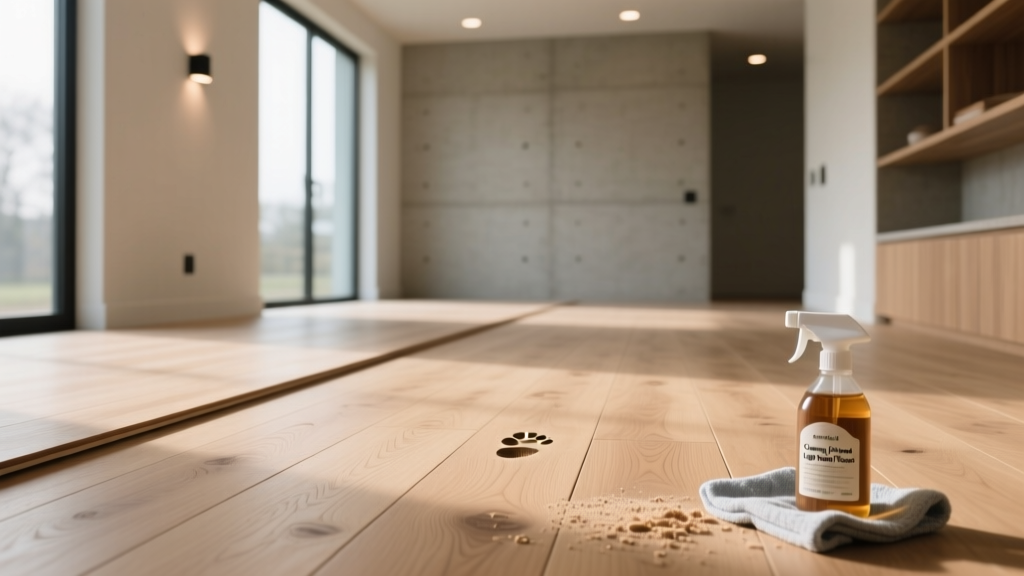
Light wood floors—encompassing species like white oak, hard maple, ash, and bleached finishes—create an airy, expansive aesthetic that dominates modern architectural design. However, their pale complexion makes them highly unforgiving. Dust, pet hair, micro-scratches, and water spots are immediately visible. More critically, improper maintenance routines can lead to irreversible ambering, finish degradation, and permanent tannin staining. This playbook provides a precise, chemistry-level approach to maintaining light-toned hardwood, moving beyond generic advice to deliver actionable protocols for homeowners and facility managers.
The most common failure mode for light wood floors is not dirt, but chemical and UV-induced yellowing. If your installer used an oil-based polyurethane or a single-component waterborne finish with poor UV stabilizers, the floor will naturally amber over time. To preserve a blonde, ash, or raw-wood look, maintenance must strictly avoid oil-soap cleaners (like Murphy's Oil Soap), which leave a residue that darkens and traps dirt, and must rely on UV-inhibiting window treatments to block wavelengths below 400nm.
The Daily & Weekly Maintenance Matrix
Light floors require a high-frequency, low-impact cleaning schedule. Abrasive dust acts like sandpaper underfoot, creating micro-scratches that scatter light and make matte finishes look dull and gray. Use the following matrix to establish your baseline routine.
| Frequency | Action | Required Tool & Specs | Why It Matters for Light Wood |
|---|---|---|---|
| Daily | Dry Dusting | Microfiber pad (300+ GSM) | Prevents abrasive silica dust from grinding into the finish, which causes dulling. |
| Weekly | Damp Mopping | Flat mop + pH-neutral cleaner | Removes oily foot traffic residues without stripping the polyurethane topcoat. |
| Monthly | Deep Inspection | LED flashlight (held at 45°) | Identifies early-stage finish wear in high-traffic zones before bare wood is exposed. |
Chemical Compatibility: What to Use and What to Ban
The chemical composition of your cleaning solution dictates the lifespan of your floor's sheen. Light wood floors often utilize low-sheen (matte or satin) finishes to hide imperfections, but these finishes are highly susceptible to chemical etching.
Approved Cleaners (pH 7.0 - 8.5)
- Bona Hardwood Floor Cleaner: A staple in the industry with a pH of roughly 8.5. It evaporates quickly, preventing moisture from seeping into the seams of engineered light wood planks.
- Basic Coatings Squeaky: Excellent for heavily soiled commercial or residential areas. It leaves zero residue, which is critical for light floors where streaking is highly visible.
- Osmo Wash and Care: Specifically formulated for penetrating hardwax oil finishes (like Osmo Polyx-Oil). If your light floor is oiled rather than polyurethane-coated, standard cleaners will strip the oil; you must use a replenishing cleaner.
The Banned List (Do Not Use)
- Vinegar and Water: A pervasive DIY myth. Vinegar is acetic acid (pH ~2.5). Over time, it etches and degrades aluminum oxide and polyurethane topcoats, leaving light floors looking perpetually cloudy.
- Steam Mops: The heat and pressure force vapor directly into the microscopic gaps between floorboards. According to the National Wood Flooring Association (NWFA), steam mops are a primary cause of cupping and delamination in engineered hardwood.
- Ammonia-based Glass Cleaners: These will aggressively strip the finish and cause immediate, irreversible discoloration on raw or lightly sealed light woods.
Targeted Stain Removal Protocols
When spills occur on light woods like white oak, the high tannin content in the wood reacts with moisture and metals to create dark, stubborn stains. Here is how to address specific failure modes without resorting to a full sanding.
Protocol 1: Black Water Stains (Tannin Reaction)
The Cause: Water sits on the floor, penetrates the finish, and reacts with the natural tannins in white oak or ash, turning the wood black or dark gray.
The Fix: You need Oxalic Acid. Purchase a wood brightener containing oxalic acid (such as Dekswood or generic oxalic acid crystals). Dissolve the crystals in warm water according to the manufacturer's ratio (typically 2-3 tablespoons per quart). Apply only to the stained area with a sponge. The acid reverses the tannin reaction, bleaching the dark spot back to the wood's natural light tone. Neutralize with a baking soda/water mix afterward, then reapply a localized topcoat.
Protocol 2: Pet Urine Stains
The Cause: Uric acid crystals penetrate the wood grain and oxidize, creating a dark, foul-smelling stain that standard enzymatic cleaners cannot reach once they pass the finish layer.
The Fix: If the urine has breached the finish, surface cleaners will fail. You must lightly screen (abrade) the affected area with a 120-grit sanding screen, apply a specialized pet-stain oxidizer, and immediately recoat with a two-component waterborne polyurethane to seal the odor and prevent future penetration.
Environmental Controls: UV and Humidity Data
Light wood floors are highly reactive to their environment. Maintaining the structural integrity and color of the wood requires strict climate control, a factor often overlooked in standard cleaning guides.
- Relative Humidity (RH): Maintain indoor RH between 35% and 55%. The USDA Forest Products Laboratory notes that wood moisture content fluctuates with ambient humidity. Dropping below 30% RH in winter will cause light wood planks to shrink, opening gaps that trap dark dirt. Spiking above 65% will cause edge-cupping.
- UV Mitigation: Ultraviolet light alters the lignin in wood. While woods like Brazilian Cherry darken rapidly, light woods like maple and ash tend to yellow or amber. Install window films that block a minimum of 99% of UV rays (look for films with a UV rejection rating of 400nm or higher) to preserve the raw, blonde aesthetic of the floor.
Professional Recoating: 2026 Cost and Timeline Matrix
Even with flawless maintenance, the physical wear layer of a light wood floor will eventually degrade. High-traffic areas (hallways, kitchen pivots) will show a loss of sheen, making the light wood look dirty even when clean. When the finish fails, you have two primary professional options.
| Service Type | 2026 Average Cost (per sq. ft.) | Downtime | When to Use |
|---|---|---|---|
| Screen and Recoat | $1.80 - $2.75 | 24-48 Hours | Finish is dull but wood is not exposed. Adds a new layer of protection. |
| Full Sand & Refinish | $5.50 - $8.50 | 5-7 Days | Deep scratches, gray exposed wood, or severe ambering that needs bleaching. |
Critical Specification for Light Floors: When recoating, mandate the use of a two-component waterborne polyurethane (such as Bona Traffic HD or Loba 2K). These finishes cure via a chemical cross-linking process, offering commercial-grade durability and, most importantly, they remain completely clear. Single-component waterborne or oil-based polys will introduce an amber tint that ruins the light wood aesthetic.
Frequently Asked Questions
Can I use a robotic vacuum on light wood floors?
Yes, but you must disable the beater bar (rotating brush) and ensure the robot uses rubberized wheels. Hard plastic wheels and stiff bristles will leave micro-scratches that appear as gray haze on light, matte-finished woods.
Why do my light floors look cloudy after mopping?
Cloudiness is usually caused by residue buildup from using too much cleaner, or from using a soap-based product. Switch to a no-residue, pH-neutral cleaner like Basic Coatings Squeaky, and ensure your microfiber mop is only damp, not wet, to prevent streaking.
How do I protect light floors from heavy furniture?
Use heavy-duty, non-staining felt pads (specifically those with a dense wool blend, not cheap synthetic foams). For rolling chairs, replace hard casters with soft, translucent polyurethane wheels designed specifically for hardwood to prevent localized finish burnishing.